
Buffalo Leather Work Gloves: DIY Repair
Tough as nails, can last a long time...with a little TLC :-)
Those who know us know that we like things that:
- work,
- last for a long time, and
- if/when they “break,” we can fix them ourselves (if we can).
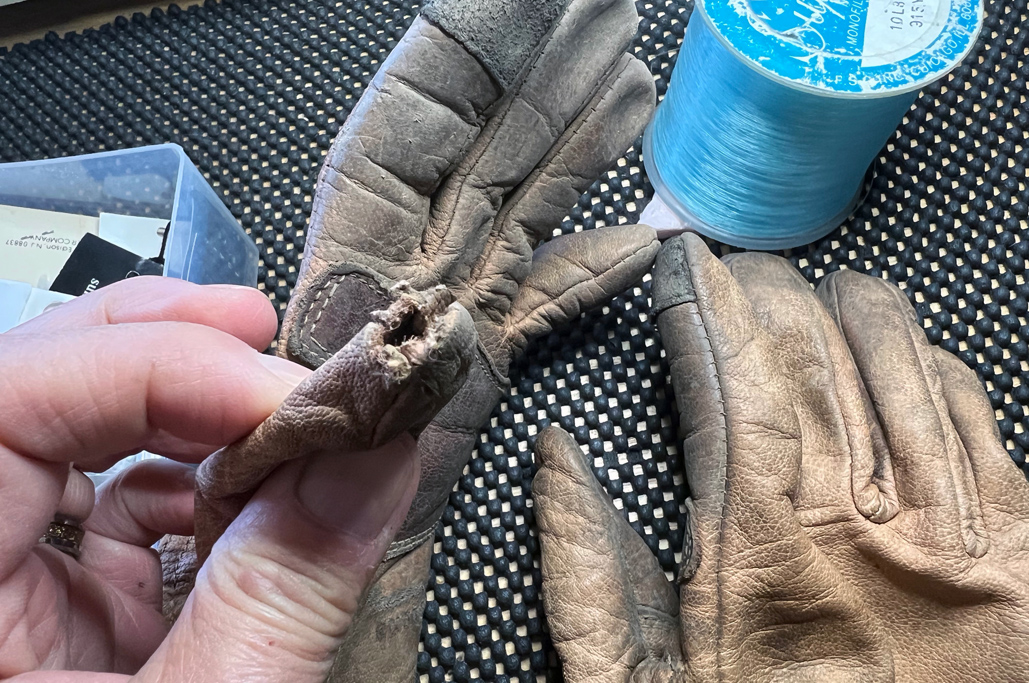
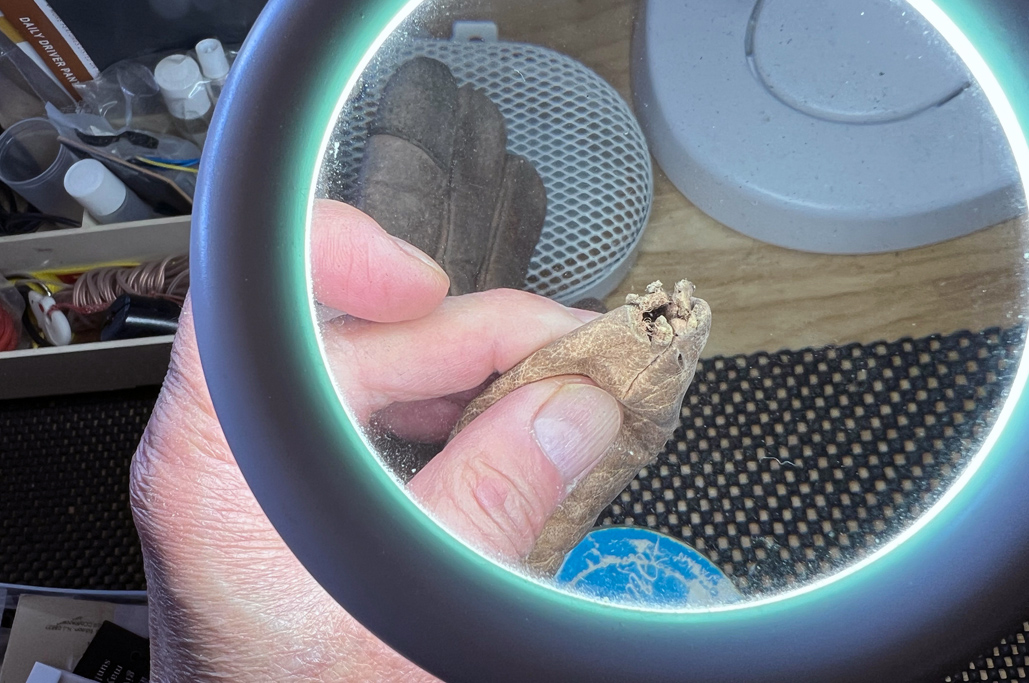
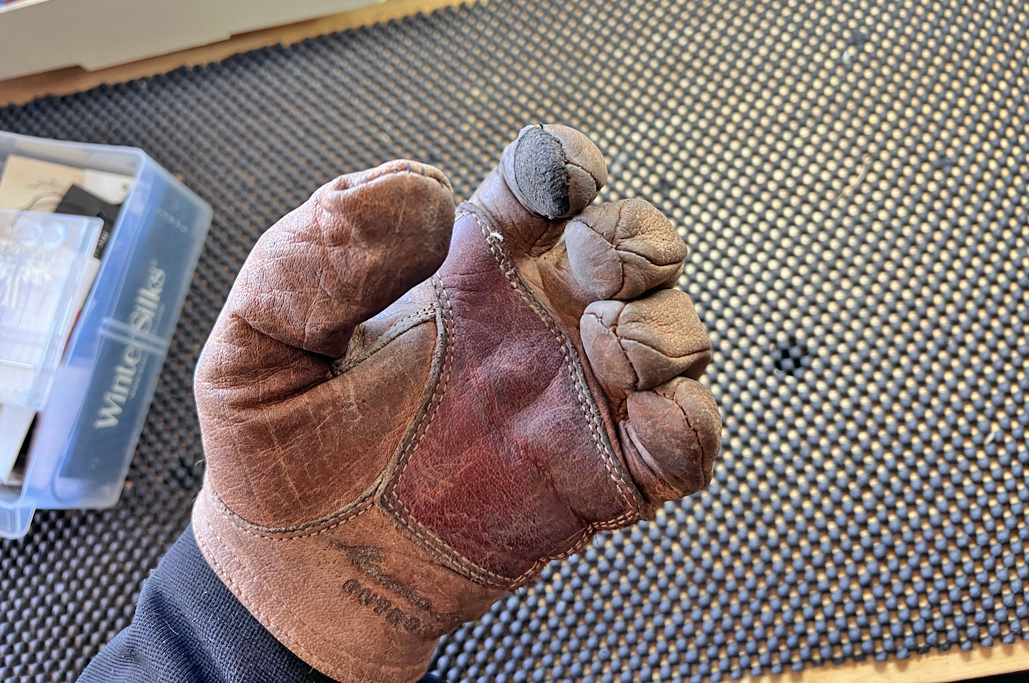
Recently, while moving some paving stones, we noticed a tear at the tip of the left thumb of our favorite pair of work gloves! Whaaaaat? These gloves took over a YEAR to break in, and they now mold to our hands perfectly. We’ are not going through all that again because of a (we decided) itty-bitty tear on the left thumb!. LOL!!!

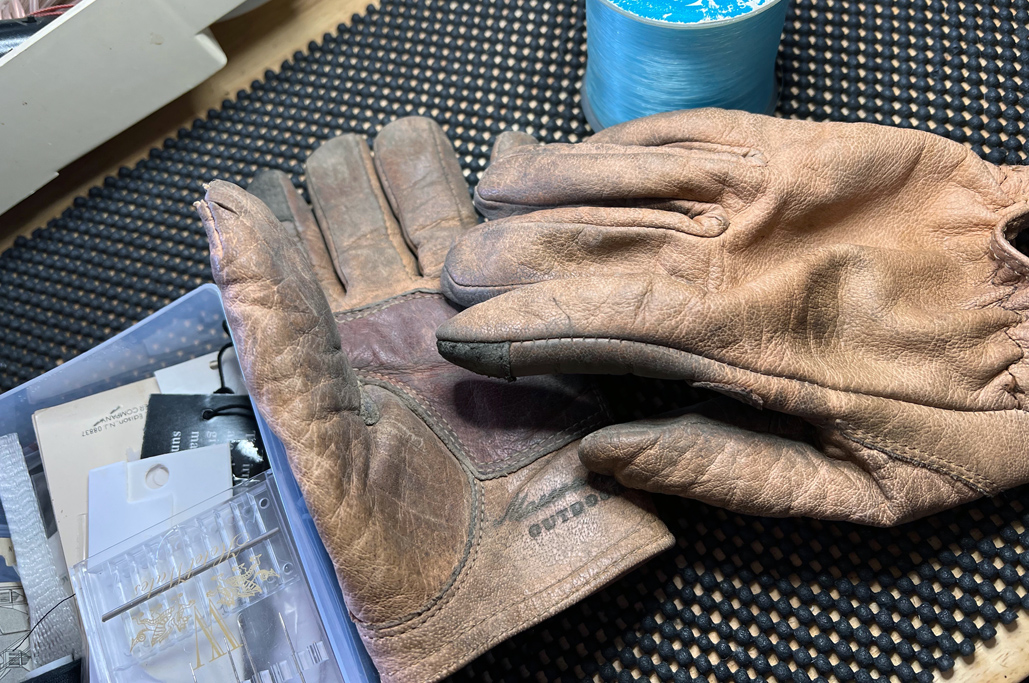
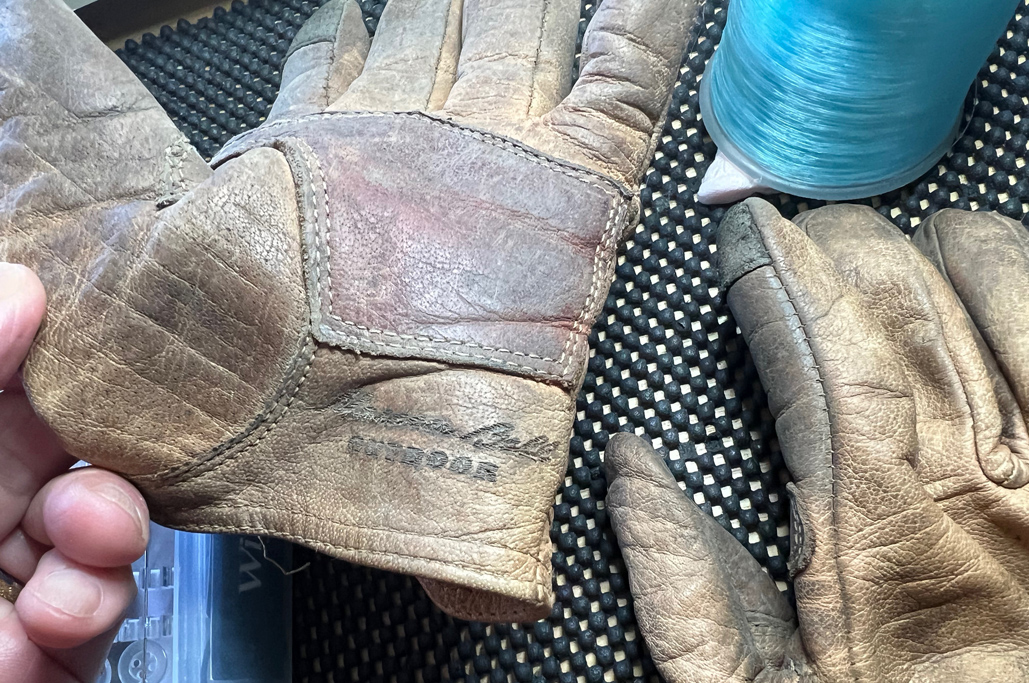
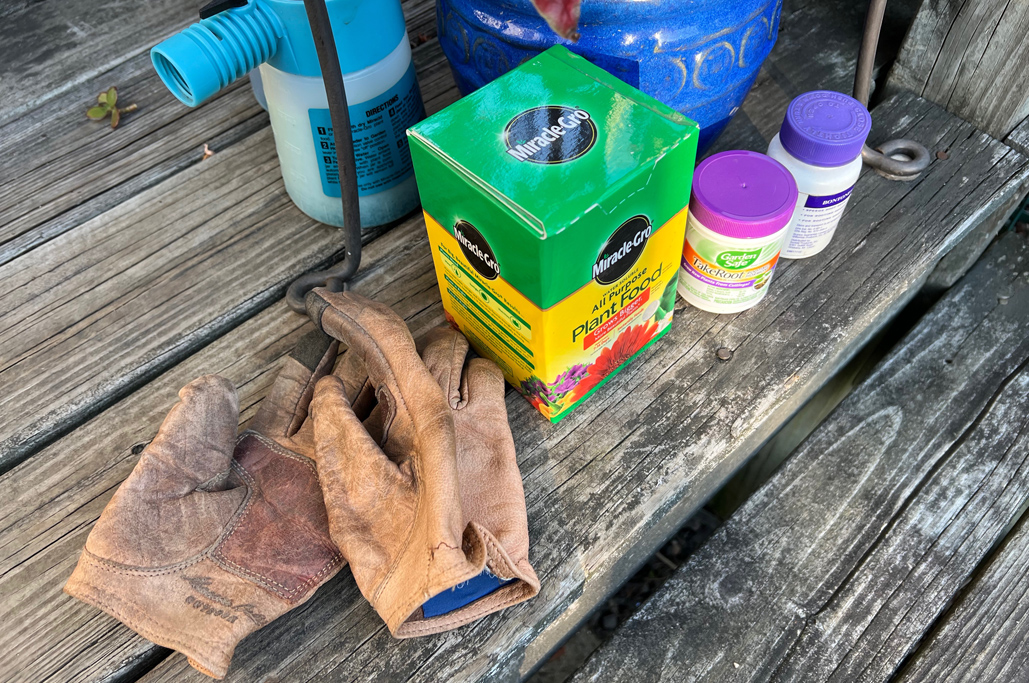
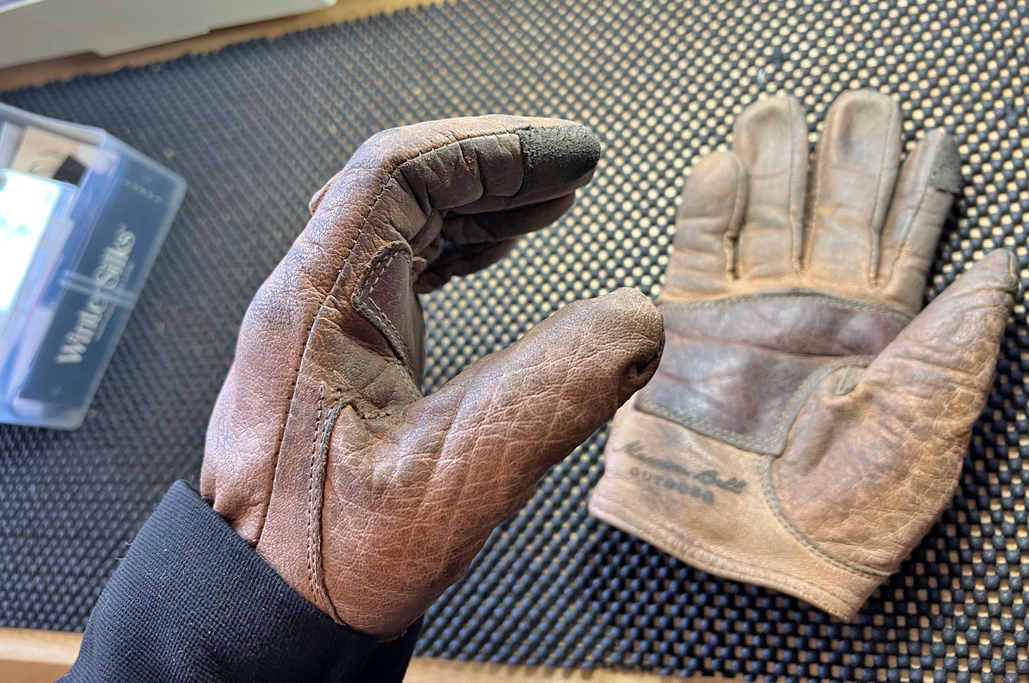
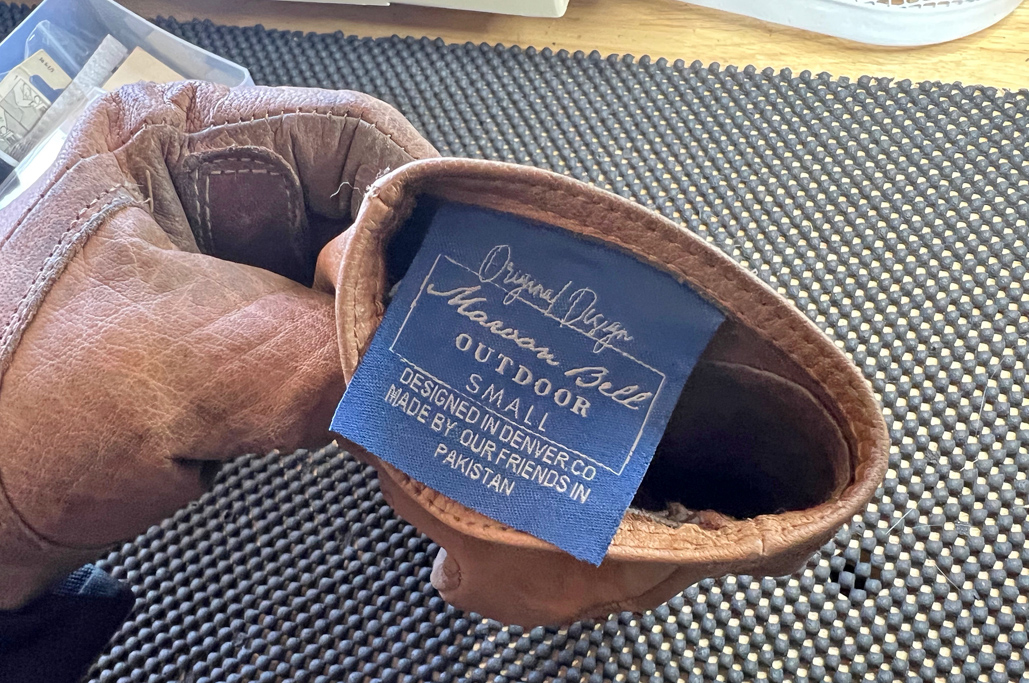
We have had that pair of Maroon Bell Buffalo Leather work gloves for over six years. We use them for all of our outdoor work (car maintenance, gardening, etc). The gloves are incredibly tough, and other than being dirty, they have hardly picked up a scratch. So we were a little taken aback when we noticed the wear!

Time for a DIY repair!!!
Buffalo Leather
We are no strangers to “gardening gloves.” The problem with some of them, though, is that they don’t last for more than a season or two. And while they are typically waterproof, they otherwise are not that protective of the hand.

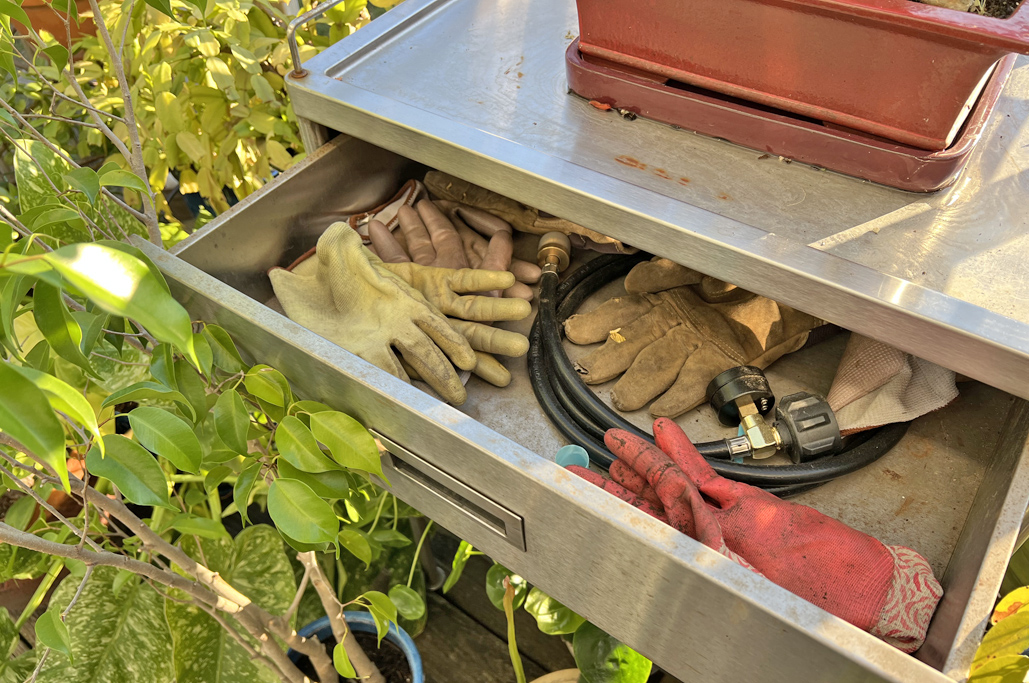
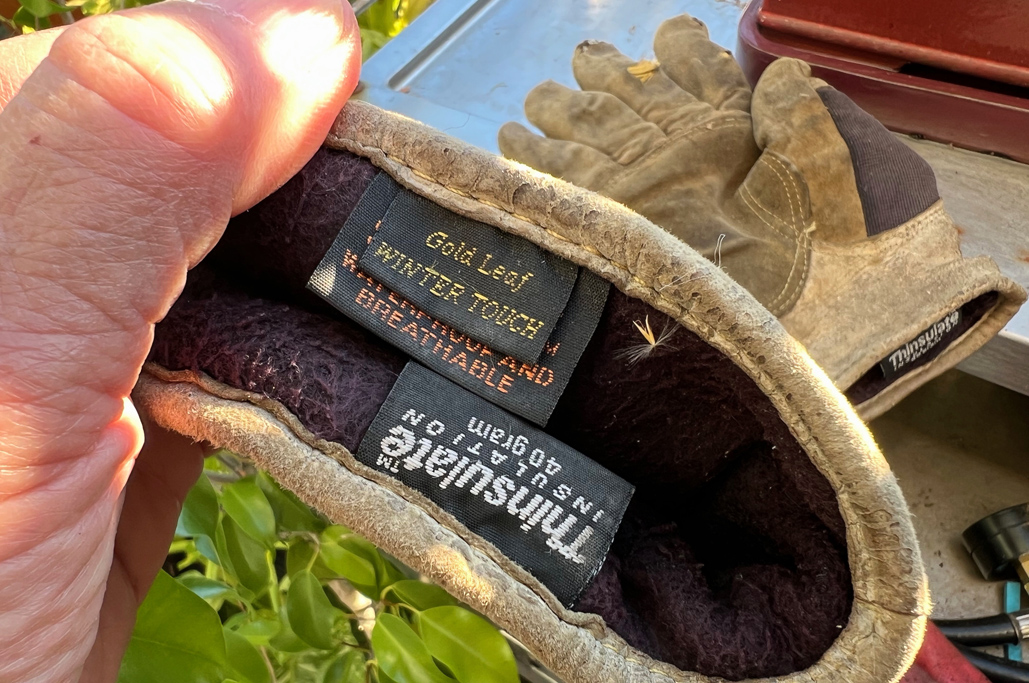
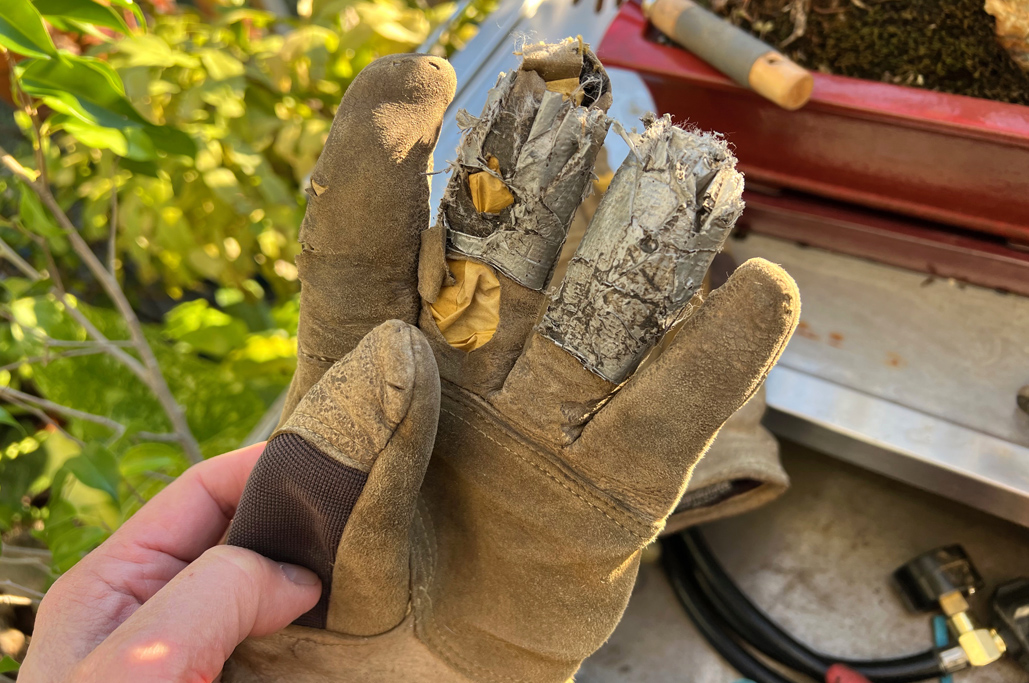
Before the Maroon Bell gloves got the “top spot” in gardening rotation, our go-to pair was the Gold Leaf WinterTouch. They were Thinsulate-insulated, waterproof, and very comfortable. However, they only lasted a few seasons. We liked them, but we wanted to find something more durable.

We tested a pair of driving gloves from Maroon Bell and really liked them. So when they started making “work gloves,” it didn’t take a lot of convincing for us to give them a try.
Full-grain water buffalo leather gloves are tough because water buffalo hide has an epidermal layer that is three times thicker than cow hide. Additionally, the tanning process does not stretch the hide, which results in a thicker, more resistant-to-tearing product.
Buffalo leather gloves are tough as nails and really, really durable, meaning you will wear them for a long long, loooooong time before they wear out (you’ll probably wear out before they do).

The Repair
We assumed that industrial sewing machines were used in sewing together the leather gloves, but could we actually sew buffalo leather by hand? Fortunately, the answer is “Yes 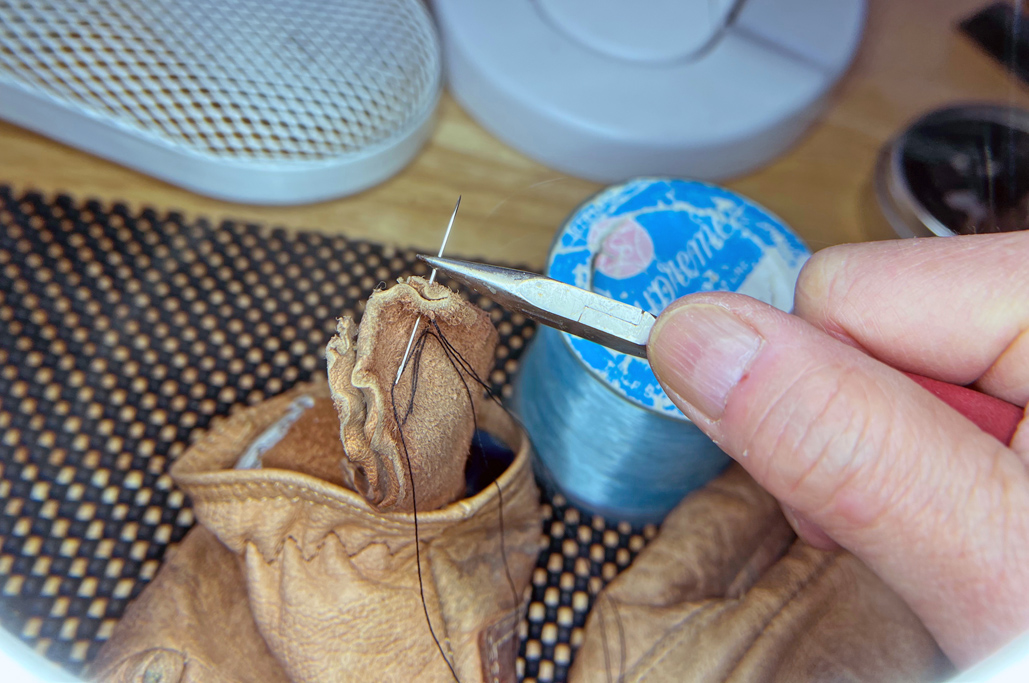 “
“
For the repair, we used a sharp, sturdy needle and some strong thread. We had considered using fishing lines, but decided against it as it was probably overkill.

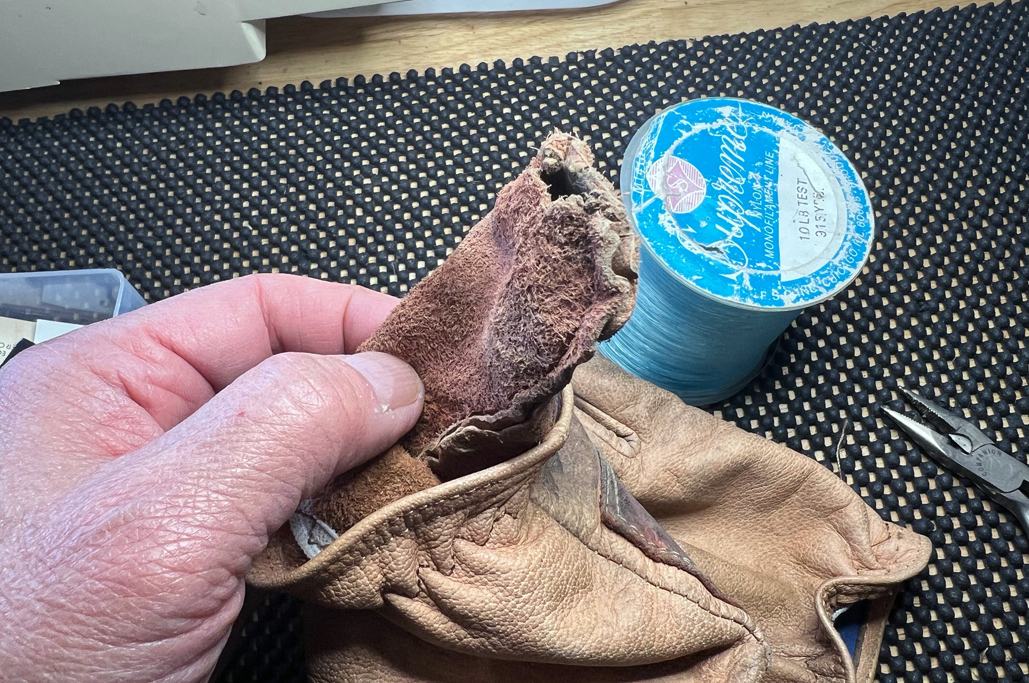
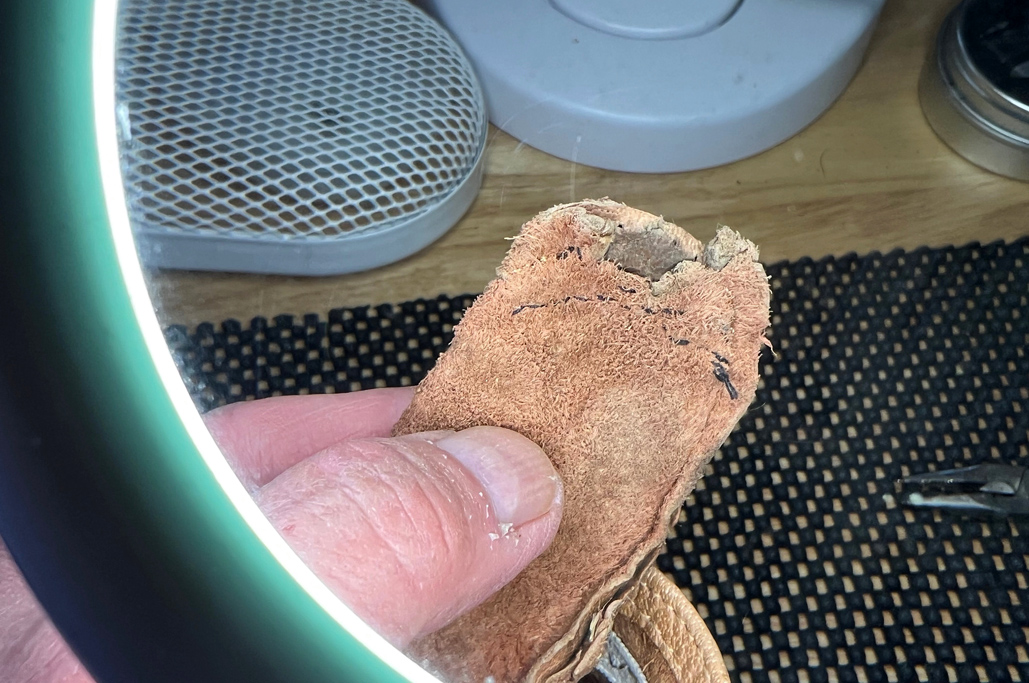
Once we got close up and personal with the…incident location, it was clear that the tear wasn’t just from the thread giving way: the leather had ripped. The seams are stitched on the inside, meaning that in order to see to the repair, the thumb had to be turned inside out. To fix the tear, we would have to stitch things up using the “good” leather. Fortunately, the thumb was a bit long, so losing a little bit didn’t affect the fit at all.

Getting the needle through the leather was difficult (bordering on “wicked hard” because this is Boston), but possible. The task was made easier with the aid of a pair of pliers. We were even able to make a bit of a curve with our rather amateurish hand-stitching. There was some thought as to whether we should trim off the excess, but we thought we should just leave well enough alone. LOL !!!

Final Thoughts
The repair came out much better than we thought it would. Our main concern was whether we would be able to get the needle through the tough, thick leather. Another concern was that we wouldn’t be able to get the shape of the tip right. Turns out both were non-issues.

These gloves will outlast our 25-year-old, 220K-mile Boxster…which we are actually thinking of finally retiring!!!

NOTE: As of this writing, we are sad to announce that Maroon Bell is no longer an operating concern. We will miss them, but we will remember them every time we use their products, which we think will be a LONG, LONG TIME!!!
Links to Items Mentioned


Leave a comment