
Brass Microscope: Made for Perry Mason Company
3X magnification!!!
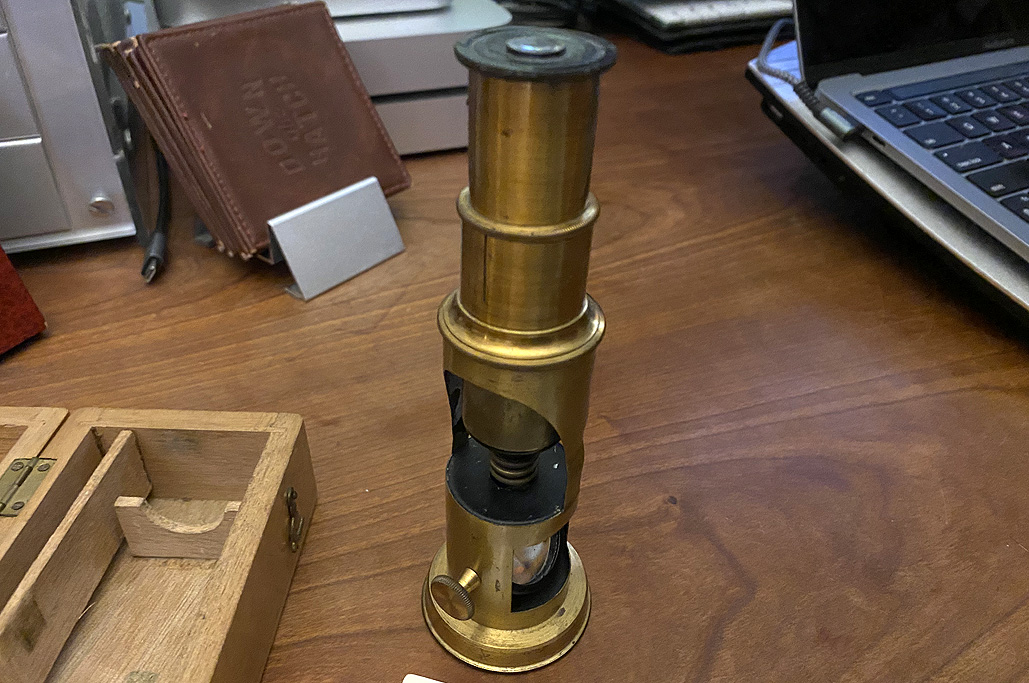
The RainyDayInterns found a gem of a microscope for sale by an LLL (lovely local lady) who happens to be a microscope collector.
The LLL is moving at the end of the month and needs to pare down her collection. She agreed to part with this one for a song…because we were the “RainyDay guys” 🙂
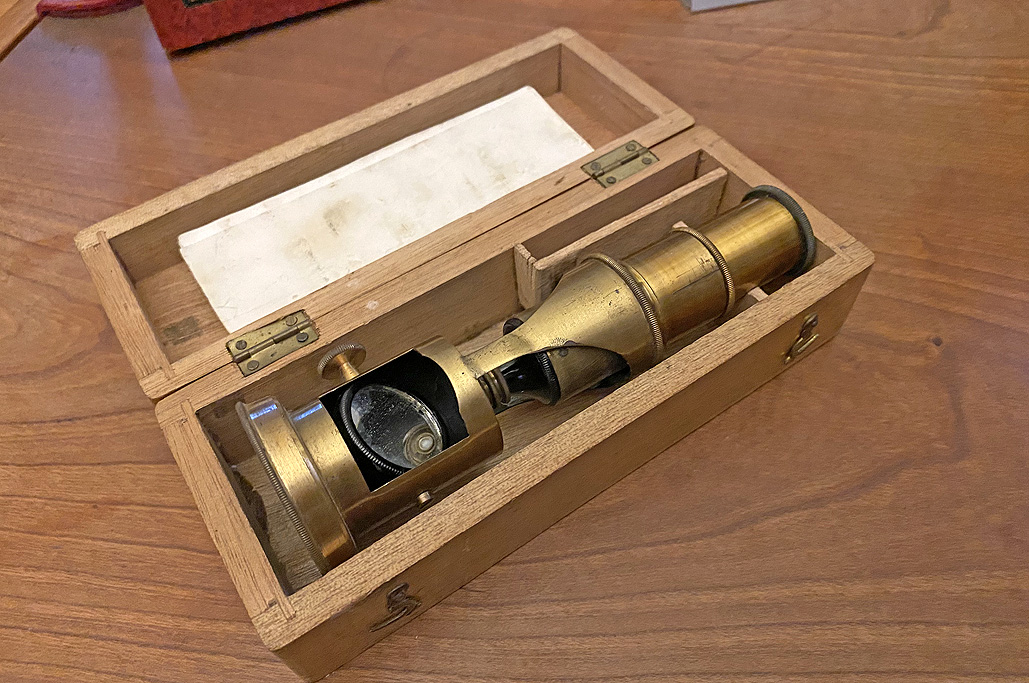
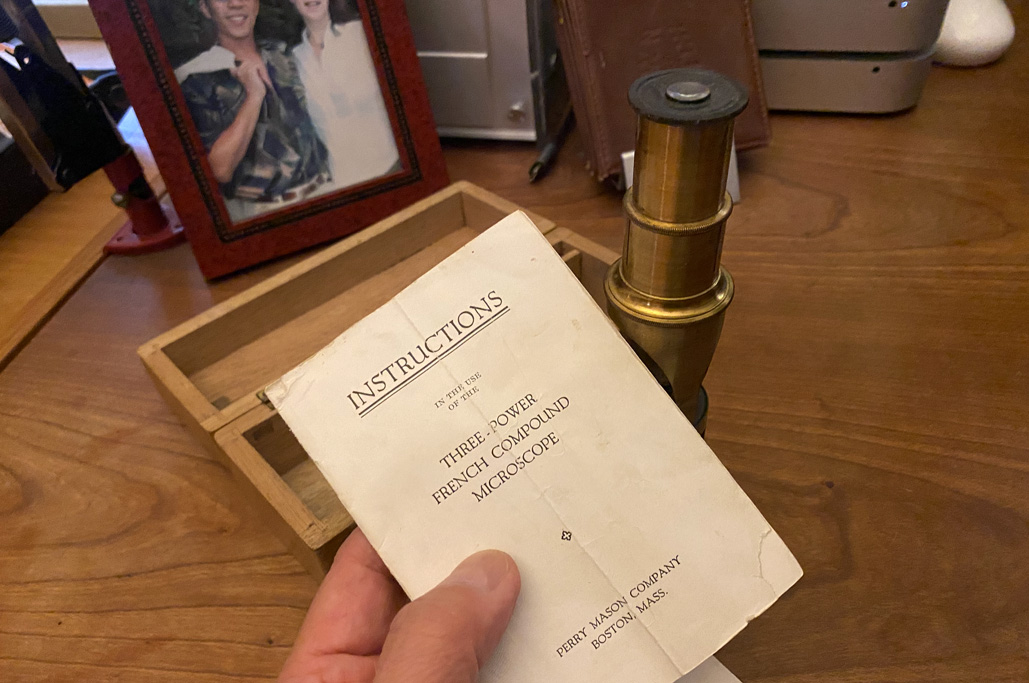
The Perry Mason Company of Boston distributed antique brass compound microscopes, likely made in France, as promotional items or premiums for their popular magazine, The Youth’s Companion, in the late 19th/early 20th century, featuring simple three-power magnification and often coming in wooden cases with original slides and instructions, making them collectible scientific instruments from that era.
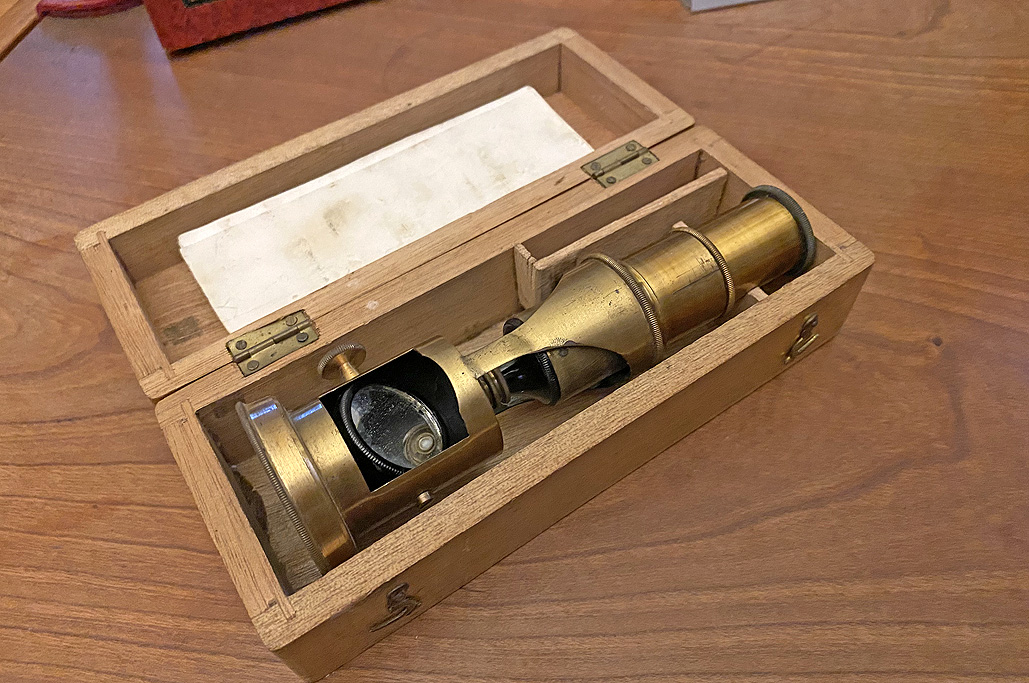
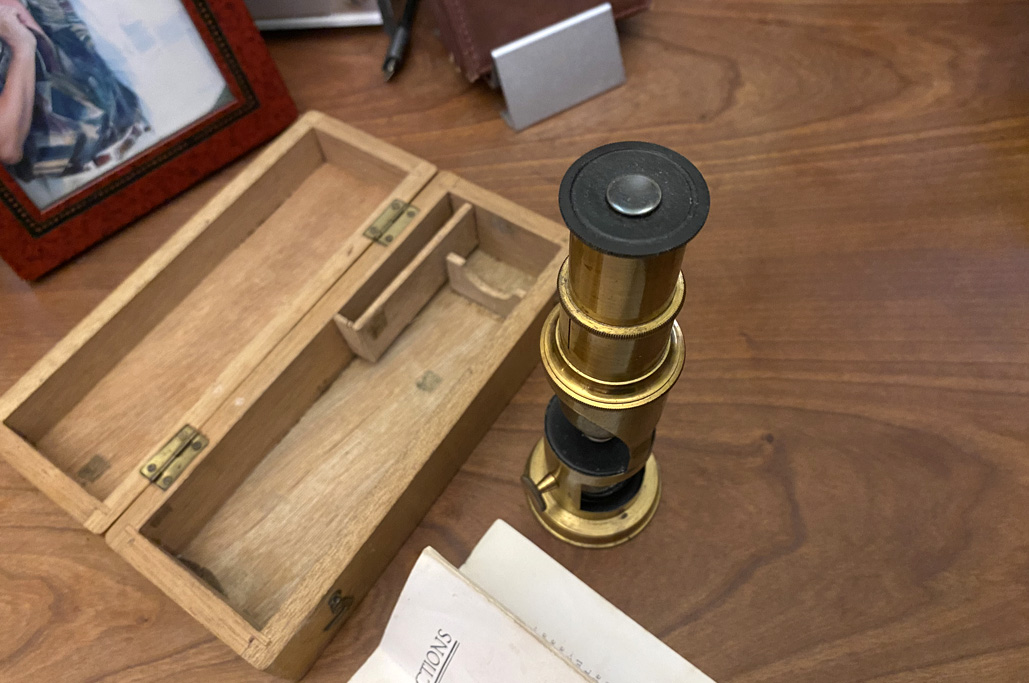
The brass microscope we got is in relatively good condition and came in its original wooden box. It even came with the original instructions!!! We have seen reproductions of ones similar to the Perry Mason unit available, but this one is the real deal.
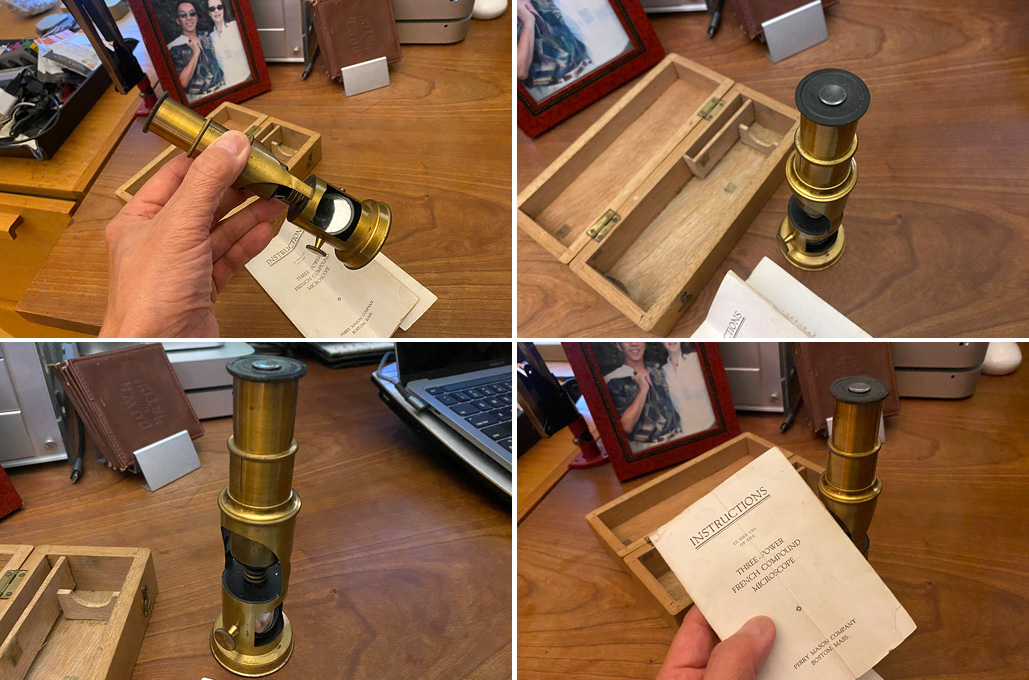
Does it work?
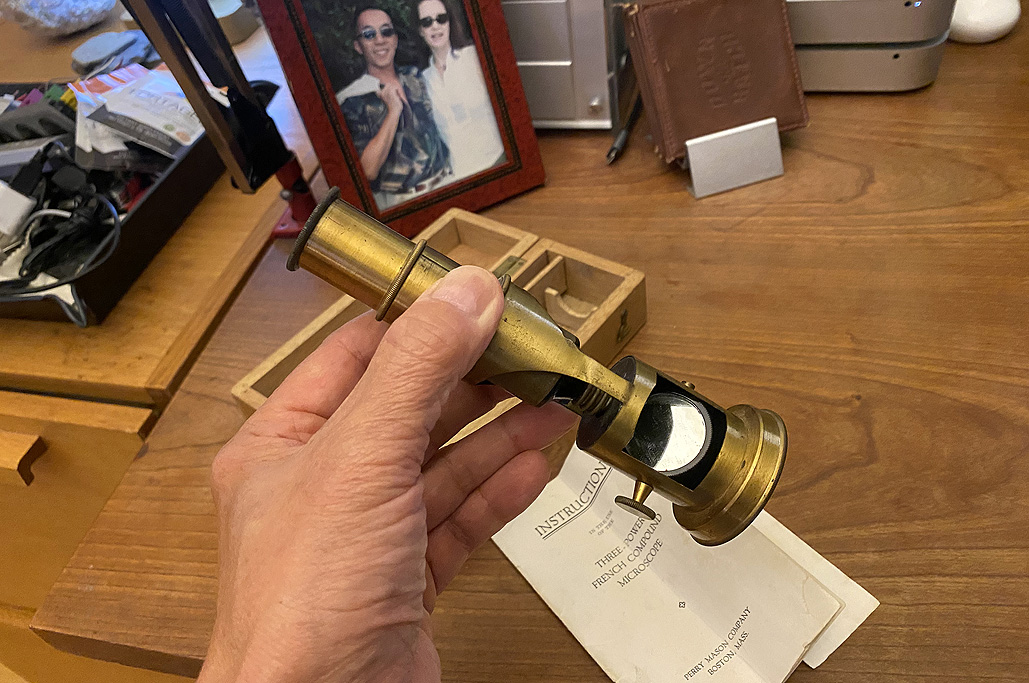
The optics look clean, and the focusing tube slides well. The silver of the mirror has a little bit of tarnish around the edges, but the main section is very reflective. Even though this optical instrument dates back to the early 20th century, we were eager to see if it still works.
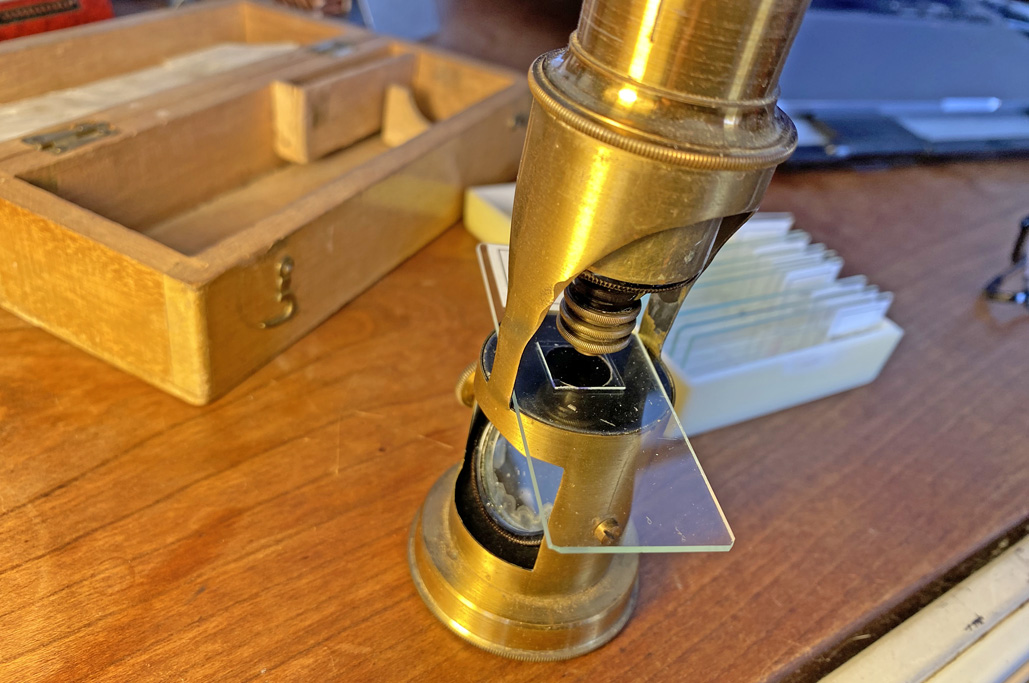
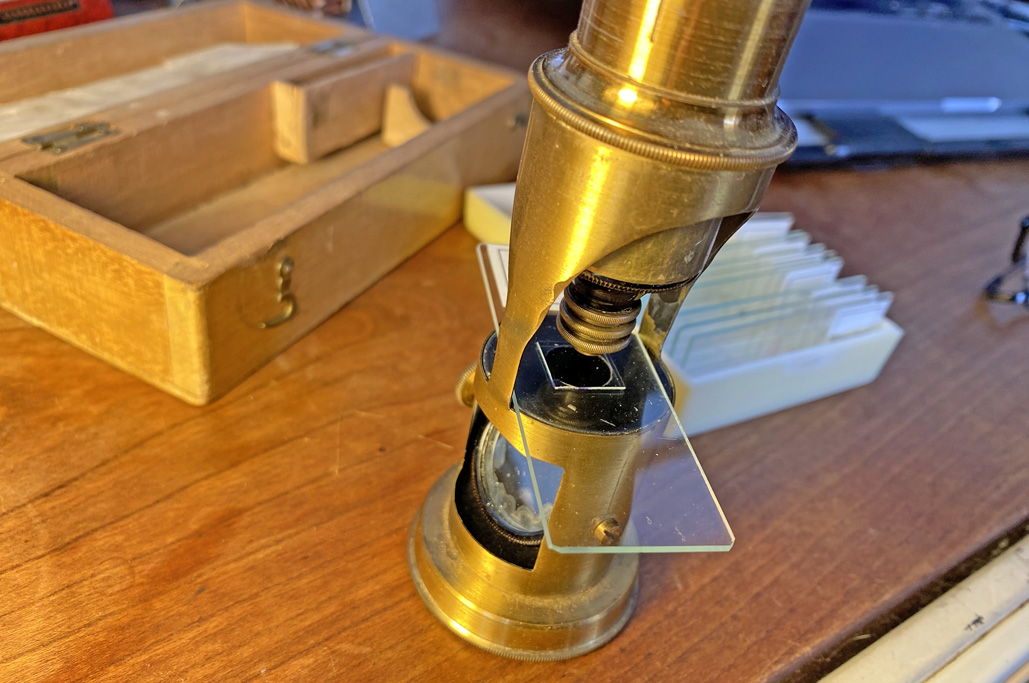
Achieving proper focus is accomplished by sliding the optical tube up or down the chamber. The tube is held in place by friction. Care must be taken not to push the optical tube into the slide, as there is no mechanism to stop the lens from making contact.
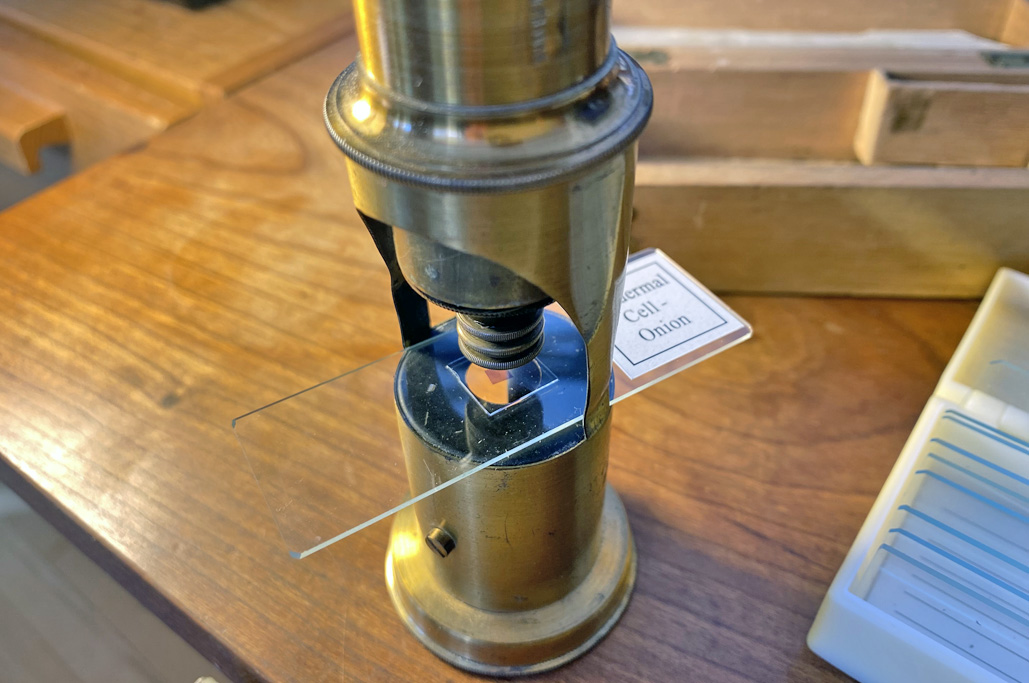
Clean optics is one thing, but to be able to see at all, there must be light. For this microscope, light must be directed up from underneath, through the slide, and into the optical tube. The mirror under the stage is the mechanism that directs the light. By angling the mirror properly, light from a source can be reflected up through the slide to the observer.
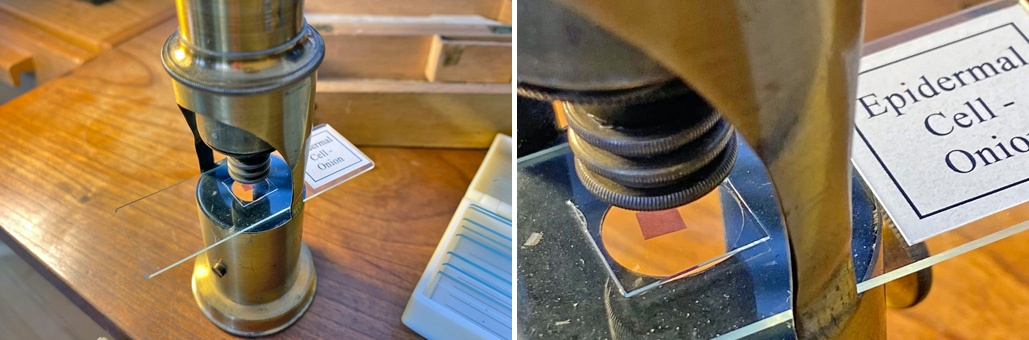
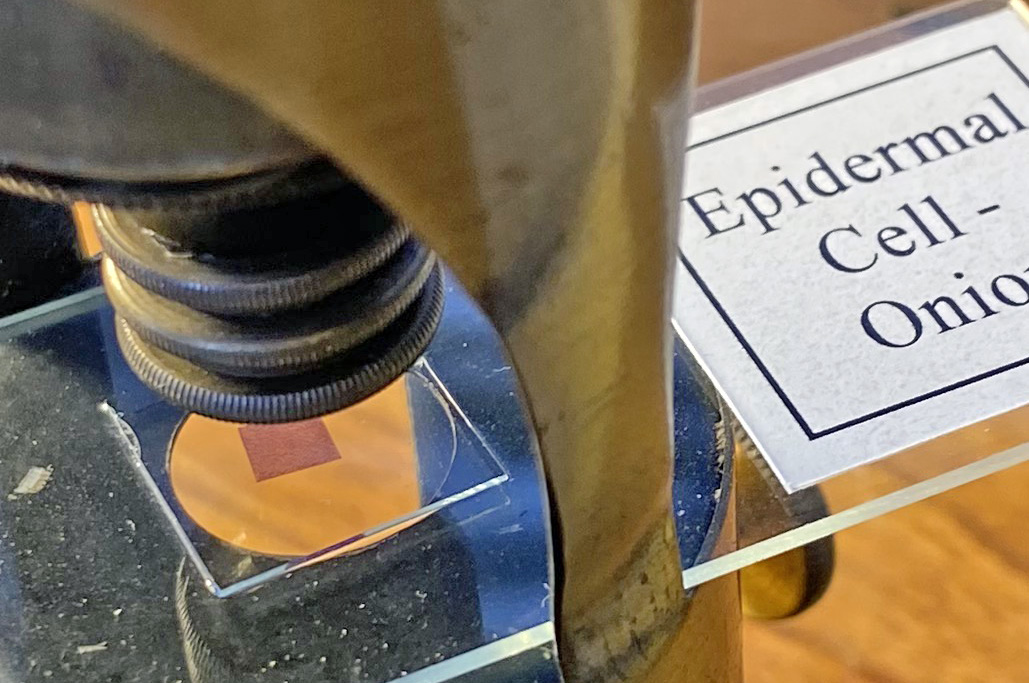
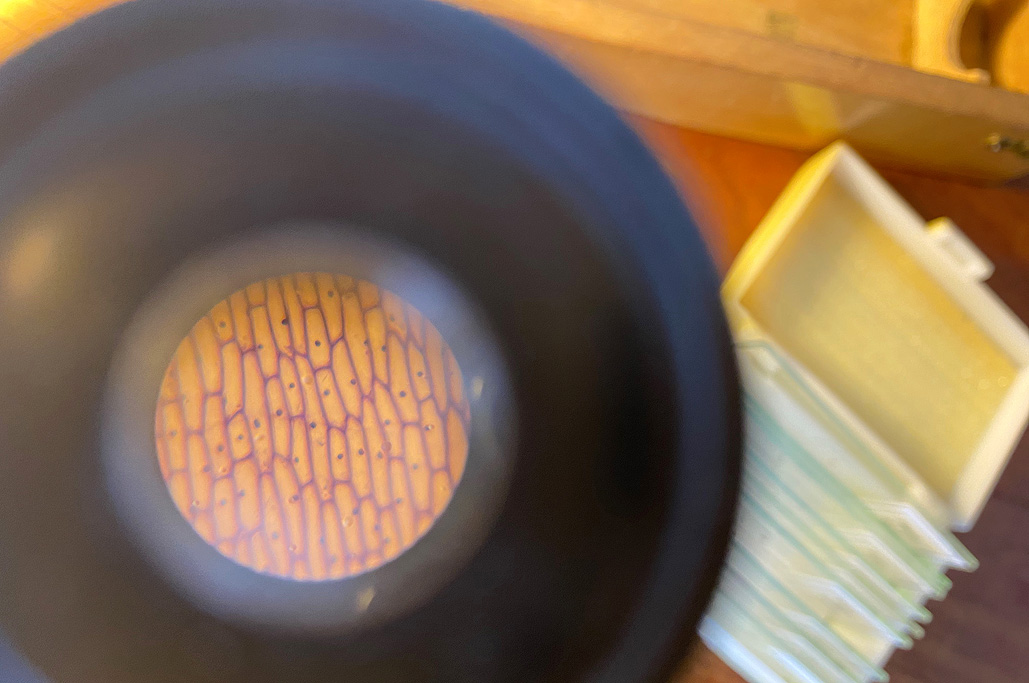
Working the optical tube and the mirror, we were able to get good focus AND direct enough light through the specimen slide to see the sample clearly.
In retrospect, we realized that there was no reason, other than damage to the optics and the mirror, that a microscope such as this shouldn’t work.
Acquiring an antique microscope is cool, but the fact that this one works is even cooler 🙂

Links to items mentioned:


Leave a comment