
Stride Custom Orthotics: FirstLook
Scan, send, insert...how hard is that?
The cost of custom orthotics used to be out of reach for many people, but because of advances in moulding tech and the Internet, gone are the days of putting up with the pain, wearing uncomfortable shoes, or trying to make do with off-the-shelf orthotics.
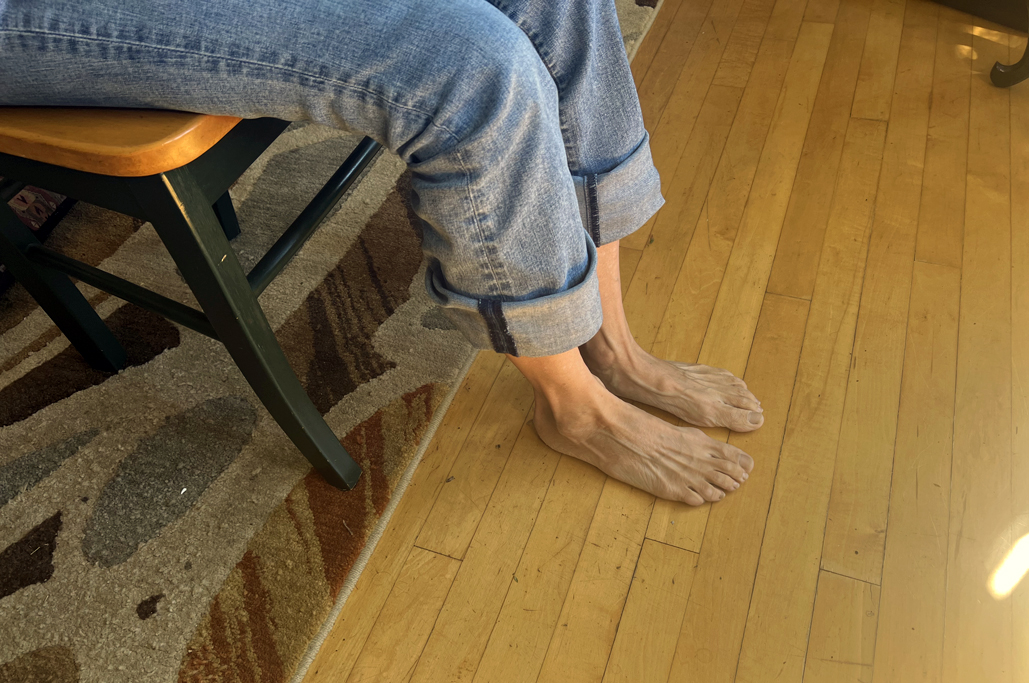
We have a lot of experience with this topic because one of our editors has had flat feet since childhood. She would tell you that custom orthotics changed her life.
3D Scanning
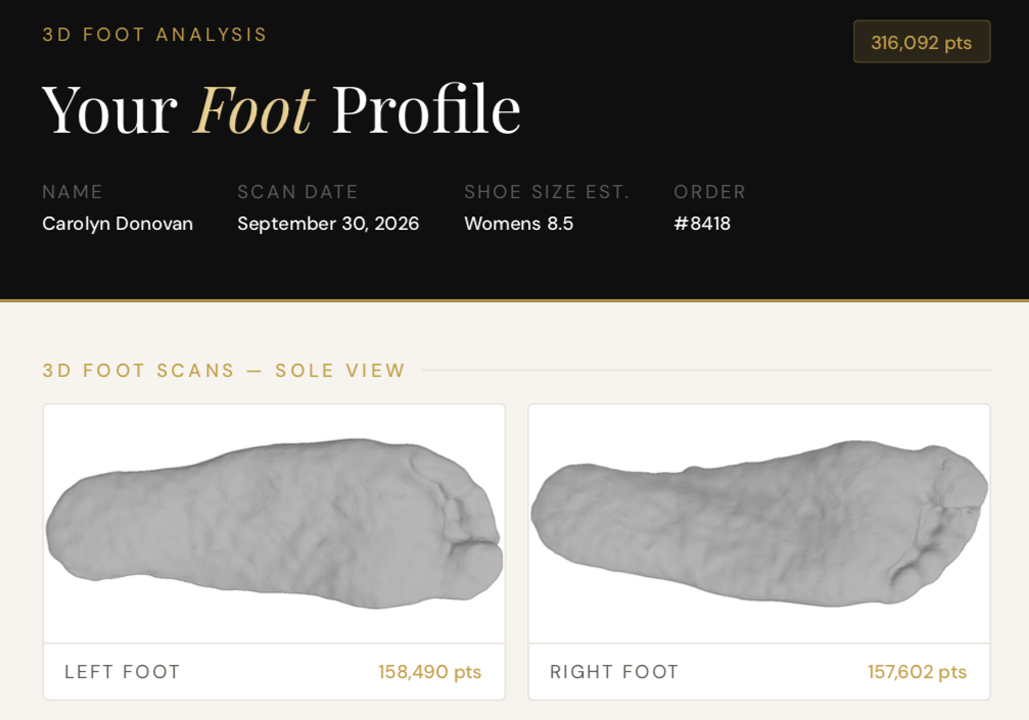
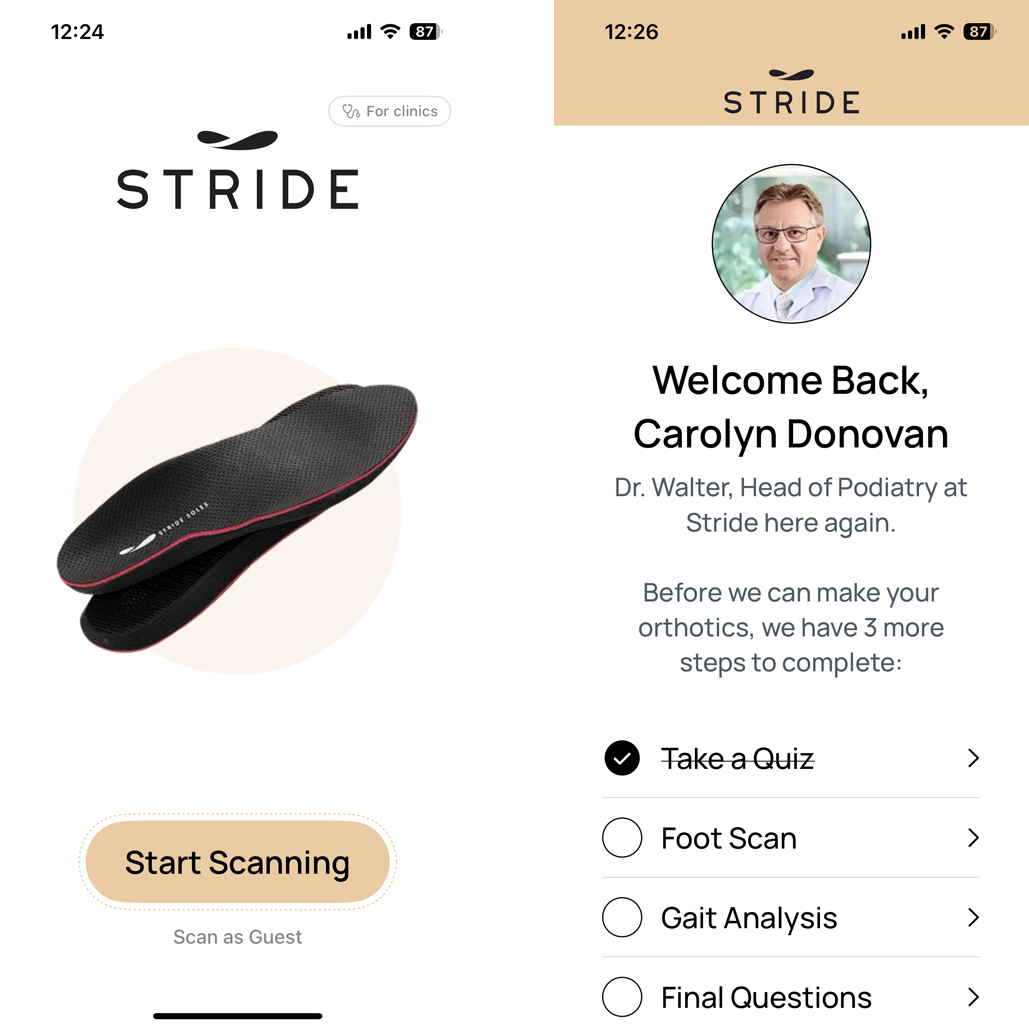
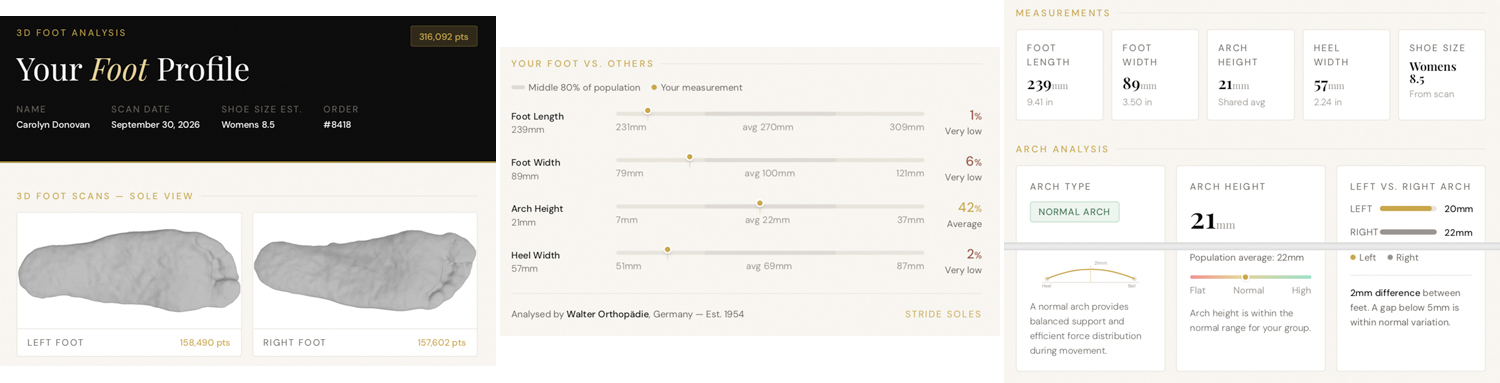
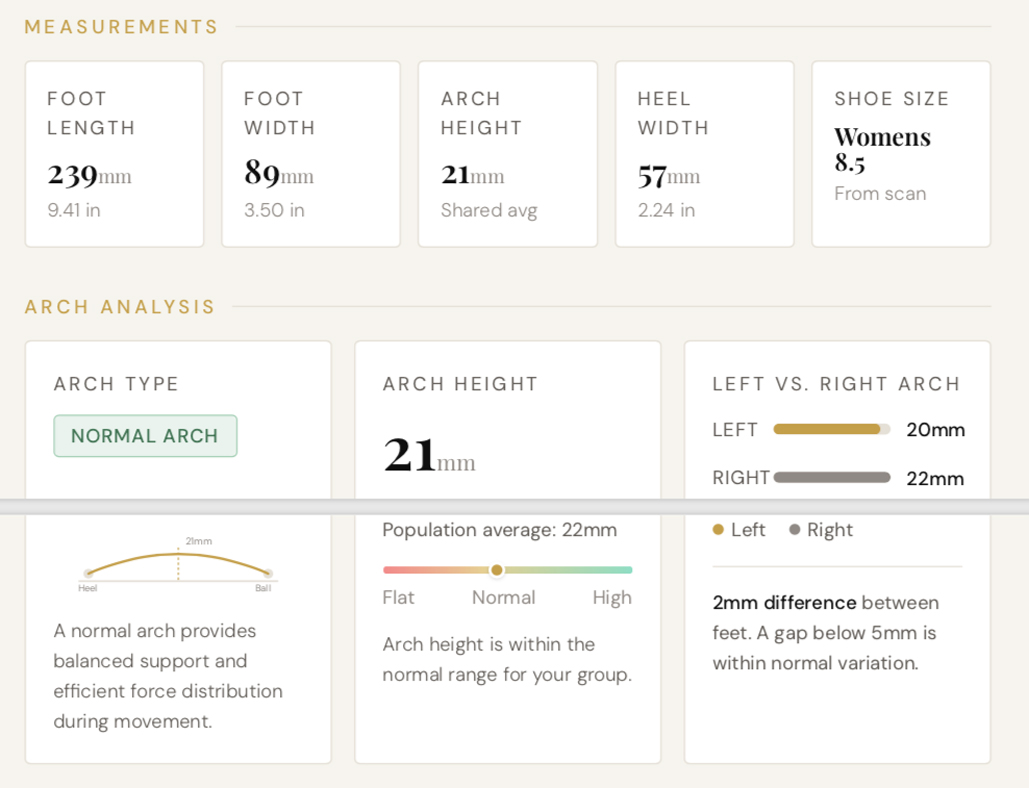
Recently, we learned about the company Stride, which offers custom orthotics from a 3D scan of the feet just by using an app on a smartphone. The benefits are supposed to be a more accurate fit, faster turnaround time, and a lower cost. We were intrigued 🙂
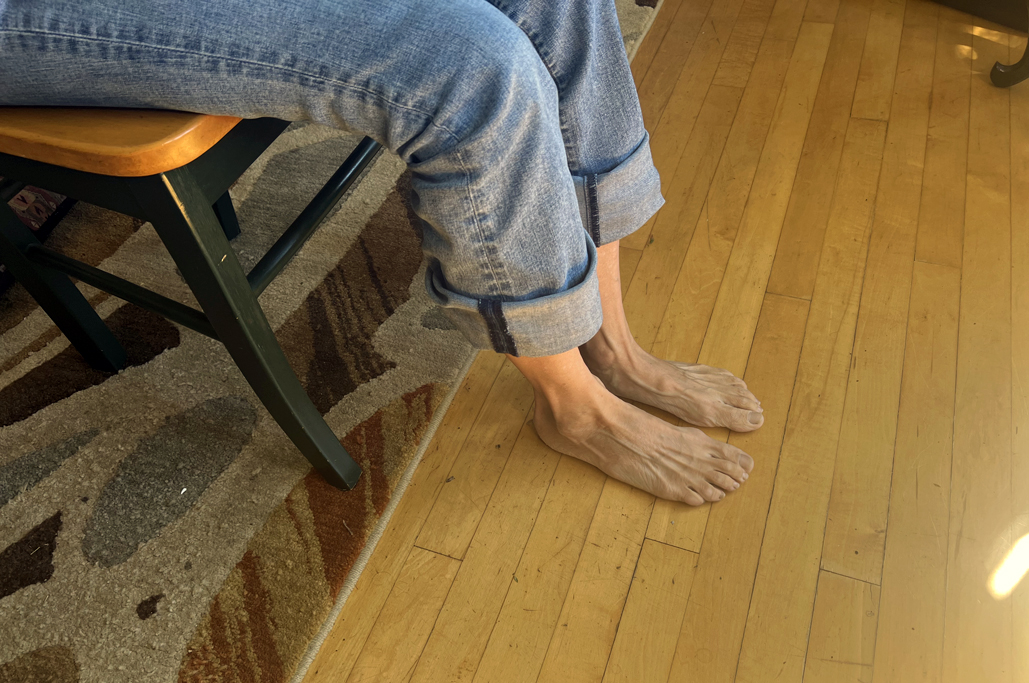
The process was simple enough:
- Download the Stride app onto the smartphone
- Answer a few questions related to the feet
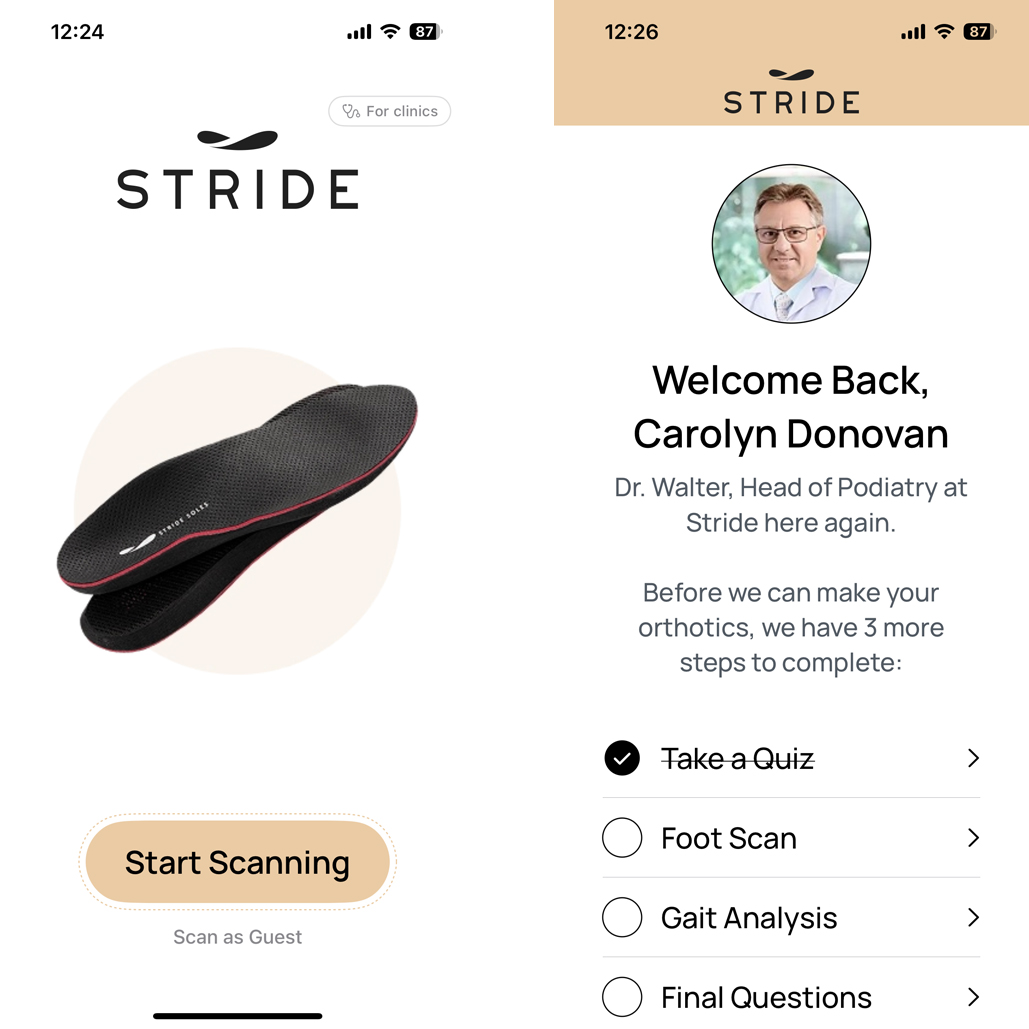
- Scan the feet
- Take a video of the gait

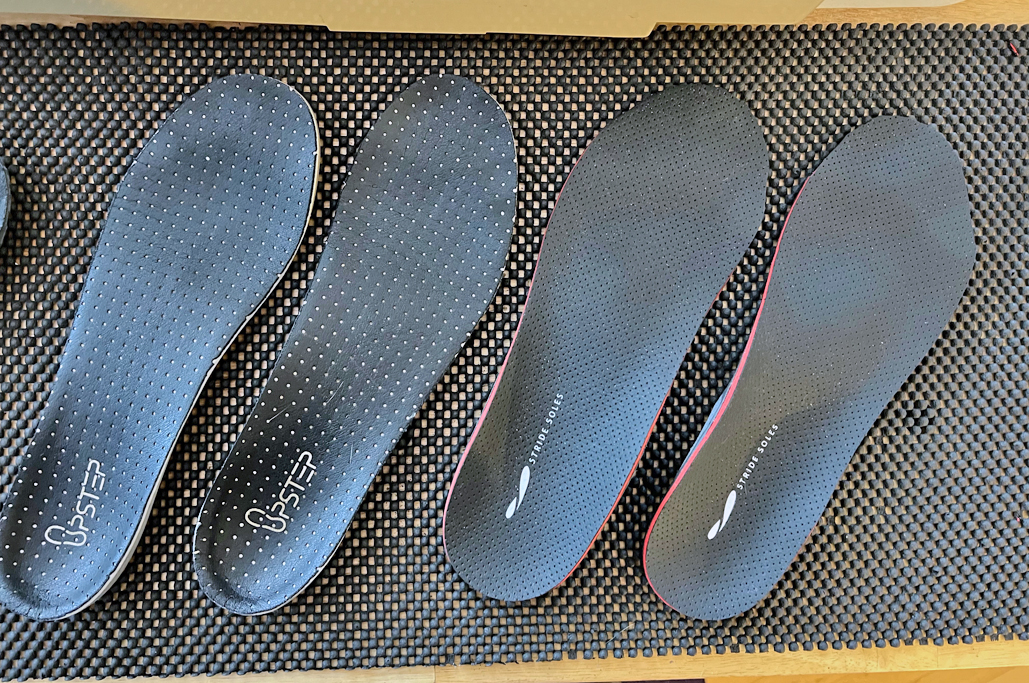
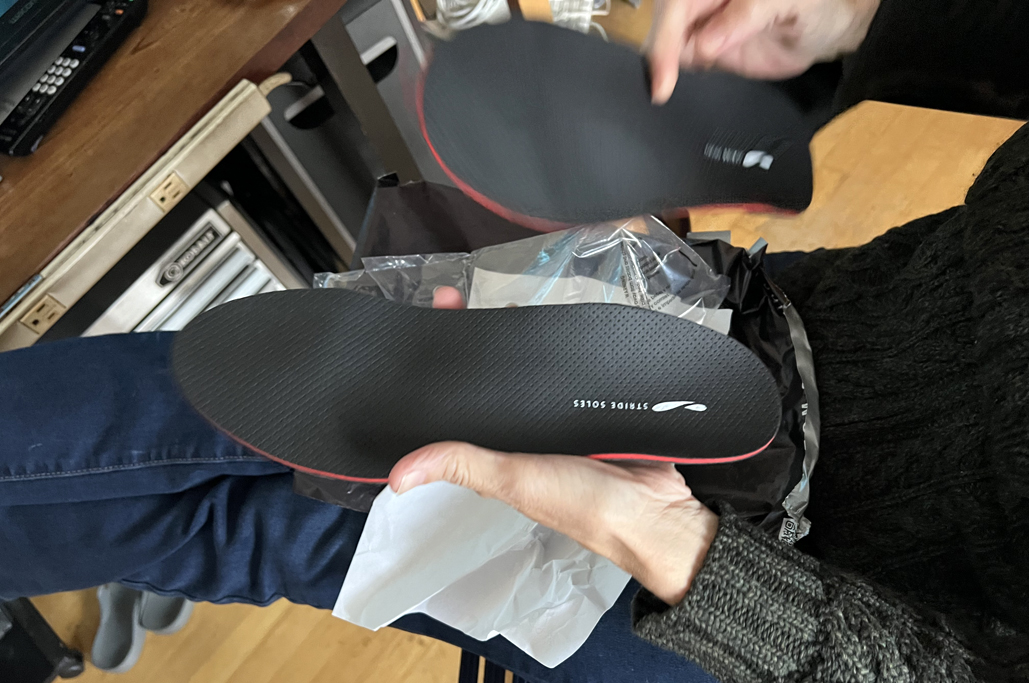
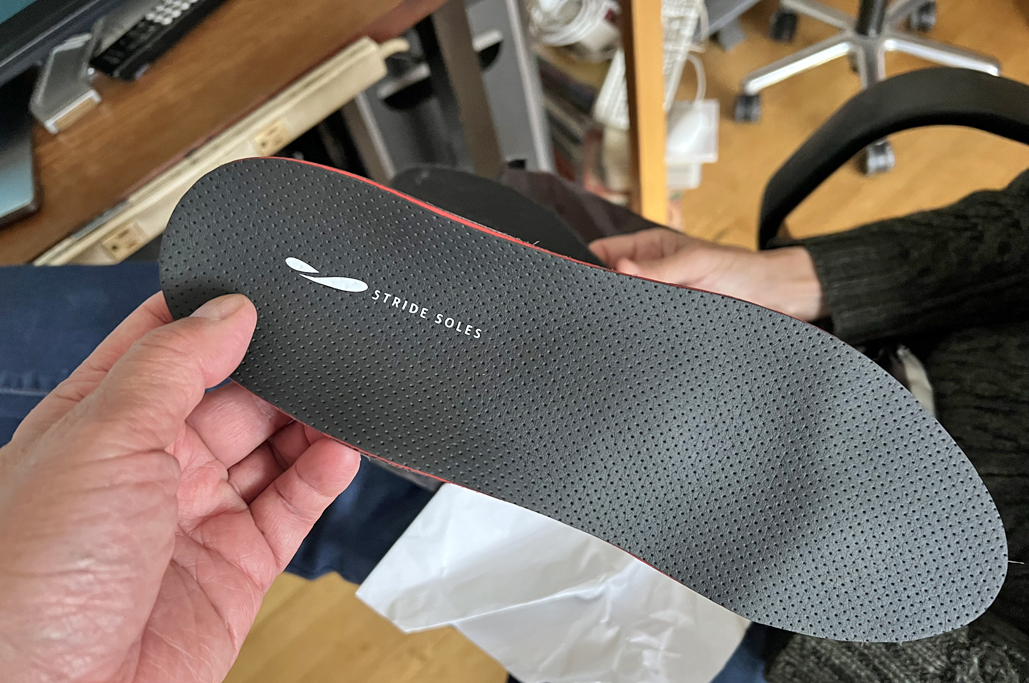
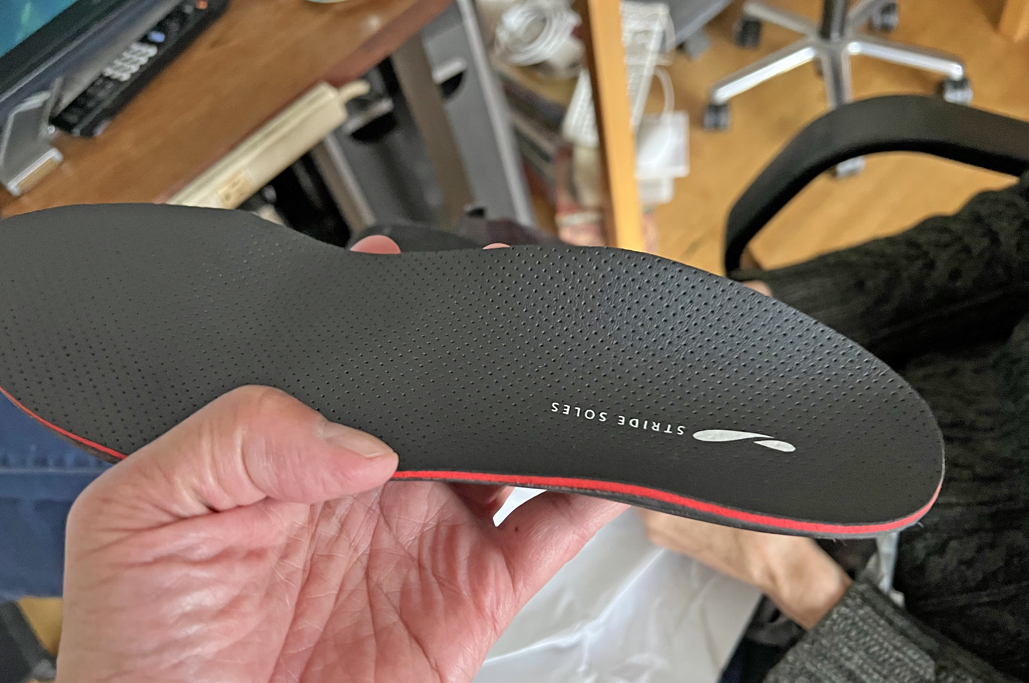
A few days later, a package showed up in the mail. Inside was a pair of custom-printed orthotics. We could see the custom-molded arch and heel supports. They were different for each orthotic.

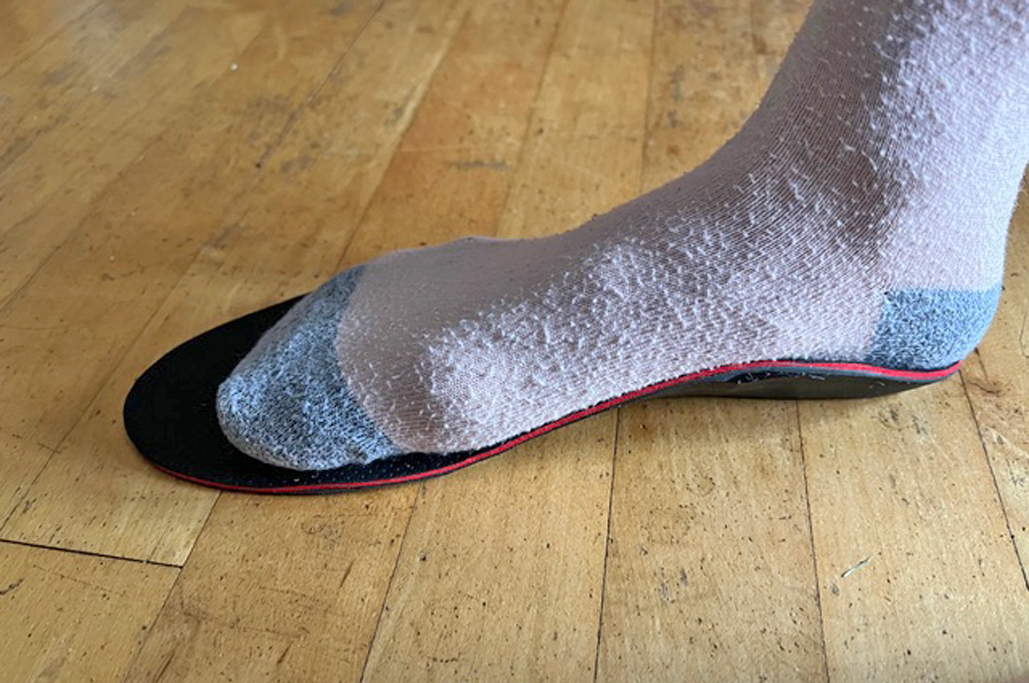
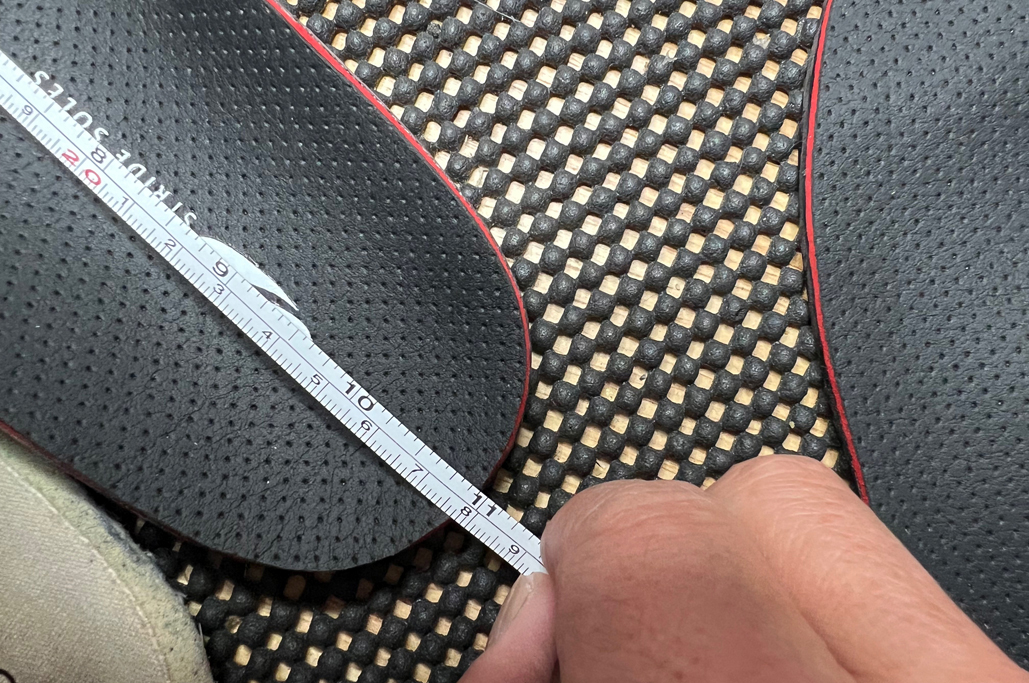
They fit the foot perfectly. However, it was obvious that the inserts were too long. After reviewing our notes, we realized that we had made a measurement error.
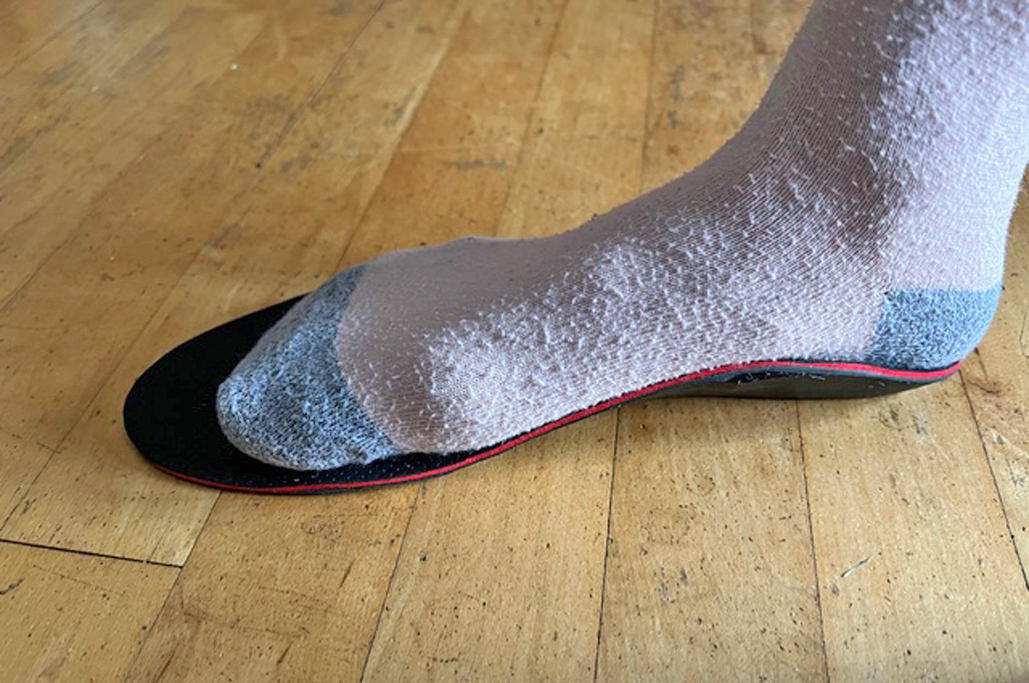
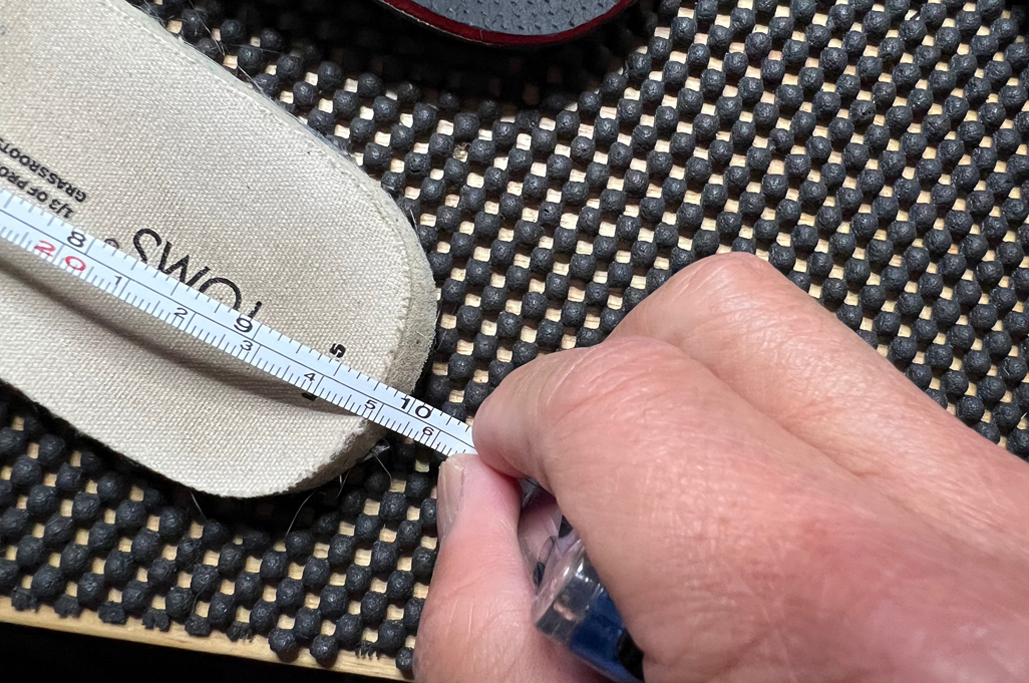
One of the questions asked us to measure the length of the insert against a pair of shoes that the orthotics would be used with.
Instead of removing and measuring the insert, though, we just stuck the tape measure inside the shoe. This gave rise to an inaccurate measurement that was an inch too long!
It did cross our minds that it was odd that someone who wears a size 8.5 shoe would have an insert that measured 11″, but hey, we don’t know how shoe makers size things 🙂

Cut to size
We reached out to Stride, and they responded with an offer to redo the orthotic, but suggested we try trimming it to size as a temporary solution. We thought that was an excellent solution.
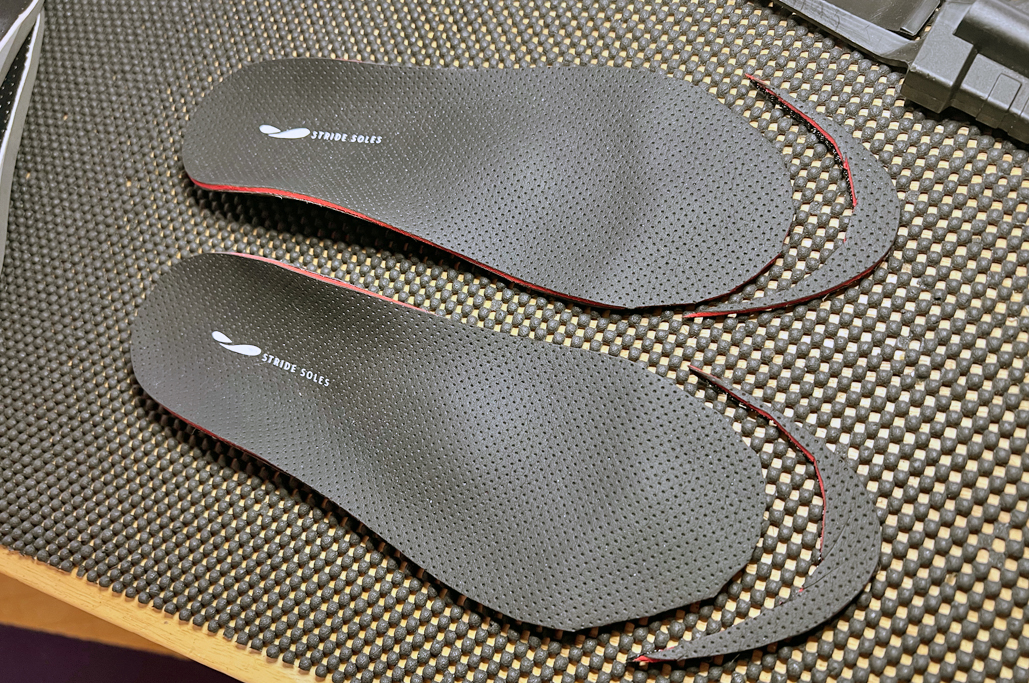
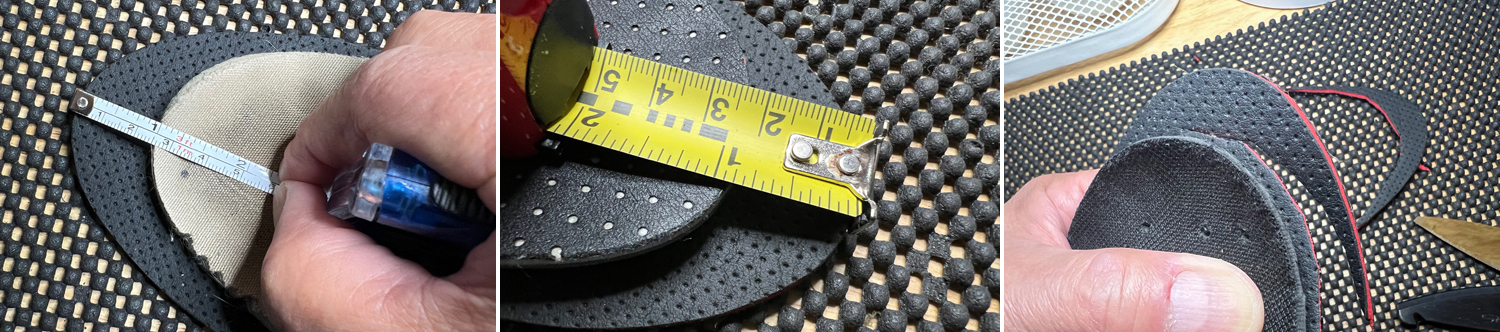
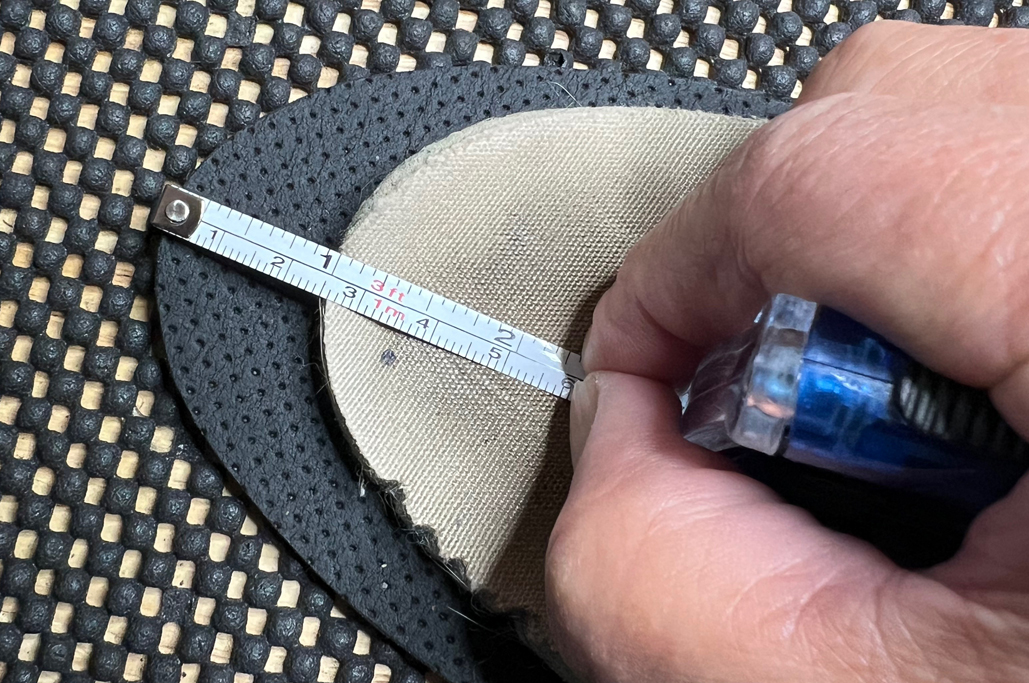
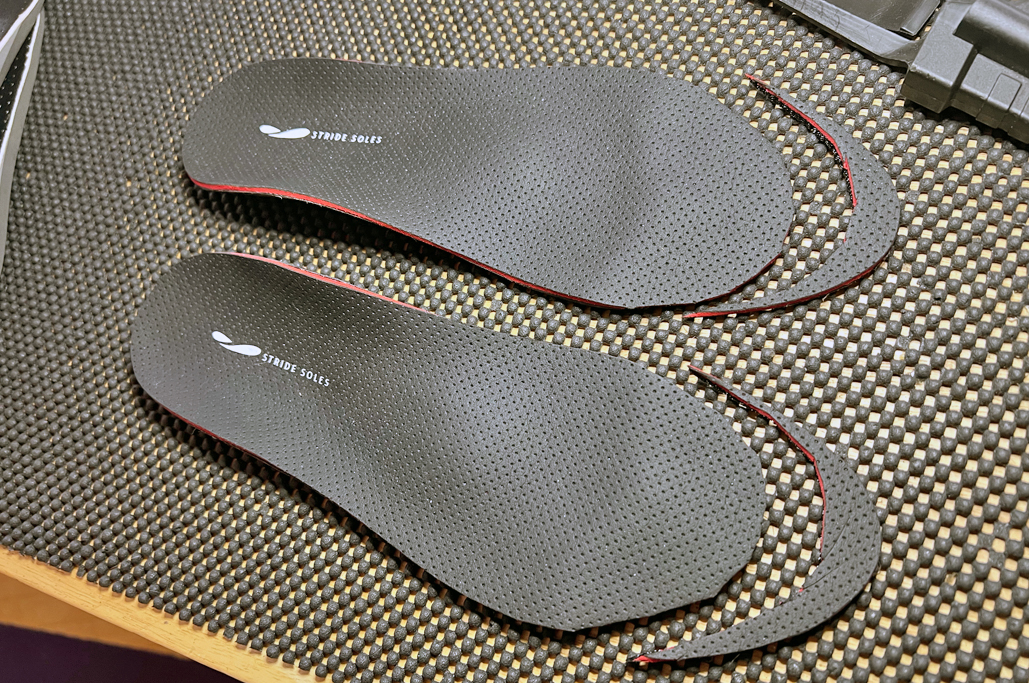
Using another pair of insoles as a template, we cut the Stride to size. However, before we did any cutting, we measured things a few times to be sure we had the measurements absolutely correct.

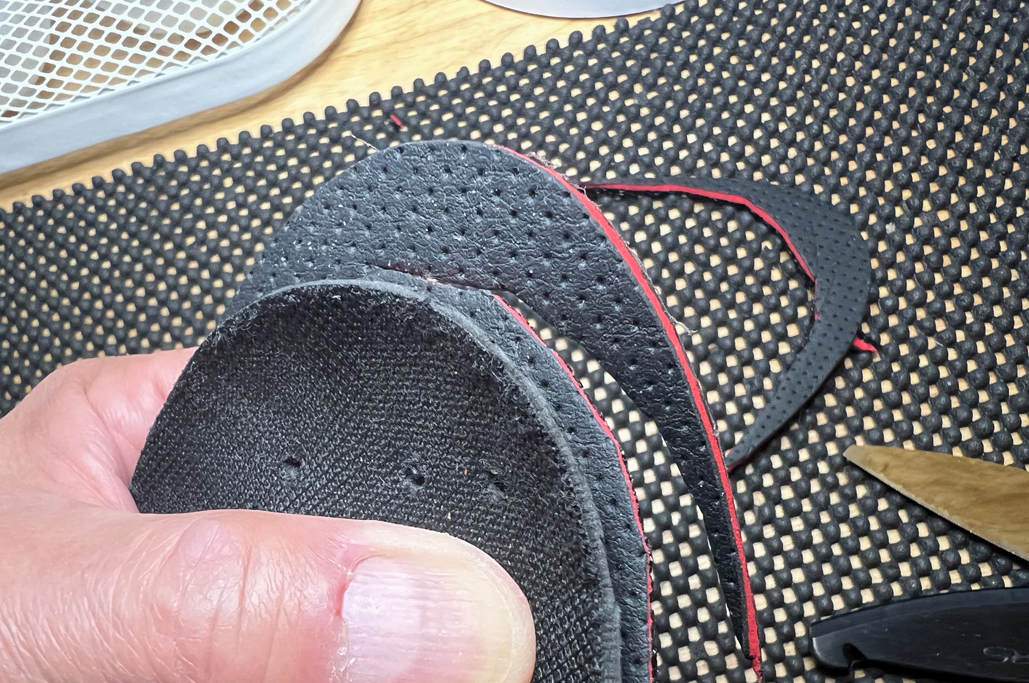
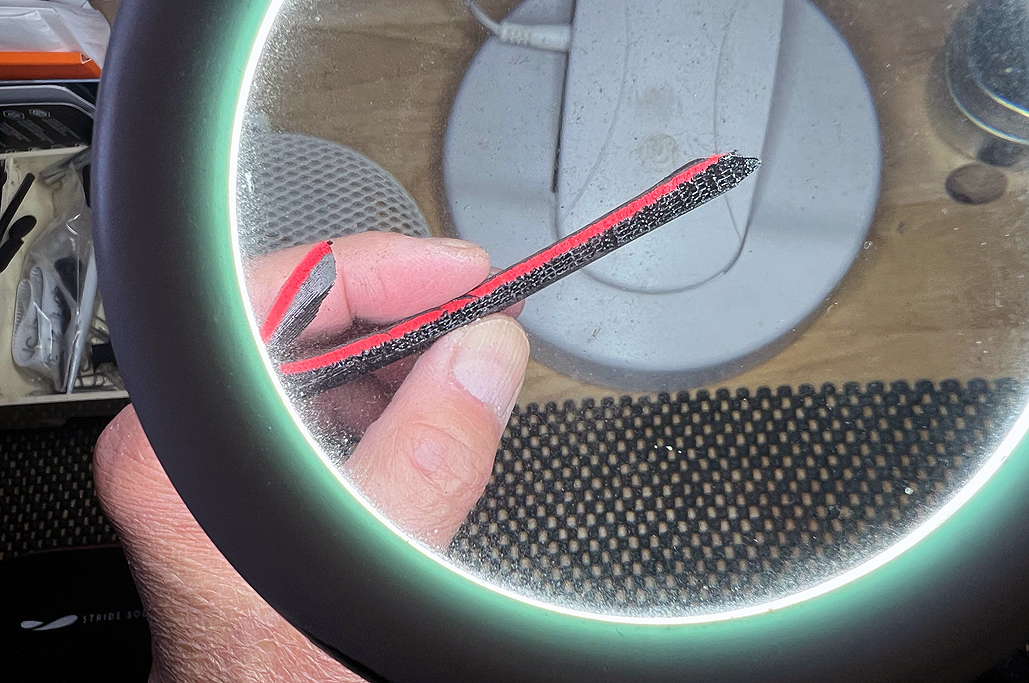
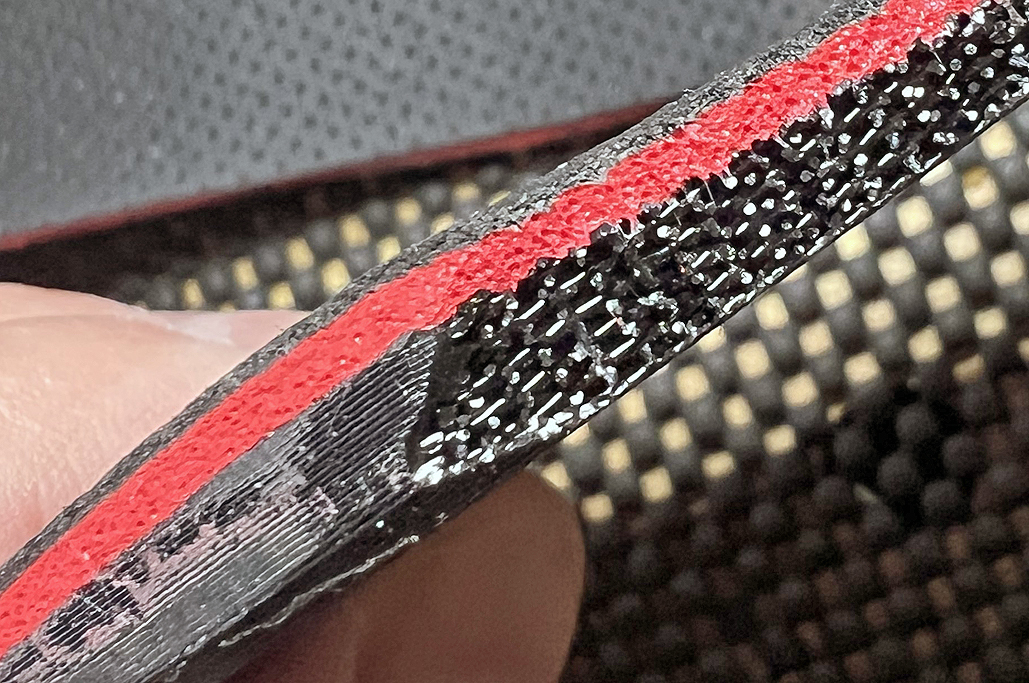
After cutting the insert, we noticed something interesting about the construction. The layers had different densities, hence different shock absorption properties. The thicker bottom layer (black) had more air cells, and the two other layers (red, grey) were made of denser materials. We’ll have more on these layers in the FirstUse write-up.

Cutting the two insoles took just a few minutes, but a heavy-duty cutter is needed. Normal paper-cutting scissors will not do. We used a pair of utility snips for the task.
With the orthotics now properly sized, we will be conducting our FirstUse tests soon. Look for the write-up before the end of Fall.
FirstThoughts
The Stride process for ordering custom orthotics was quicker and simpler than what we have used in the past. Except for the possibility of the user measurement error noted above, we think Stride has a better process for a variety of reasons:
- More details, higher resolution, greater precision;
- A digital file for future reordering, comparison over time;
- Fewer steps of sending things back and forth, less waste; and
- Faster turnaround.
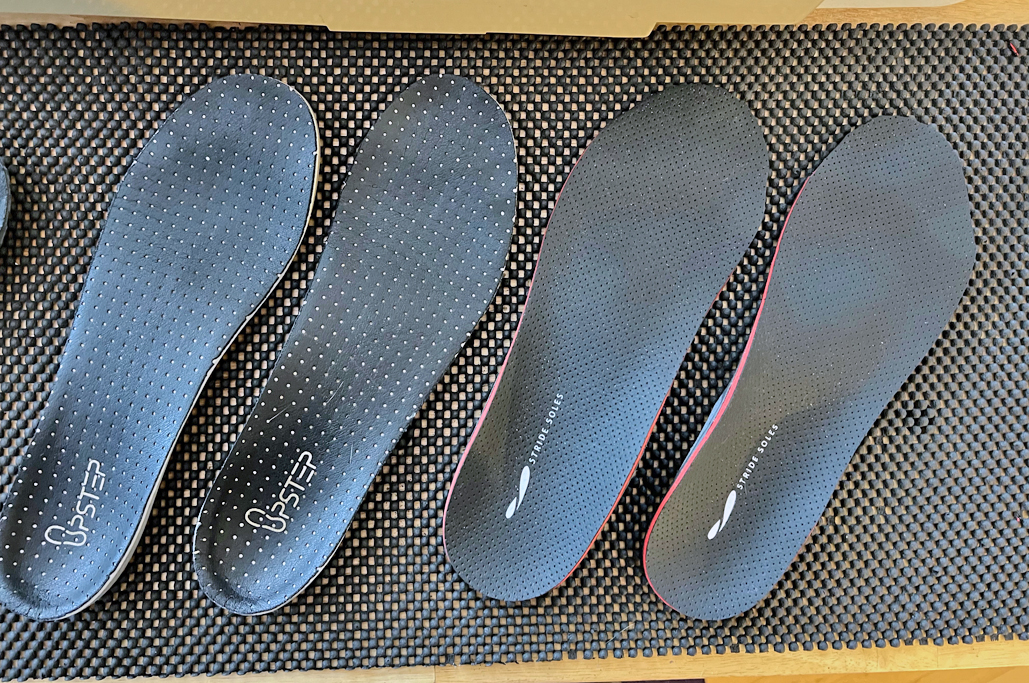
We look forward to seeing how the Stride orthotics compare to the UpStep ones we have been using for the past seven years.
Links to items mentioned:


Leave a comment