
Reflection Frame: FirstUse
Cordless, ePaper, no WiFi needed!
We were going to find a place to hang the Reflection Frame (RF) before posting the FirstUse write-up, but since so many readers asked what we thought of the quality of the image on ePaper, we decided to post our thoughts on that topic earlier than we had scheduled 🙂
First print
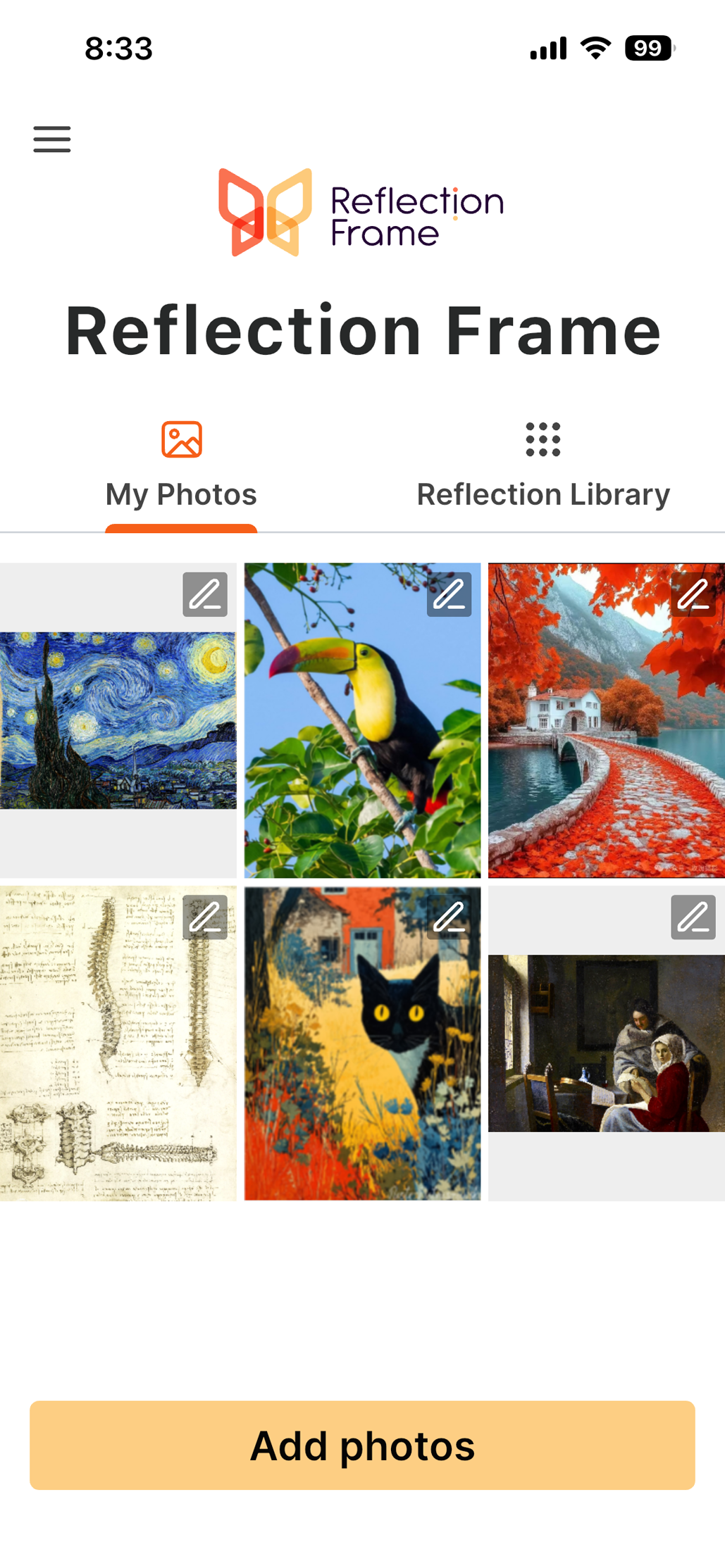
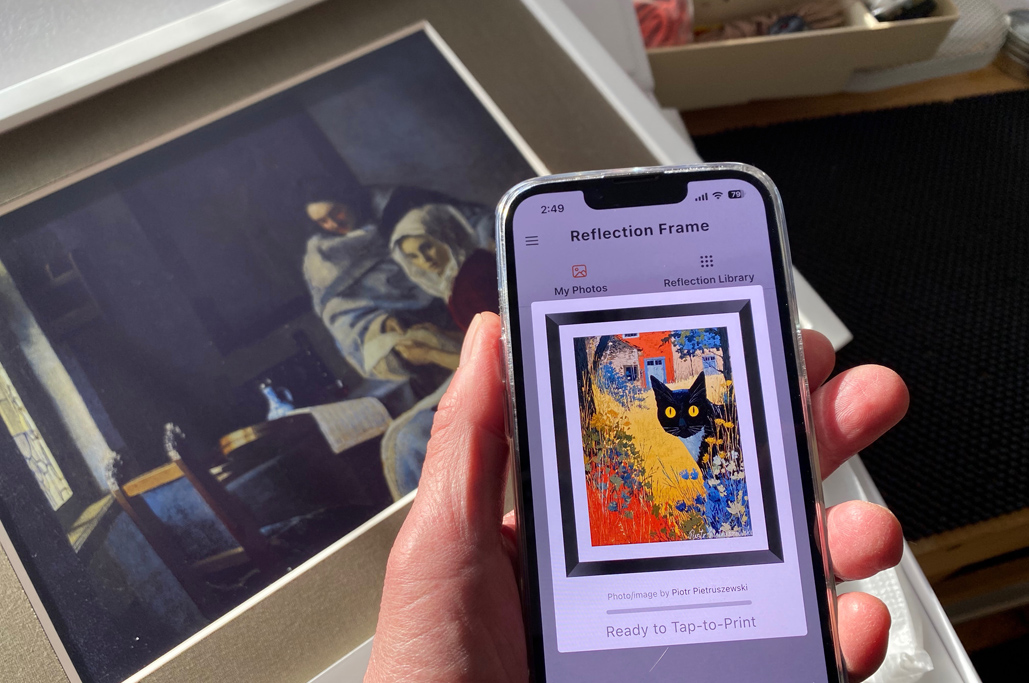
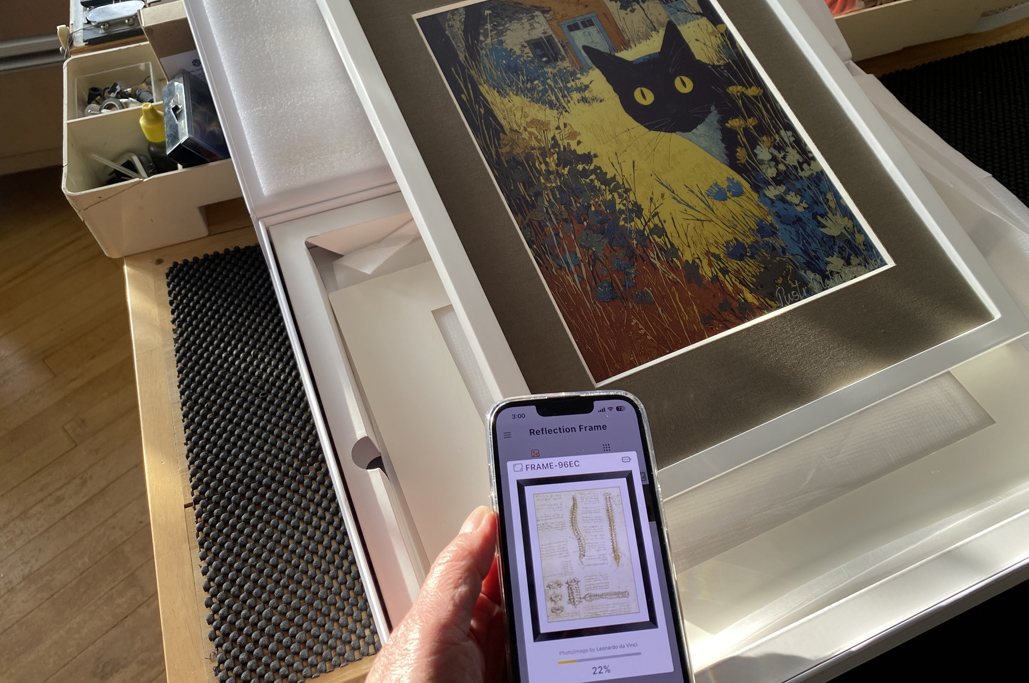
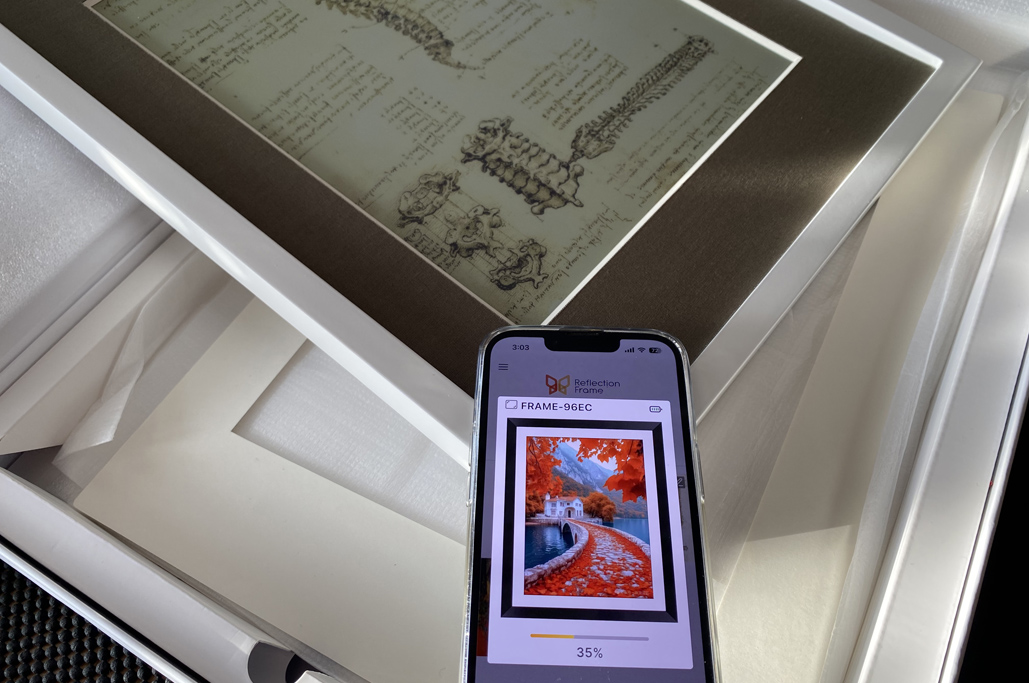
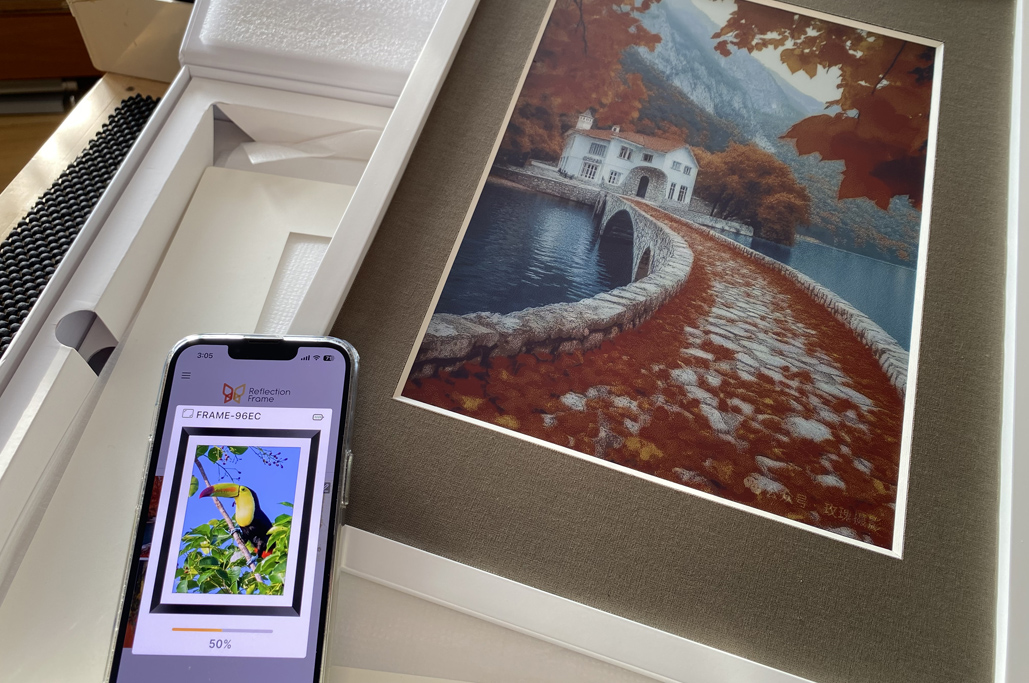
Unlike many digital photo frames, the Reflection Frame does not require WiFi to work. It uses NFC (Near Field Communication) to “activate” the frame to establish the connection. Once activated, a Bluetooth Low Energy (BLE) connection is used to upload an image to the frame. The RF folks call the process “printing” an image. Here’s how:
- Download the Reflection Frame App to your smartphone;
- Select an image from your own photo or from the Reflection Frame library;
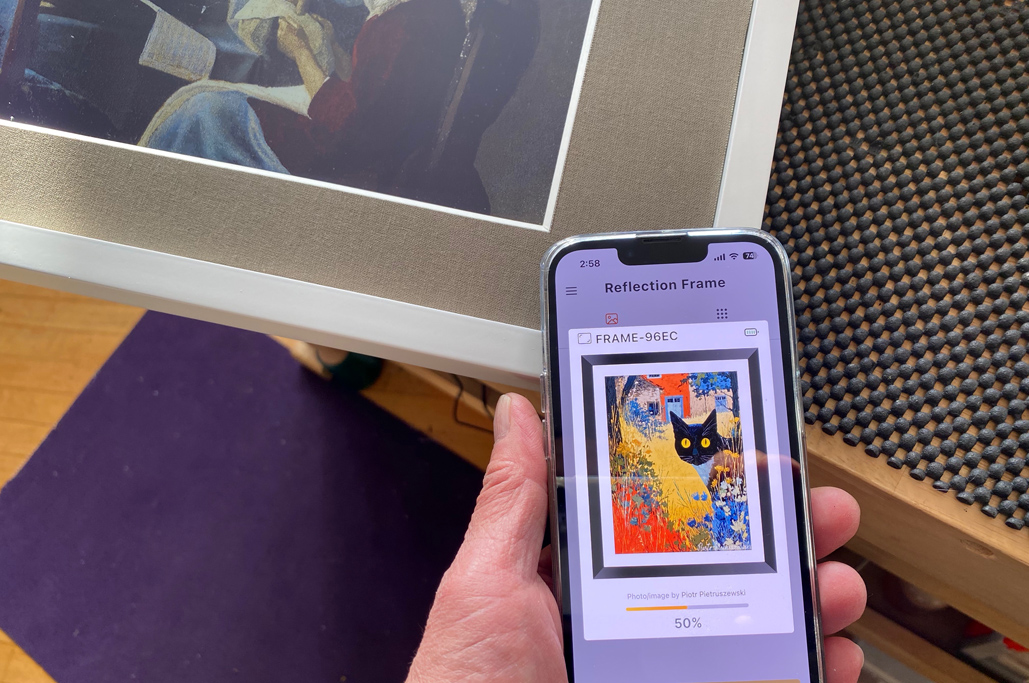
- Put the smartphone near the frame to establish the NFC connection; and
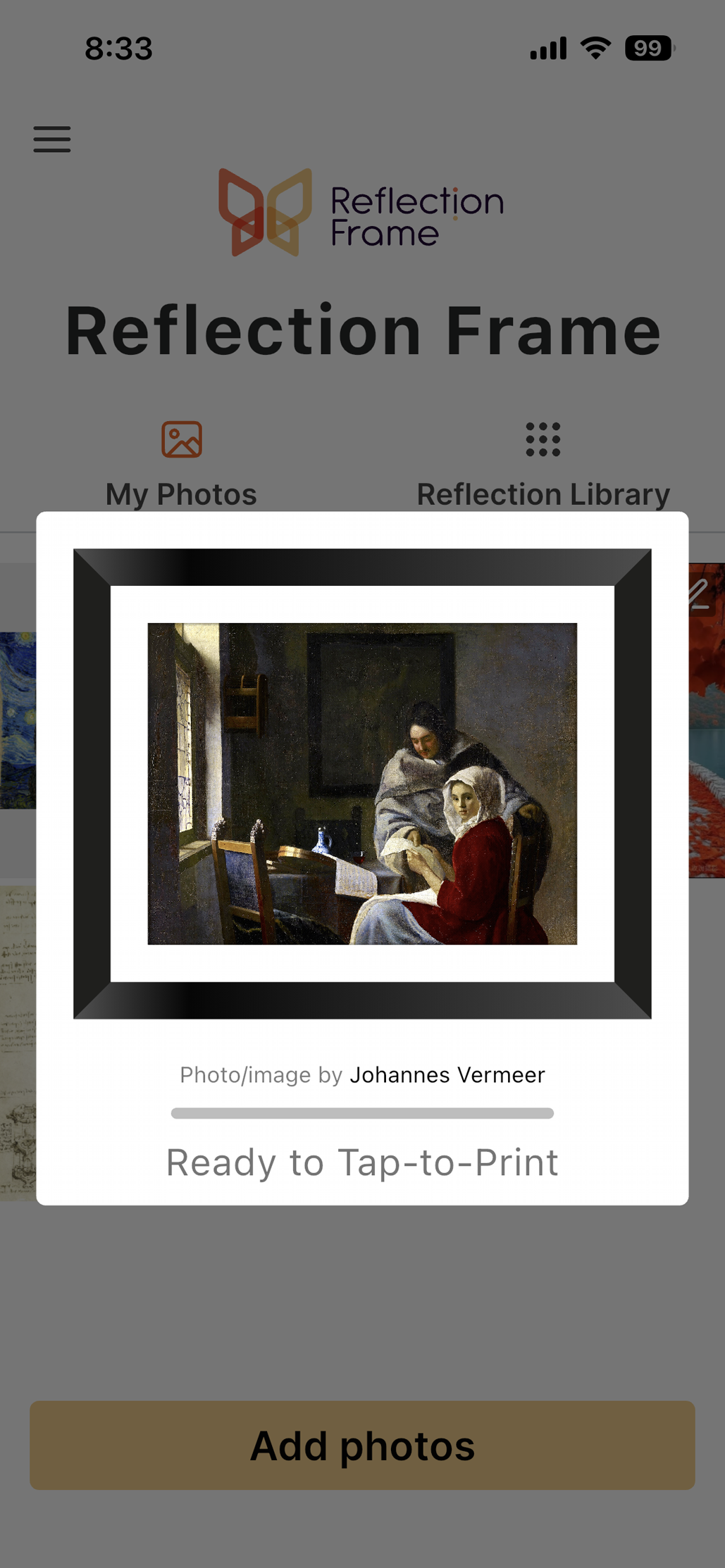
- Tap the button on the app to “print” the image on the frame.
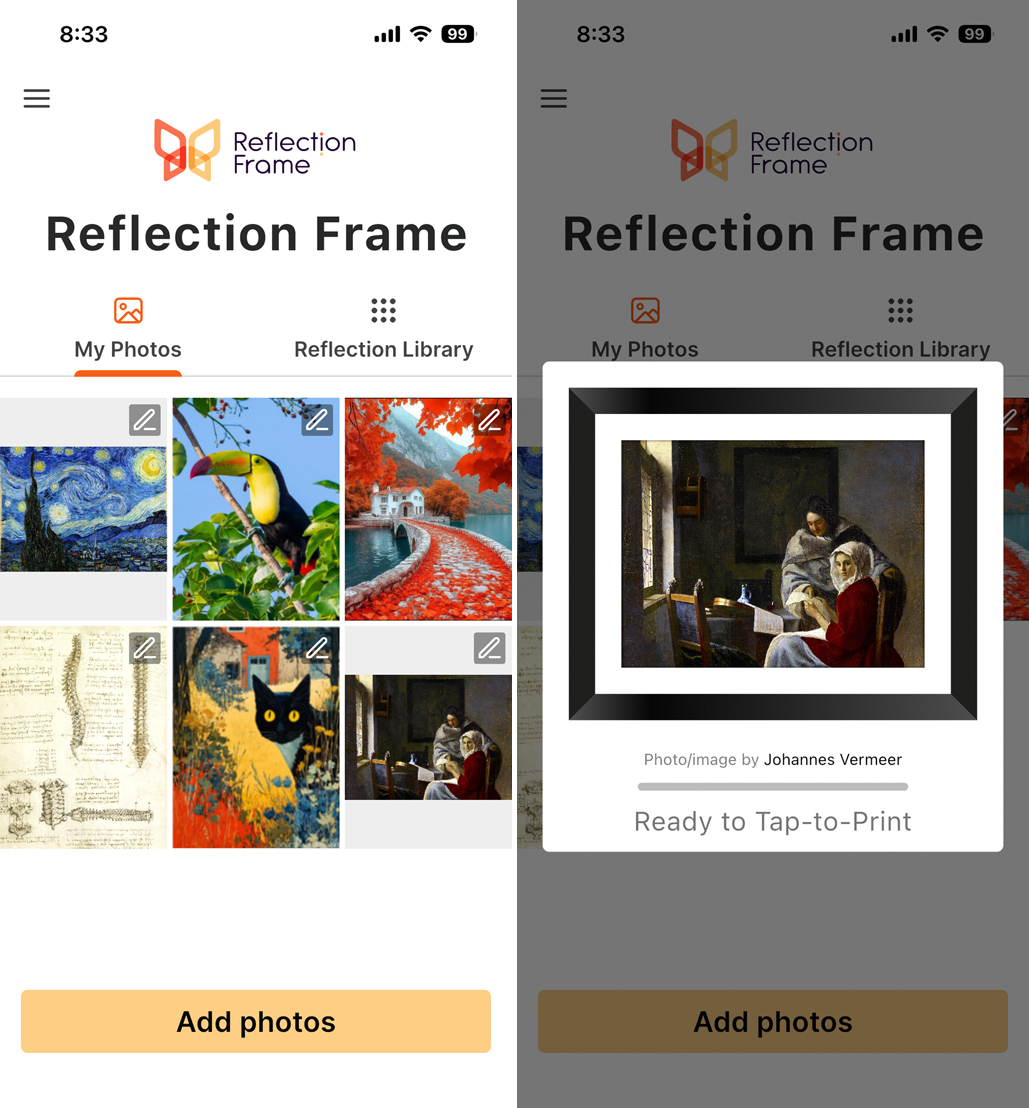
The Reflection Frame library has a collection of public domain paintings, photos, and other artworks for uploading to the frame. The BLE transfer process takes just seconds.
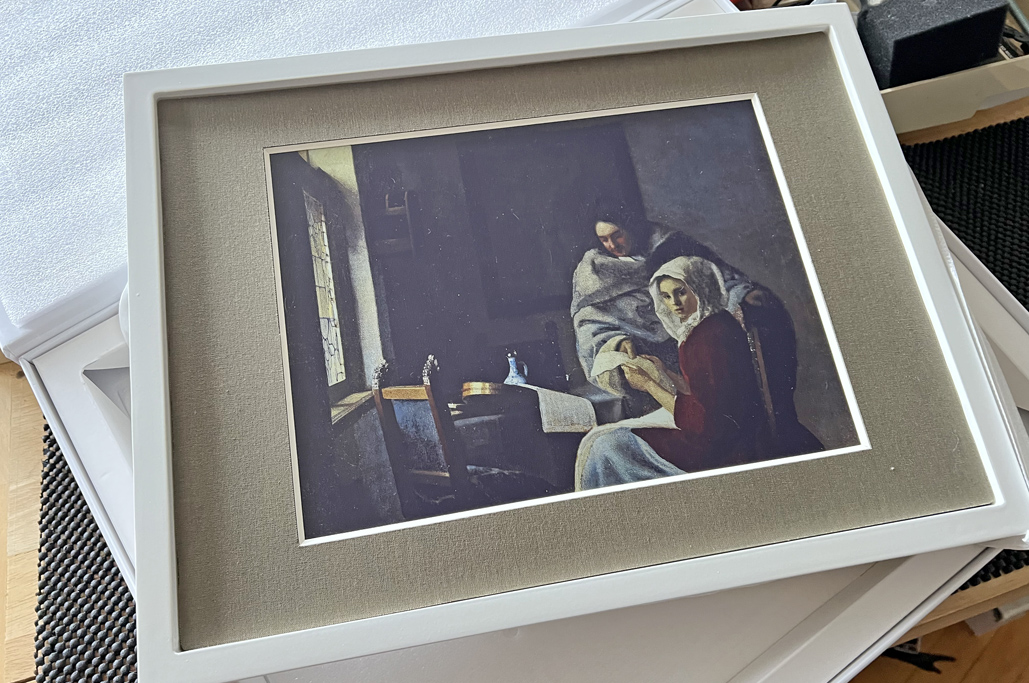
Vermeer’s Girl Interrupted at Her Music was the first image we “printed” onto the Reflection Frame’s ePaper. The process was surprisingly simple, easy, and quick.
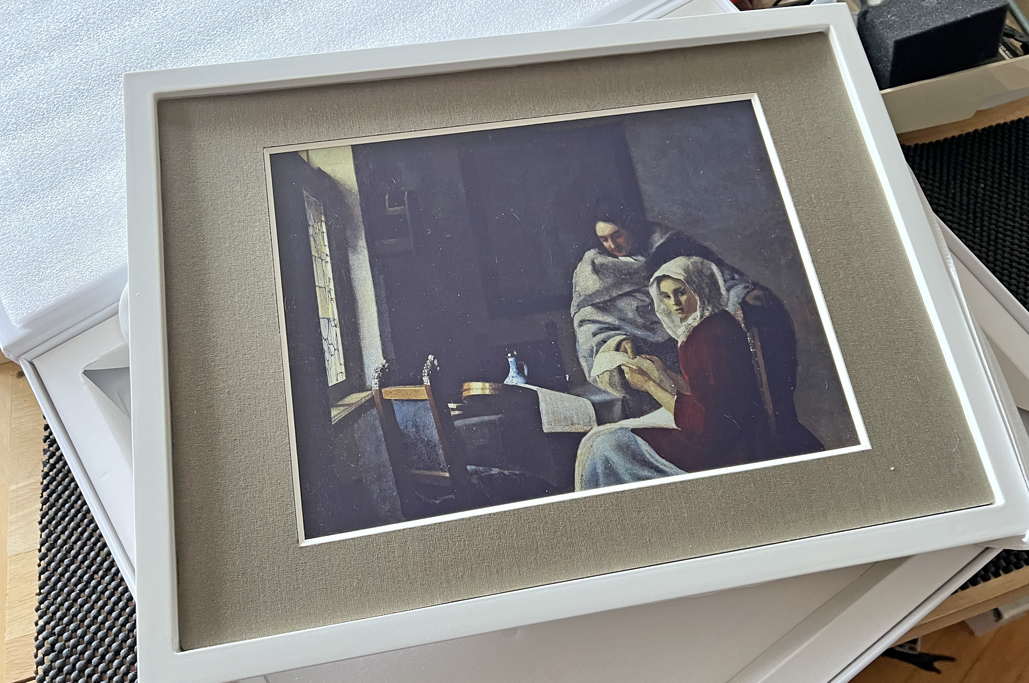
Art
To change the image, just select another one on the app, place the phone near the lower corner to re-establish the NFC connection, and “print” it.
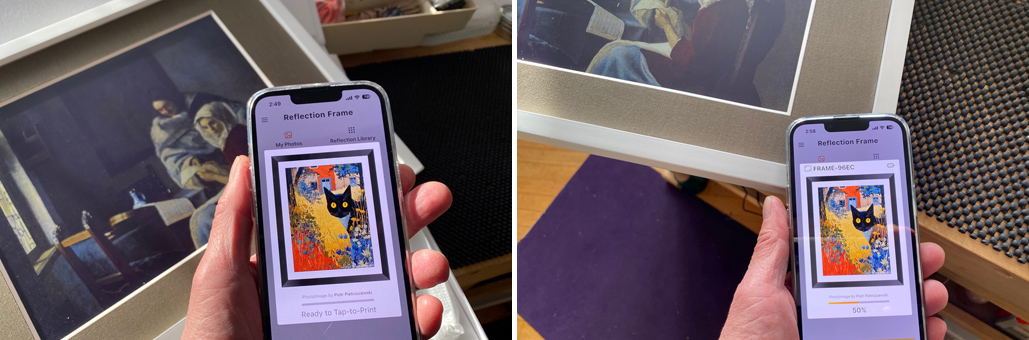
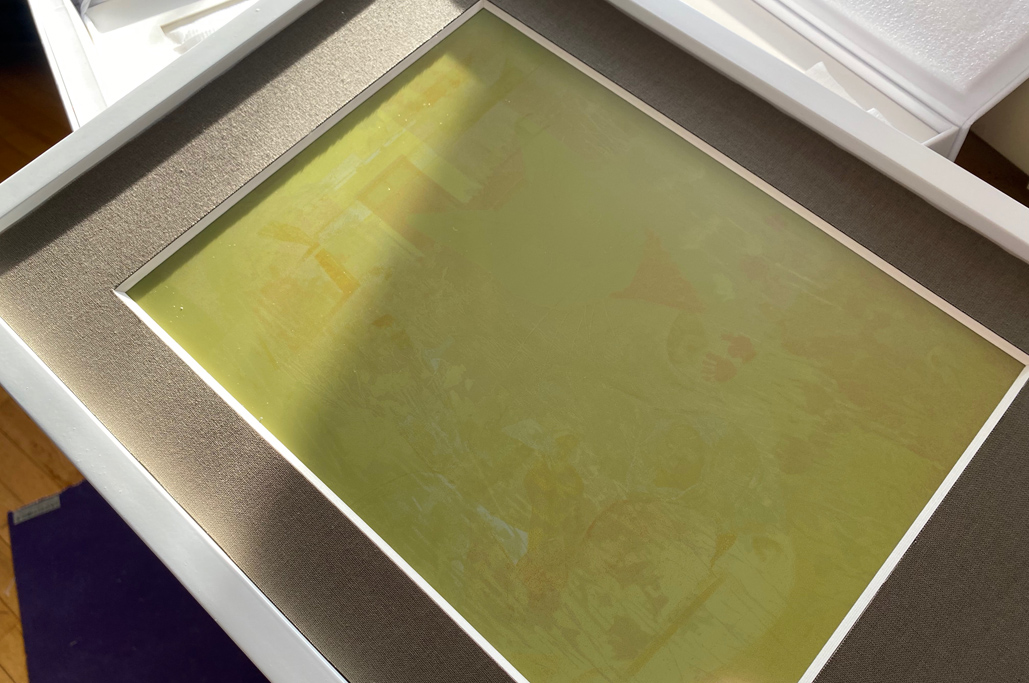
As the image is being “printed,” the ePaper will refresh a few times before the final one appears. This is because of how ePaper works. The amazing thing about ePaper is that once the image has been uploaded, NO MORE power is needed. Power is ONLY required for “printing” !!!

This means that the image on the ePaper, like a real image on paper, will be stable for years!!! How amazing is that???
Drawing
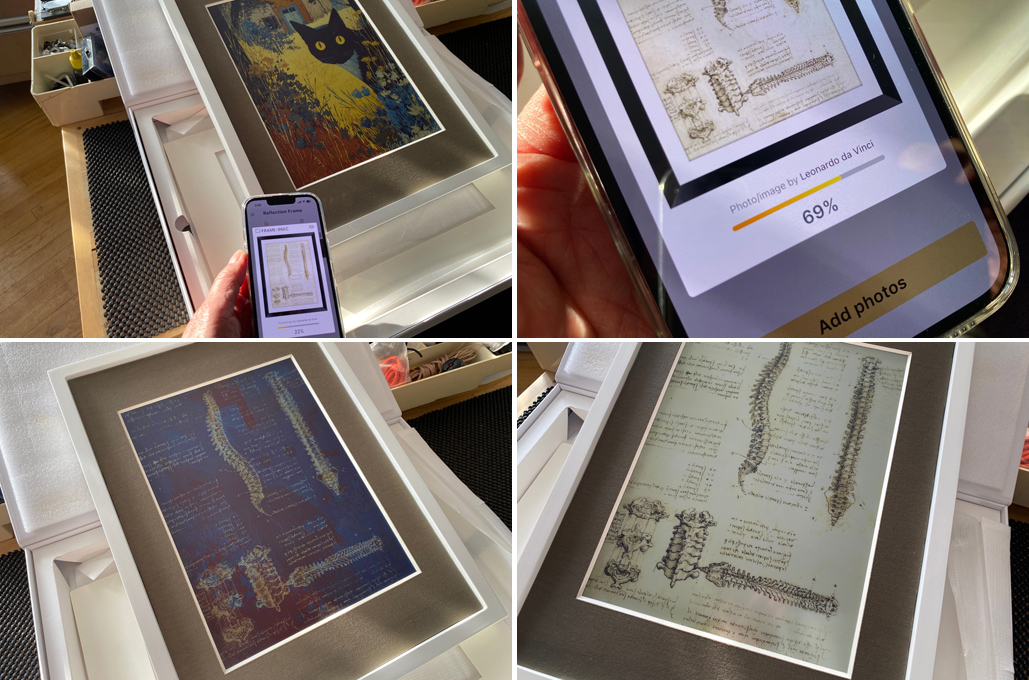
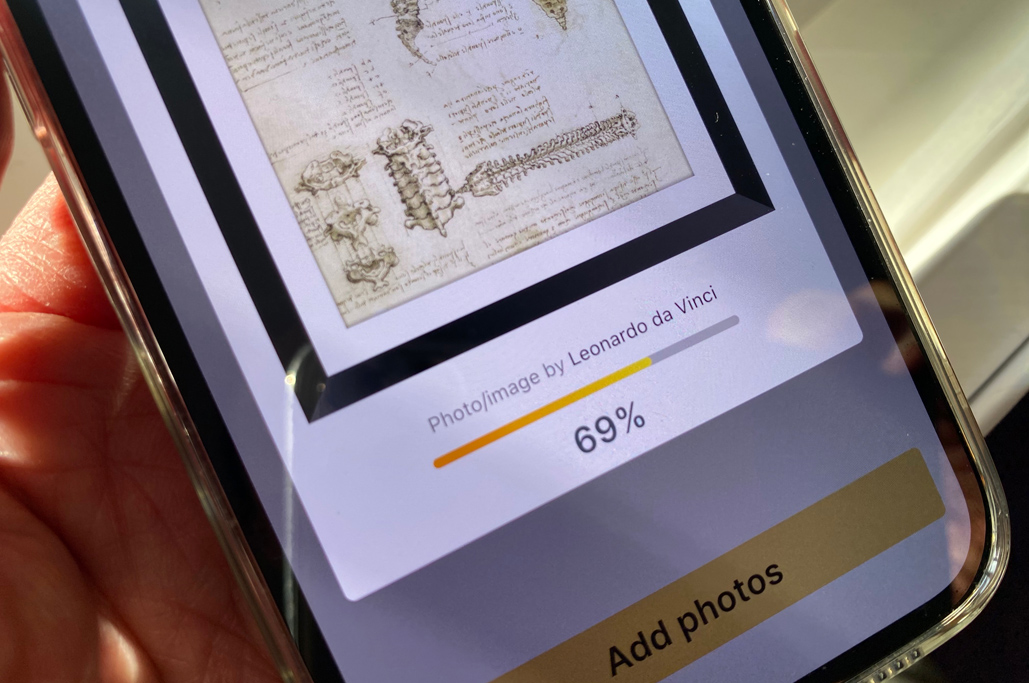
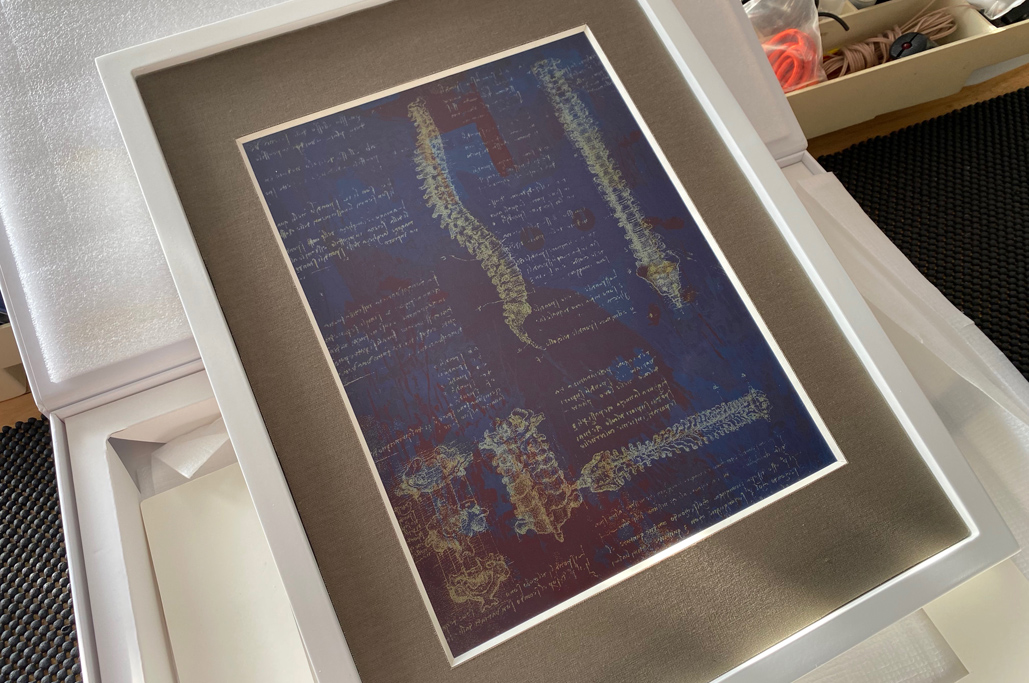
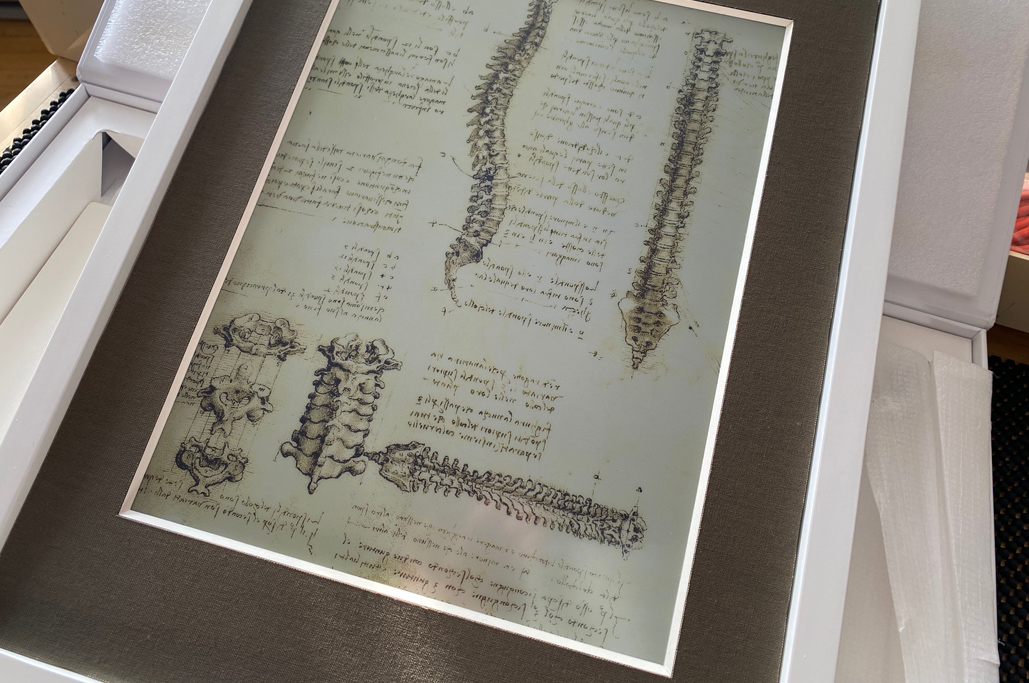
ePaper originally started as a black and white technology, then next came grayscale, and finally color. The low reflection, 1200×1600 resolution, and good visibility in bright light make it good enough for displaying paintings, but it is better for showing drawings.
Seeing a Da Vinci drawing appear on the Reflection Frame was nothing short of magical, and displaying stuff like illustrations is the sweet spot for this tech.
Photo
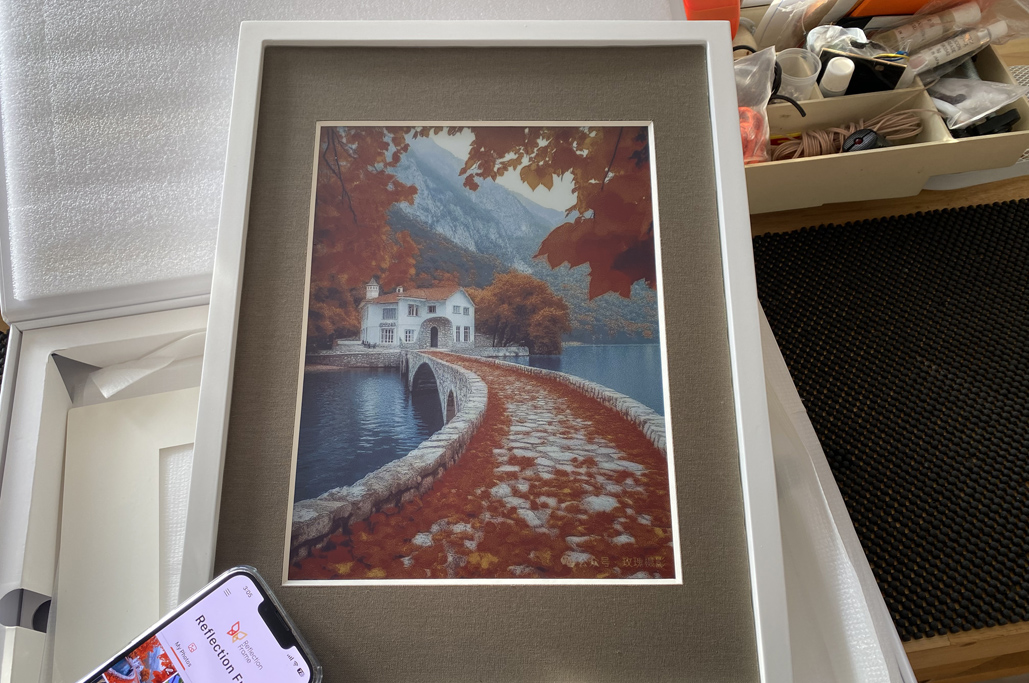
Unlike drawings, displaying photos requires high resolution and a wide color gamut. While all modern LCDs are 24-bit (16.7 million colors), E Ink’s Spectra 6 display, an ACeP (Advanced Color ePaper) technology, utilizes a six-color system (black, white, red, yellow, blue, green).
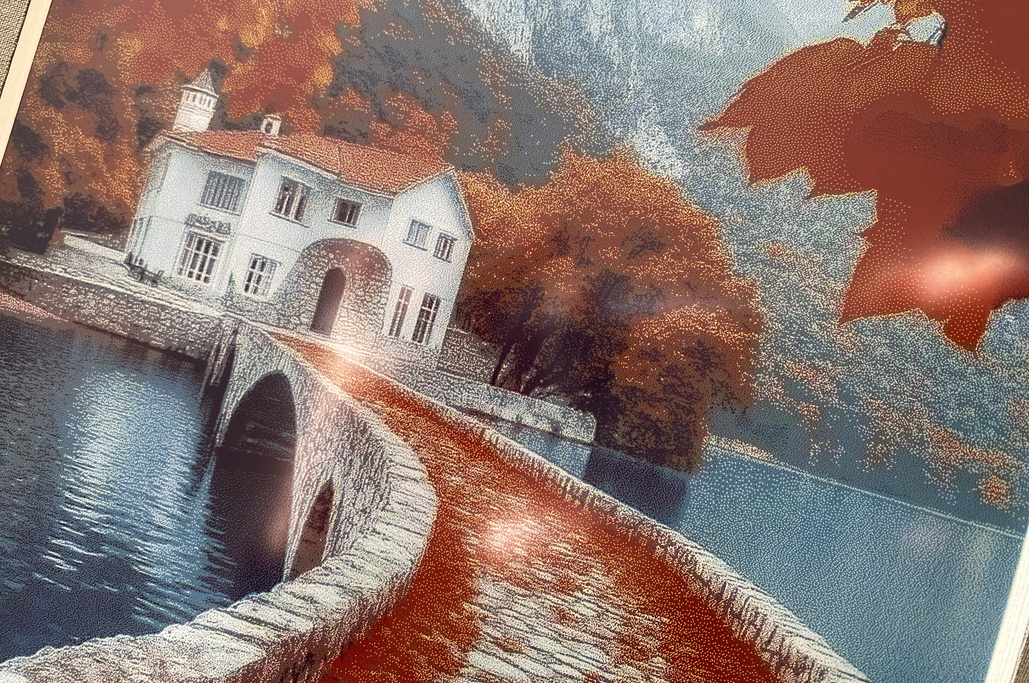
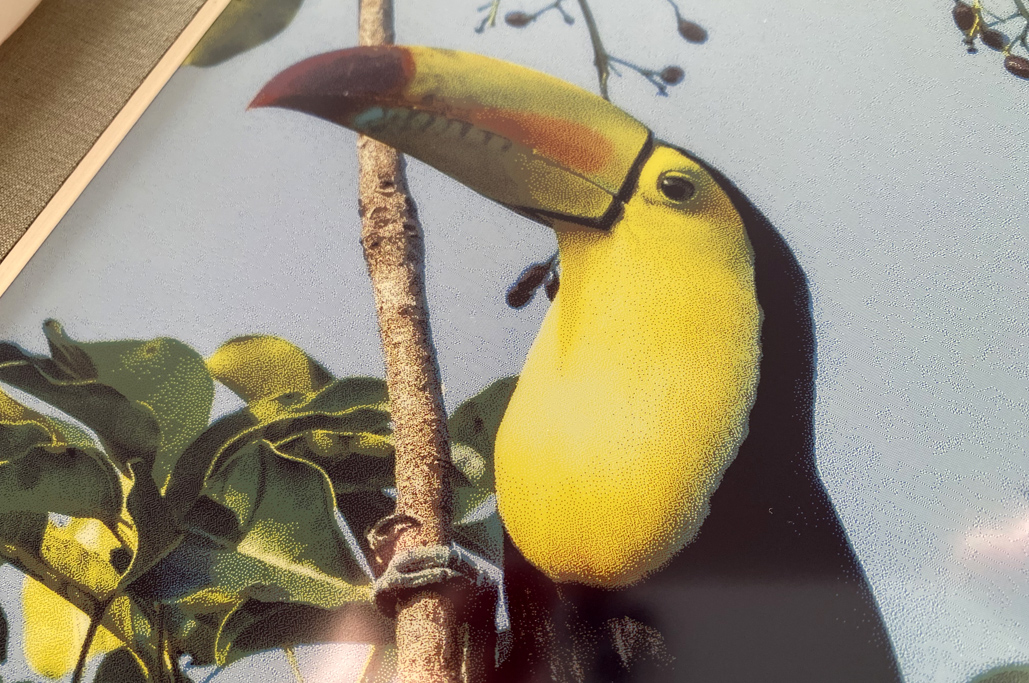
The Reflection Frame, using E Ink’s technology, currently can produce over 60,000 color combinations via dithering to simulate a wider color gamut, but it does not support full 24-bit color.
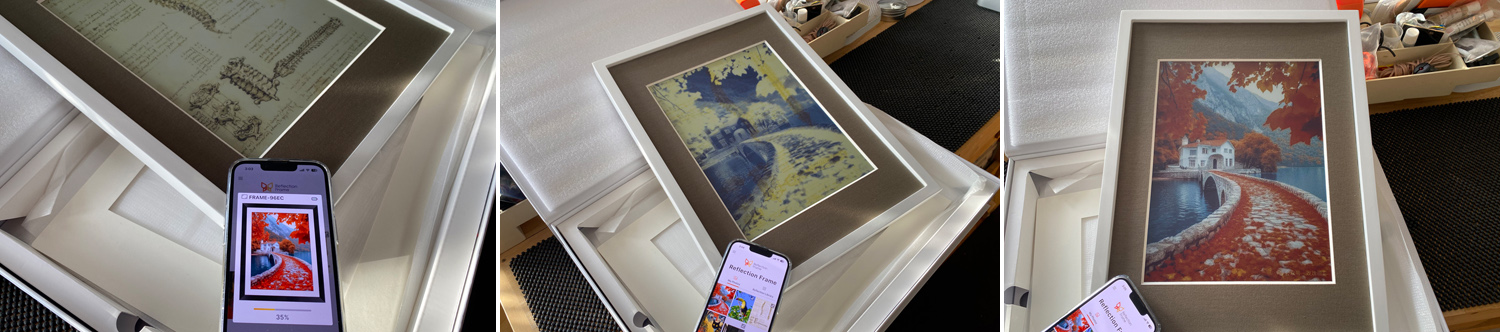
The upside, though, is the Spectra 6 tech, with its high contrast ratio of 30∶1 and 200 PP, paper-like, non-glowing, and matte appearance, is quite suitable for displaying most photos, especially when viewed at a distance.
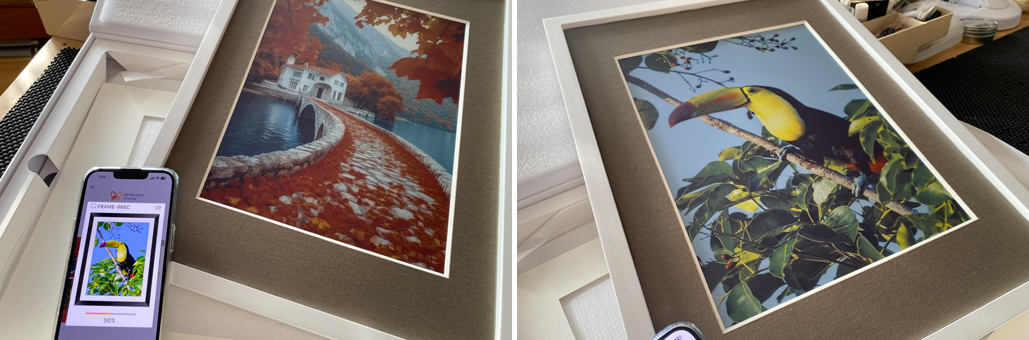
Photo Details
We are certain that, some day soon, E Ink and others will have 24-bit color capability for their ePaper. For now, dithering and other techniques are used to create the appearance of more than what is really there. The tradeoffs are sharpness, contrast, and color fidelity.
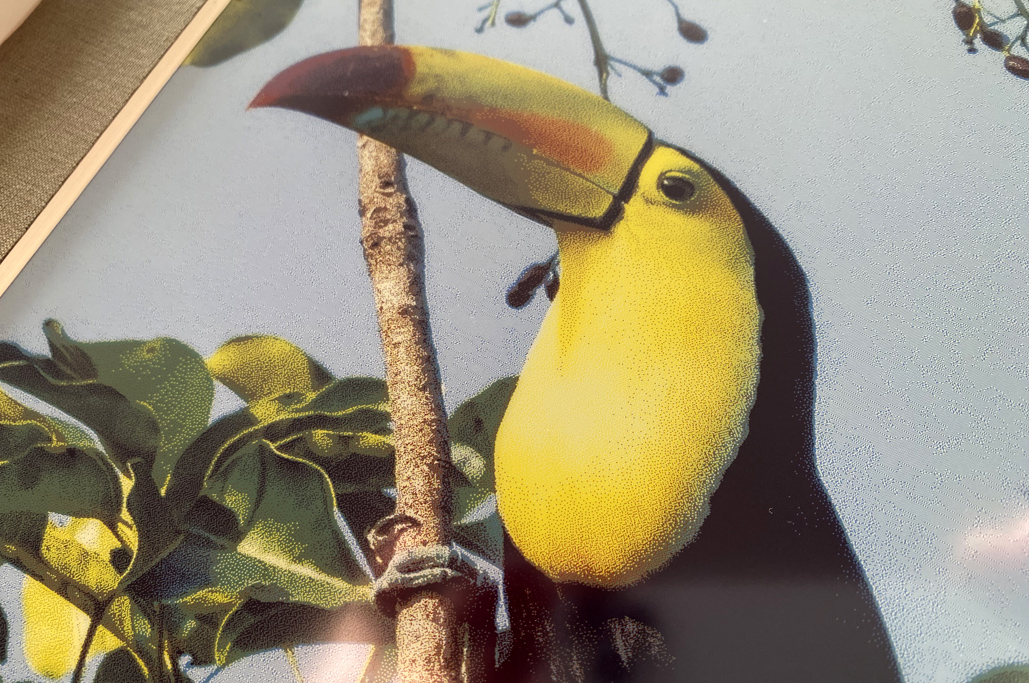
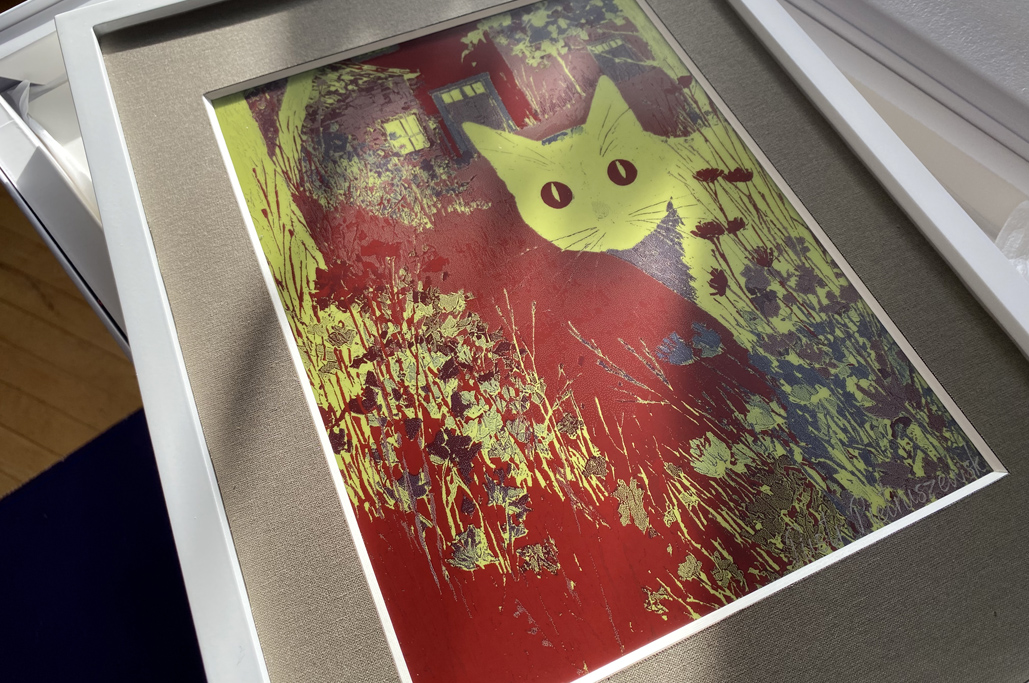
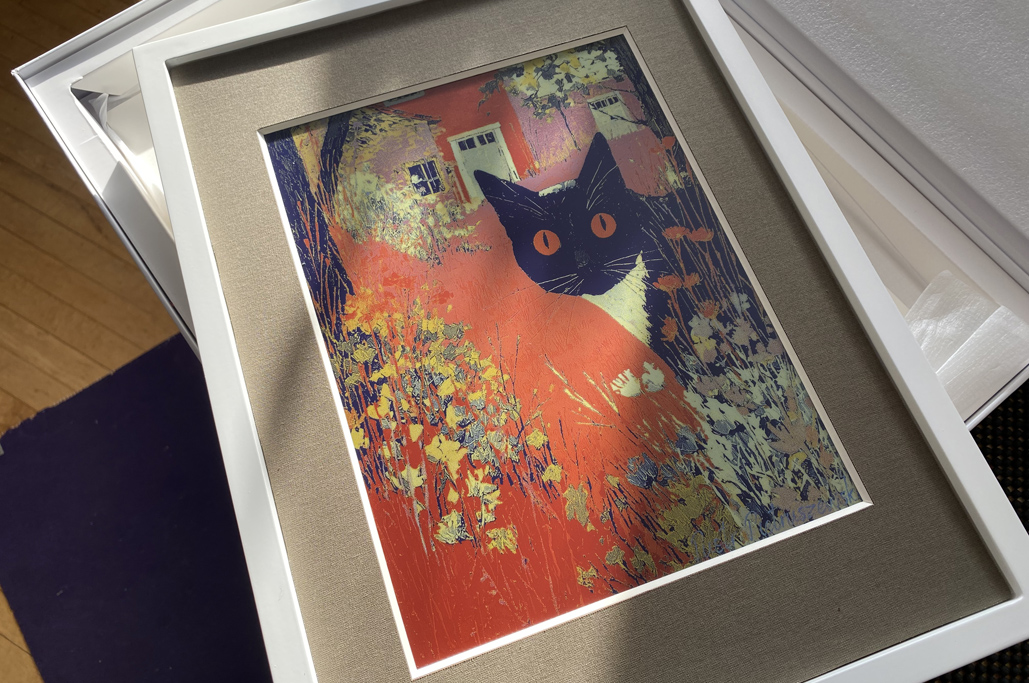
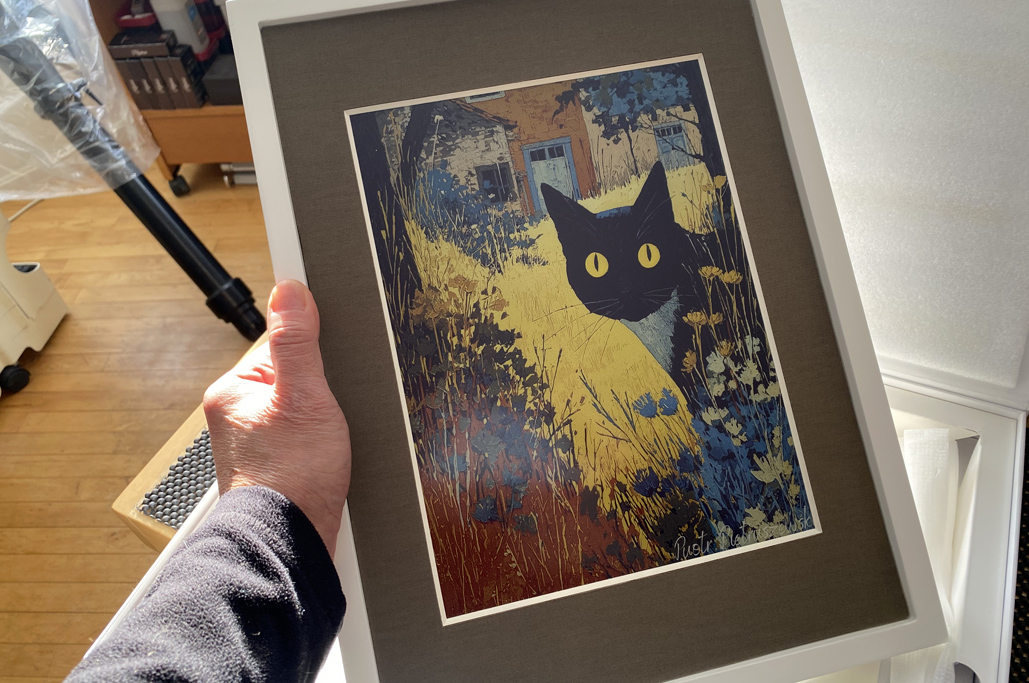
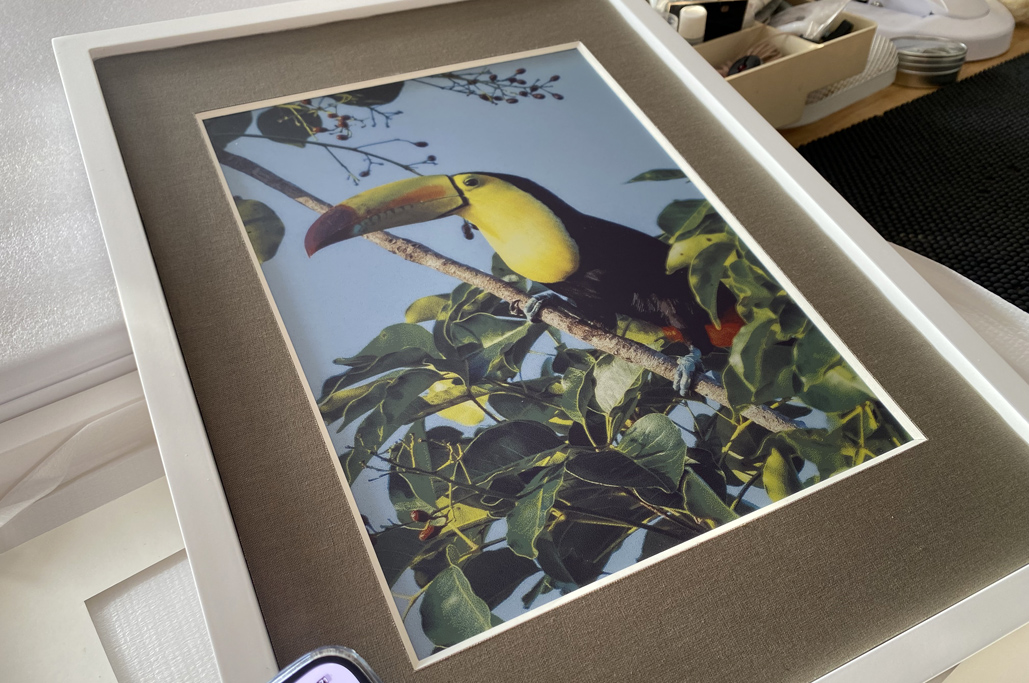
Photos, especially those with a lot of the same colors, will push the Reflection Frame to its limits. Depending on the circumstances, the tradeoffs can be very acceptable.
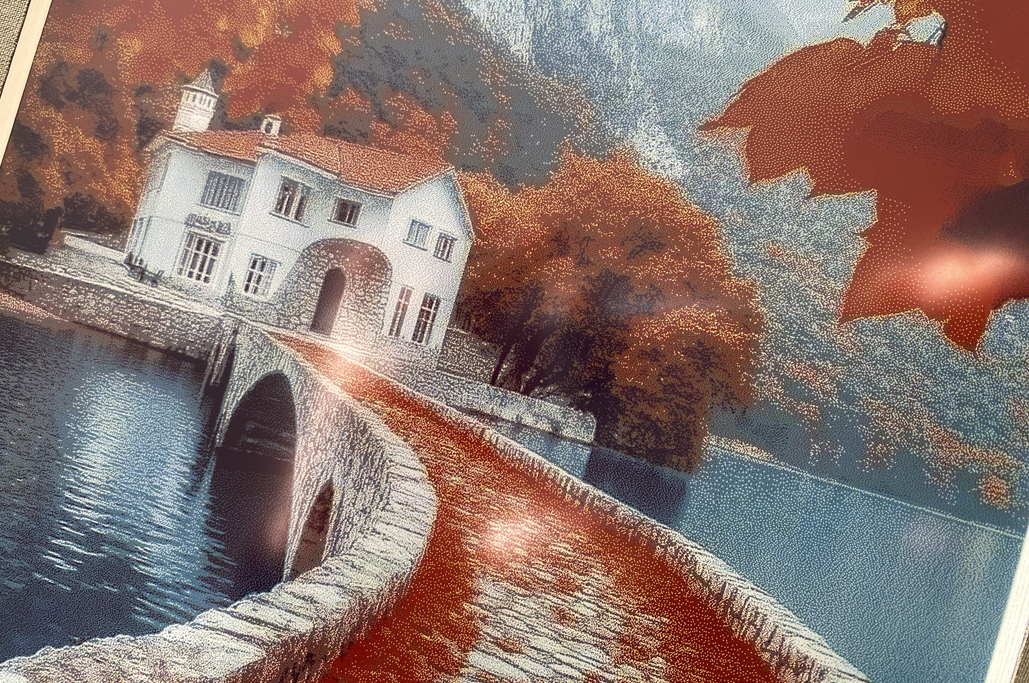
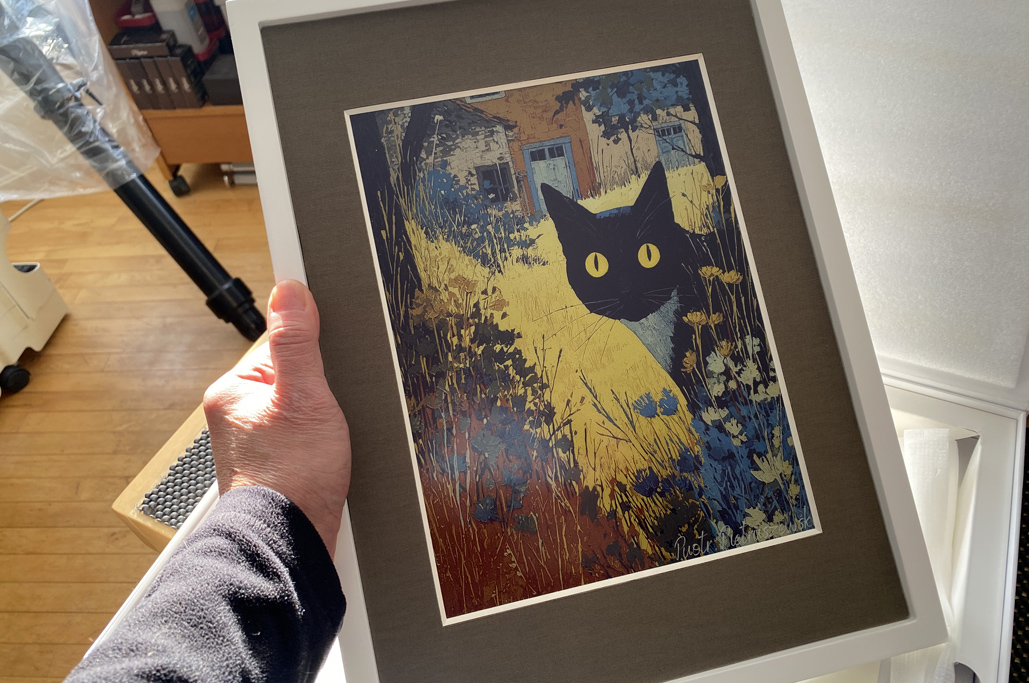
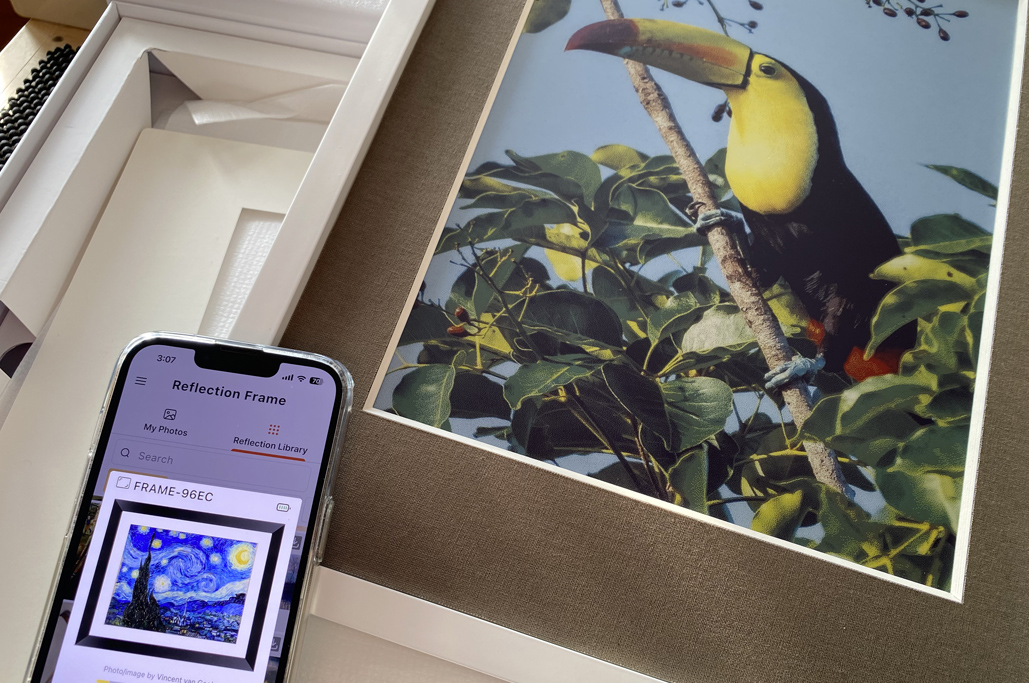
The red image above and the yellow image below show the outer boundary of what this frame is capable of. With dithering, smaller image details will not appear as sharp, and large sections with the same color may not transition smoothly. However, those flaws will only appear upon close inspection, as human vision will smooth everything out at a distance.
More Art
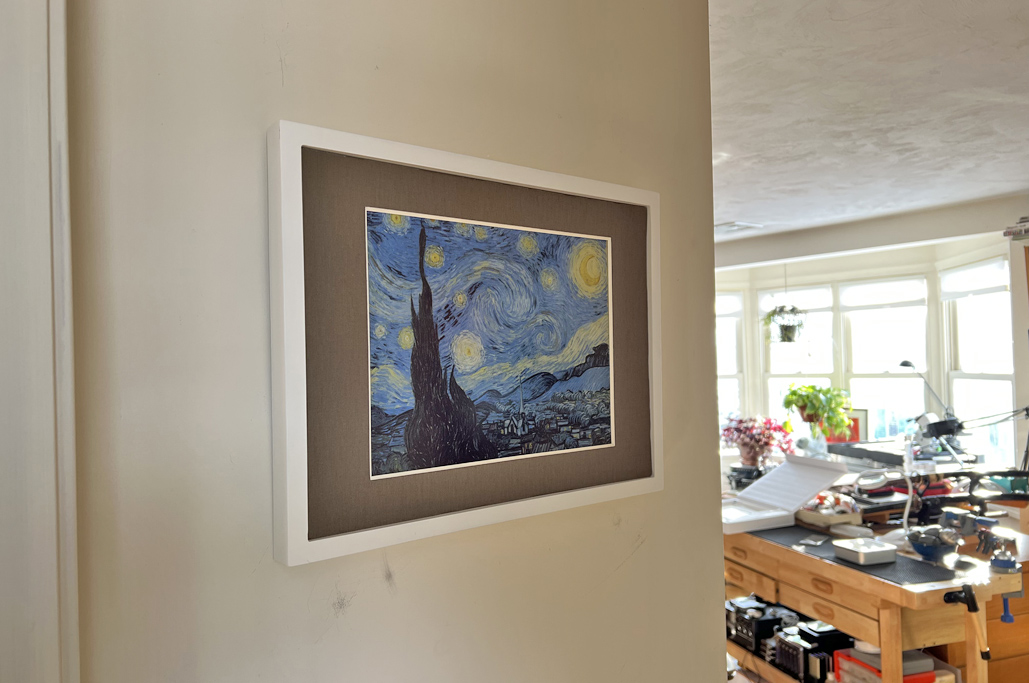
While dithering could be a problem with photos, it is less of an issue with paintings. We selected an example of a well-known painting to show what we are talking about.
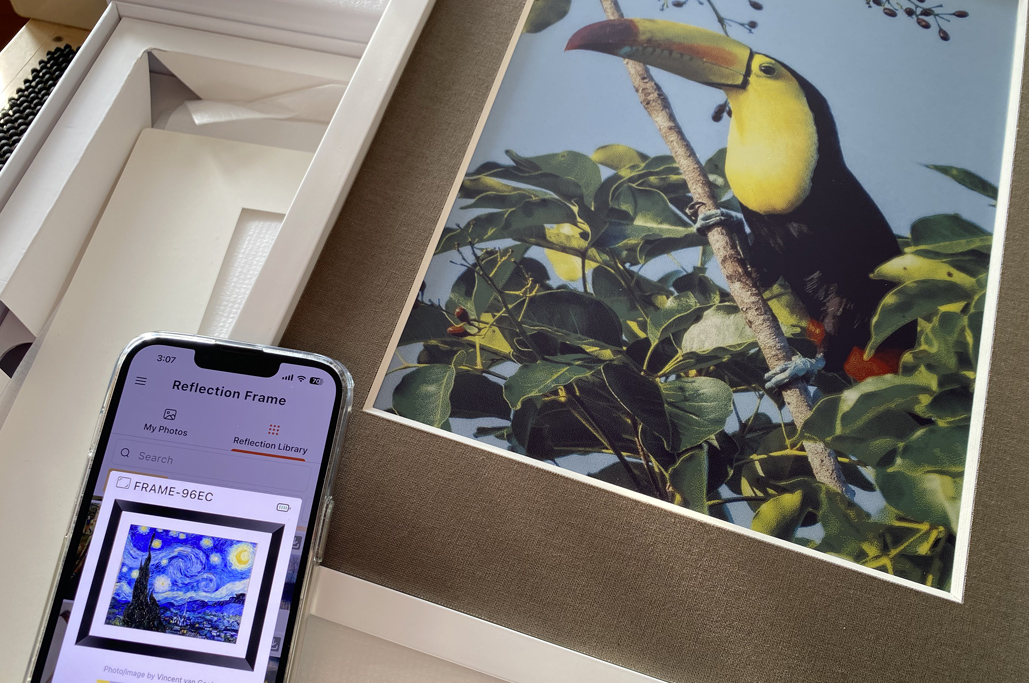
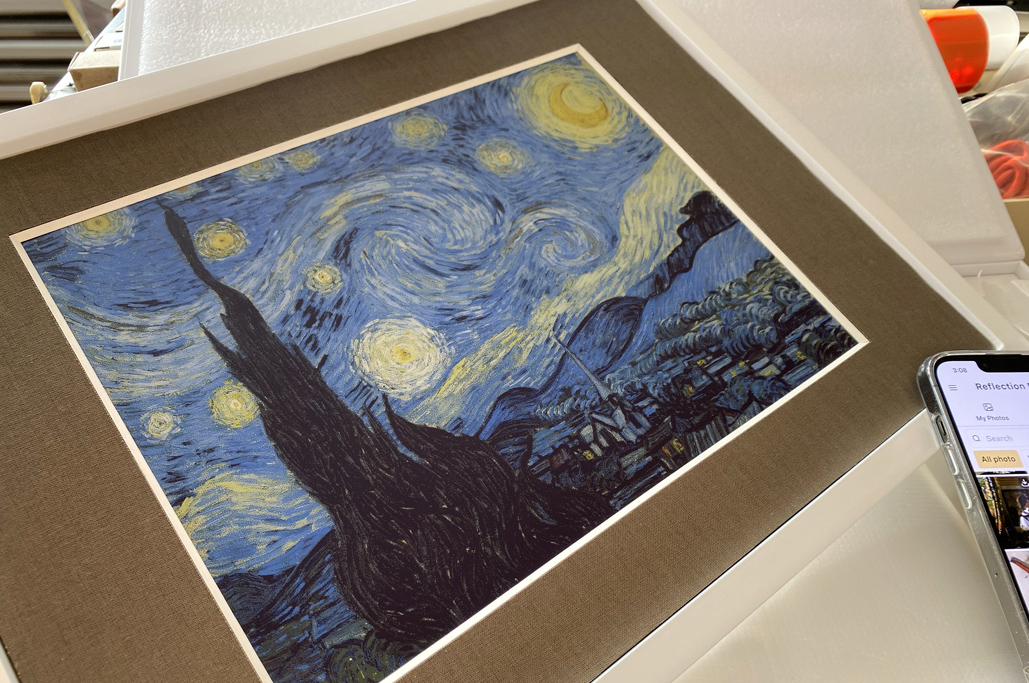
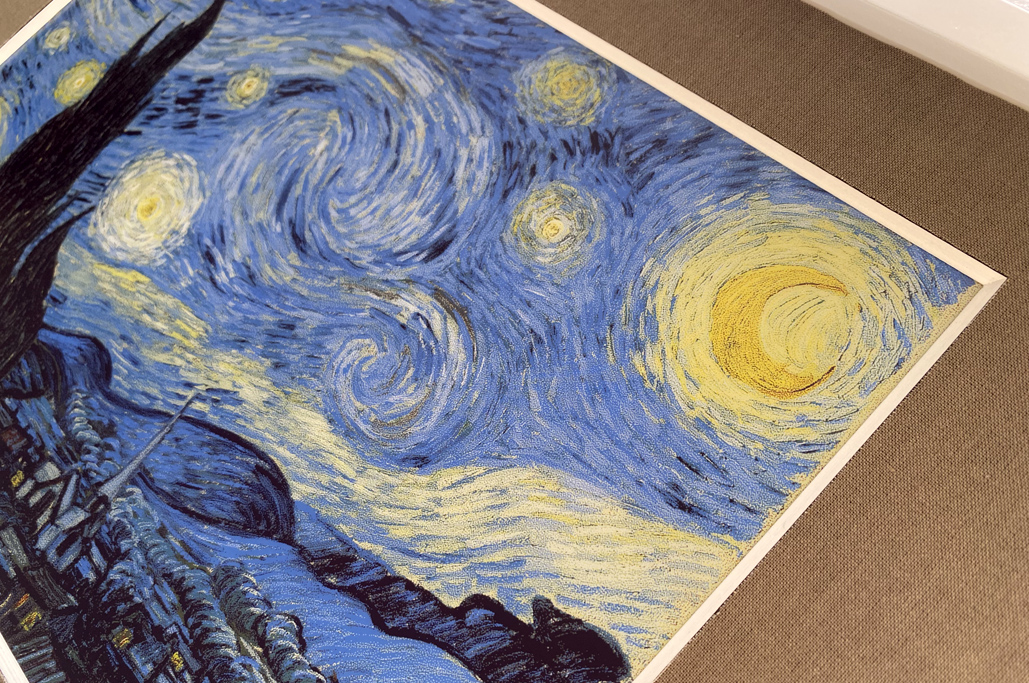
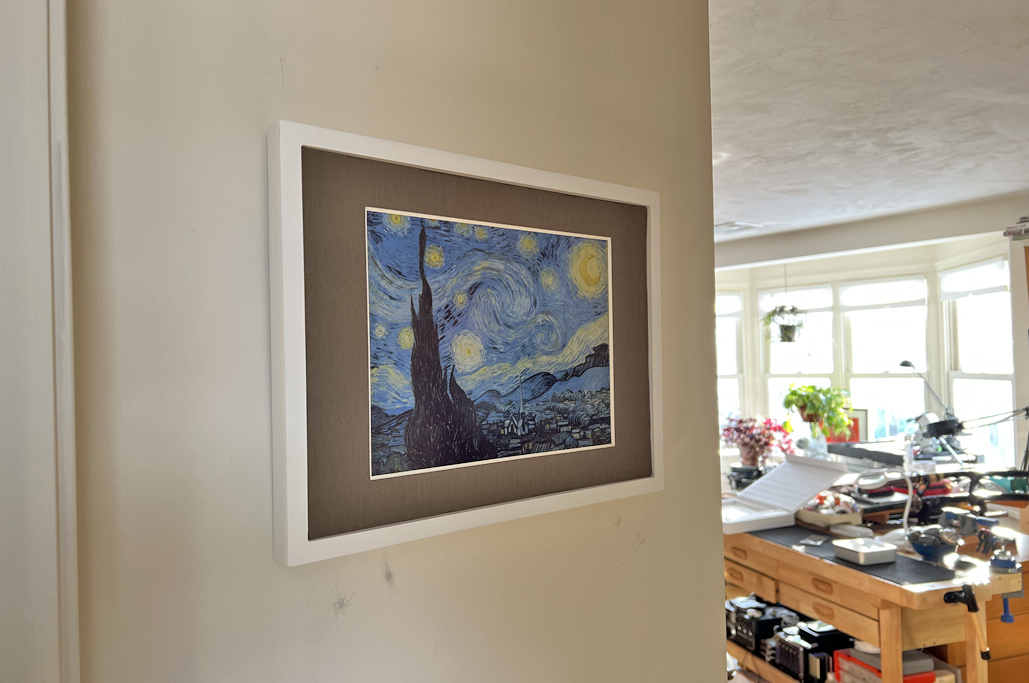
Van Gogh’s Starry Night painting has a lot of blue in it. Regardless of the limitations we had expressed, an image of it on the Reflection Frame looks really good!
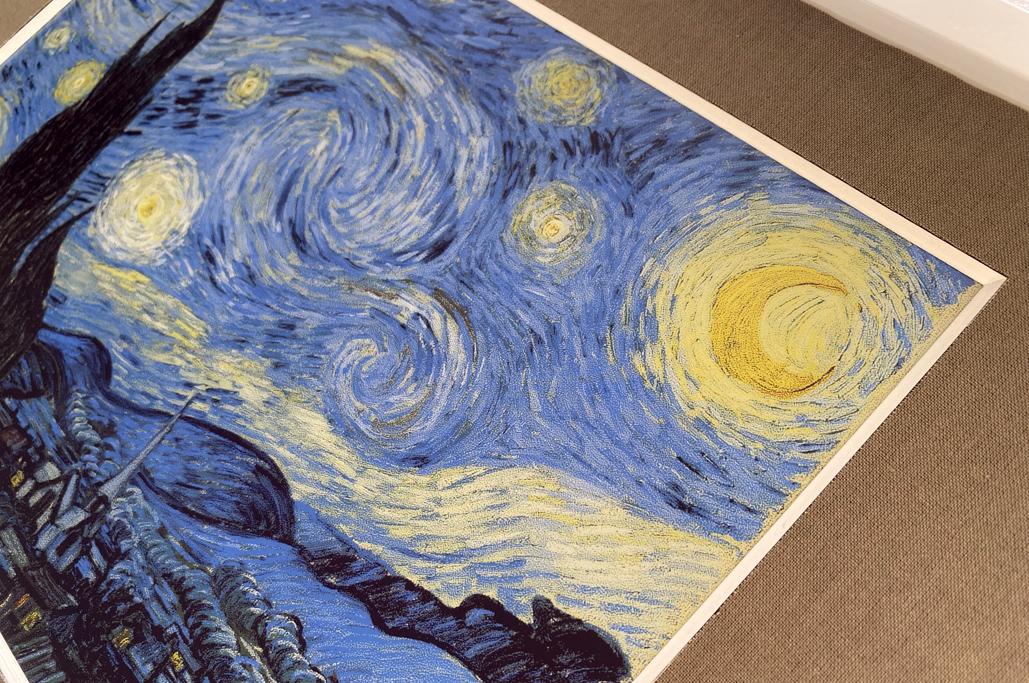
Even when we get in close, the details are still convincingly good. The dithering and other artifacts are not really that noticeable.
FinalThoughts
The Reflection Frame is good for displaying images of paintings and illustrations, but not quite ready for prime time for some photos.
The E Ink Spectra 6 display offers excellent visibility in bright sunlit rooms, something that LCD screens are terrible at. The cordless convenience makes it the ONLY option for hanging on the wall.
We are excited about the future of ePaper digital frames. The resolution and color reproduction will get better over time. At some point, it will be THE technology used in digital photo frames, and eventually for computer displays. When that time comes, laptops will run for far longer than today…like days rather than just hours longer. It is going to be amazing.
Links to items mentioned:


Leave a comment