
DIY: $200 Katana…Testing
They look like they will cut, but can we cut with them???
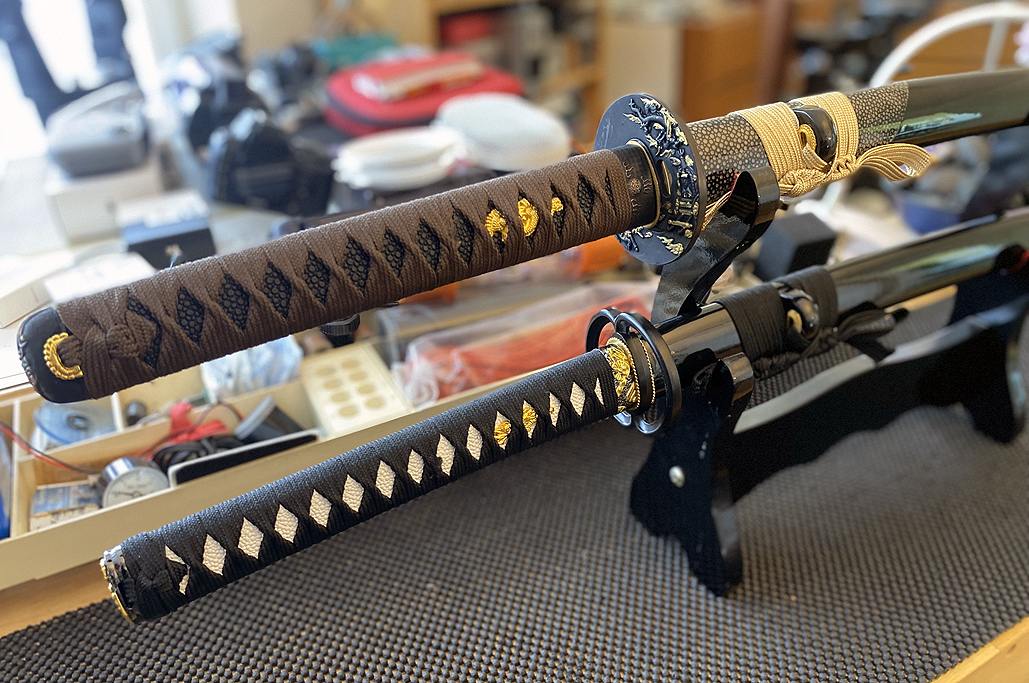
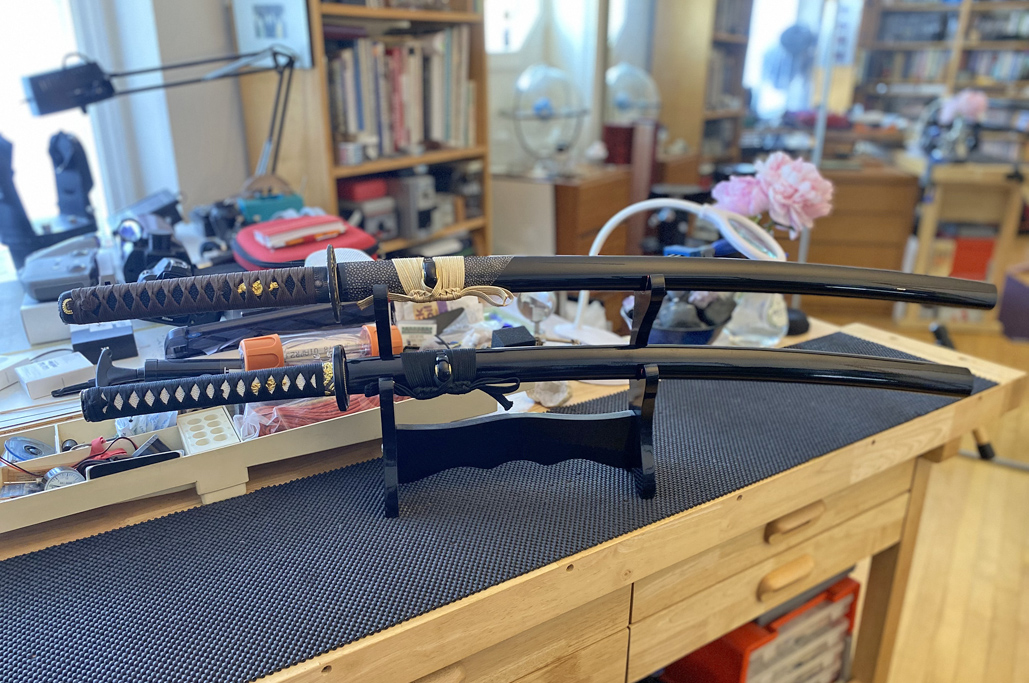
At the beginning of 2025, we started the $200 Katana Project. The goal was to see if we could assemble a high-quality katana by sourcing all the parts from China.
The project took a few twists and turns, some of them because of us, some because of things waaay above our pay grade. In the end, we managed to build not one, but two katanas with components from four separate vendors.
With the swords now built, it is time to see whether we can cut with them, and if so, how well.
Disclaimer: While we have studied martial arts for several decades, we DO NOT claim to be a master at Japanese swordsmanship by any means.
Katanas
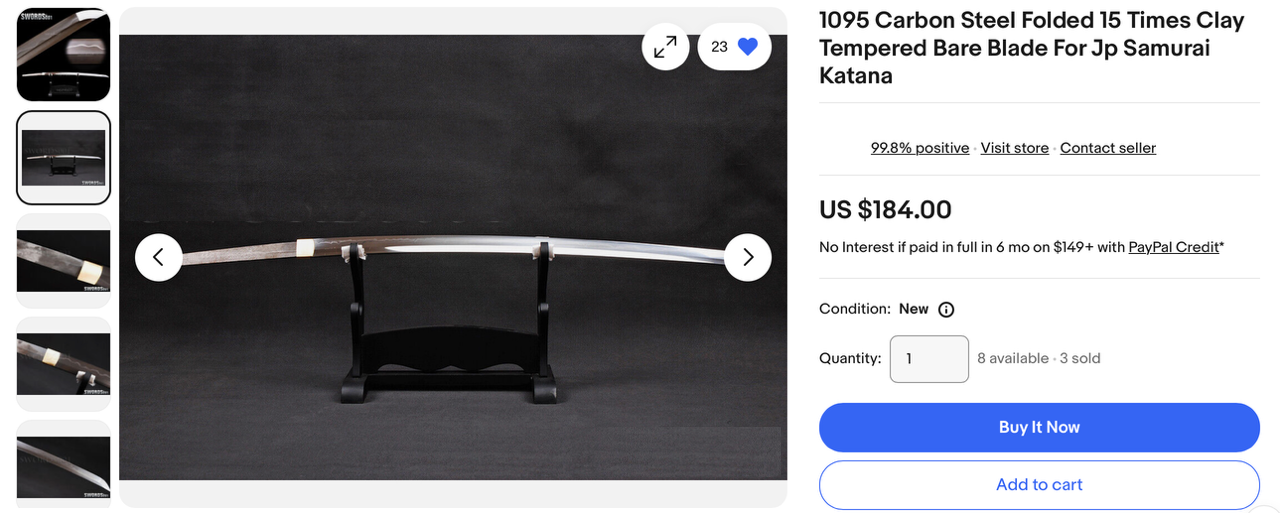
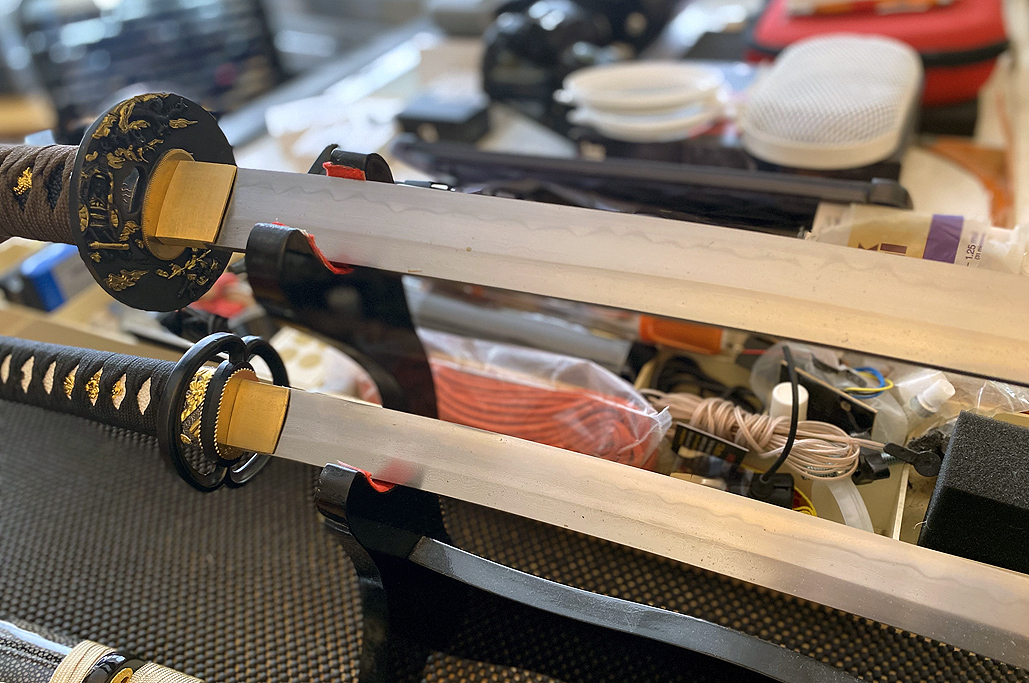
The naked blades we purchased were each made from a different kind of steel (T10 or 1095), but the supplier didn’t label them, so we couldn’t tell which was which, or even if they were different…buying on eBay is like that 🙂
It would have been helpful to know, as there are two camps of thought on the matter:
- Camp Same – They are so close together that it makes no noticeable difference
- Camp Different – The tungsten in the T10 blade makes it far superior

T10 steel is a high-carbon steel, typically containing 1.0% carbon, and includes tungsten as a key alloying element. It also has silicon, which contributes to its hardness and edge retention.
1095 steel is also a high-carbon steel. The “95” in 1095 indicates a carbon content of approximately 0.95%, which is crucial for achieving its hardness and ability to hold a sharp edge.

Regardless of which is which, both blades have been folded, clay-hardened, and show a nice hamon. Perhaps it is not important if they are different; our interest in the testing is twofold: whether we can discern any difference, and if we can, do they matter?
Mats
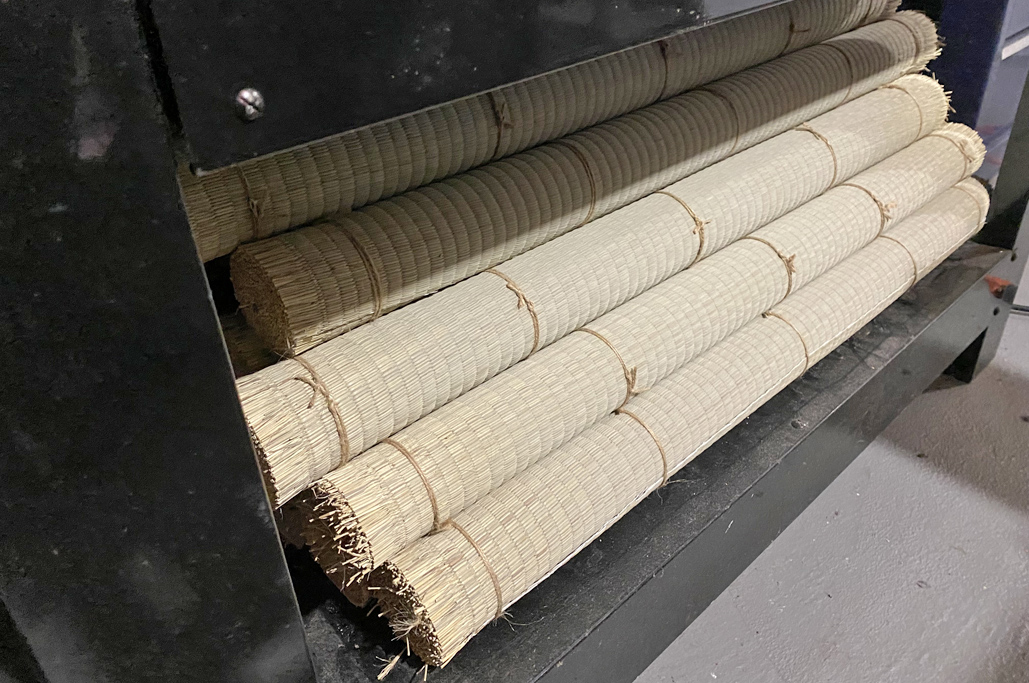
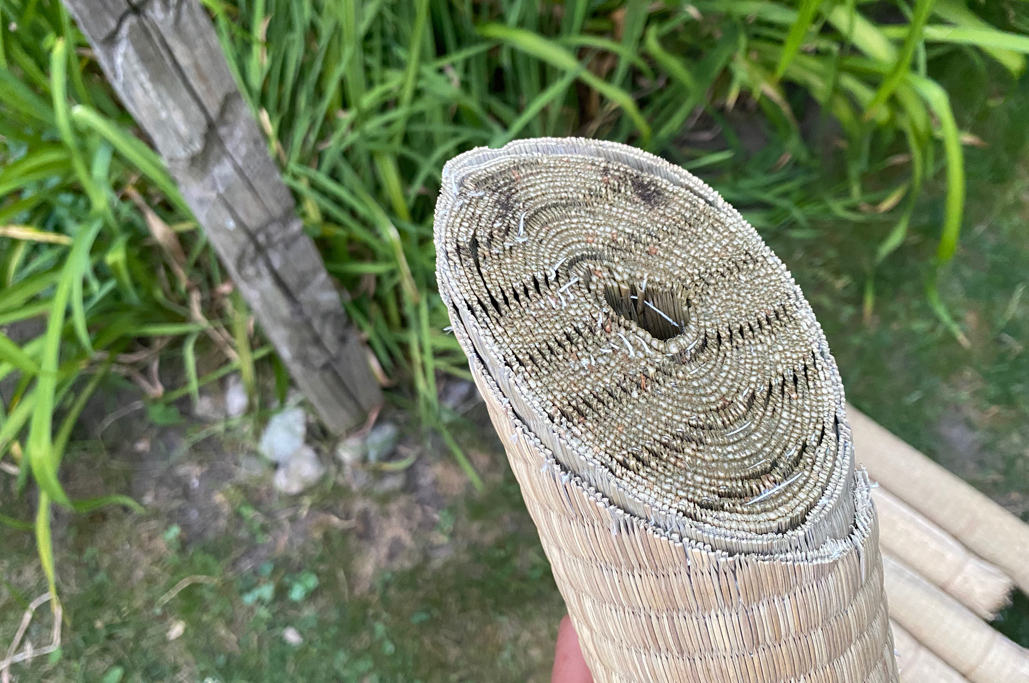
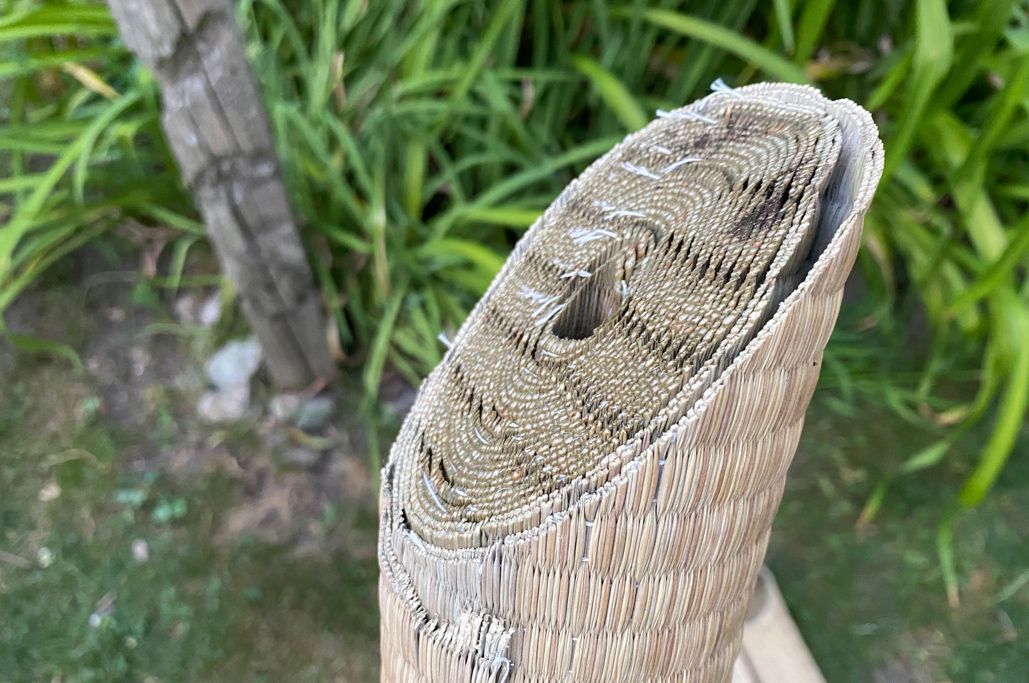
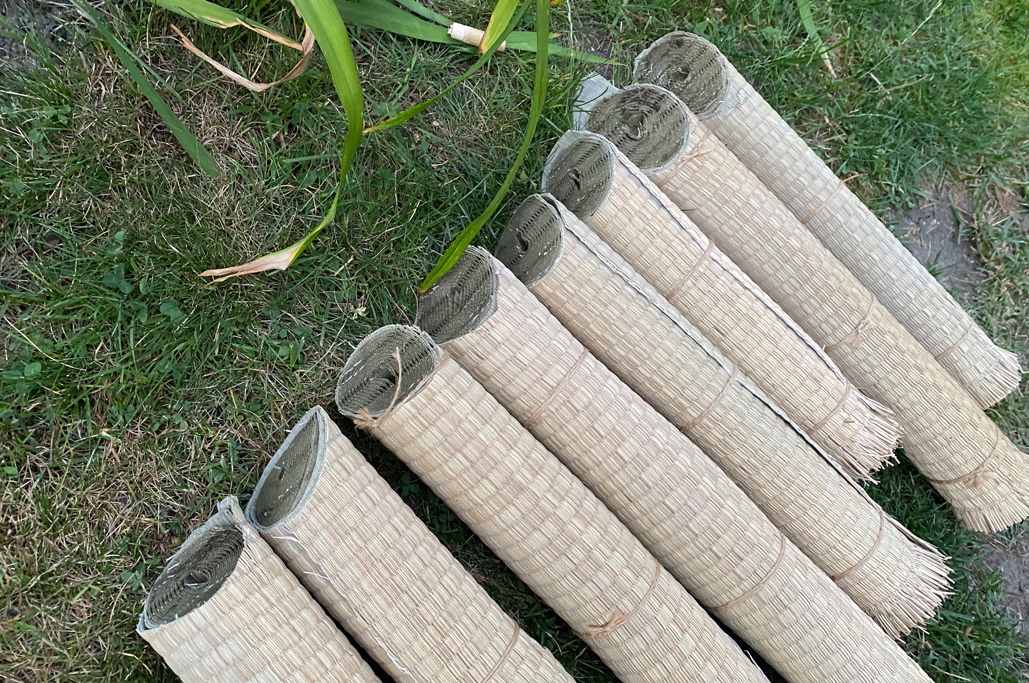
We had rolled up a whole bunch of mats for cutting a while back, but tucked a few away so we would have them on hand for testing whenever we needed. Four rolls should be sufficient for us to get a feel, but we had more if required..

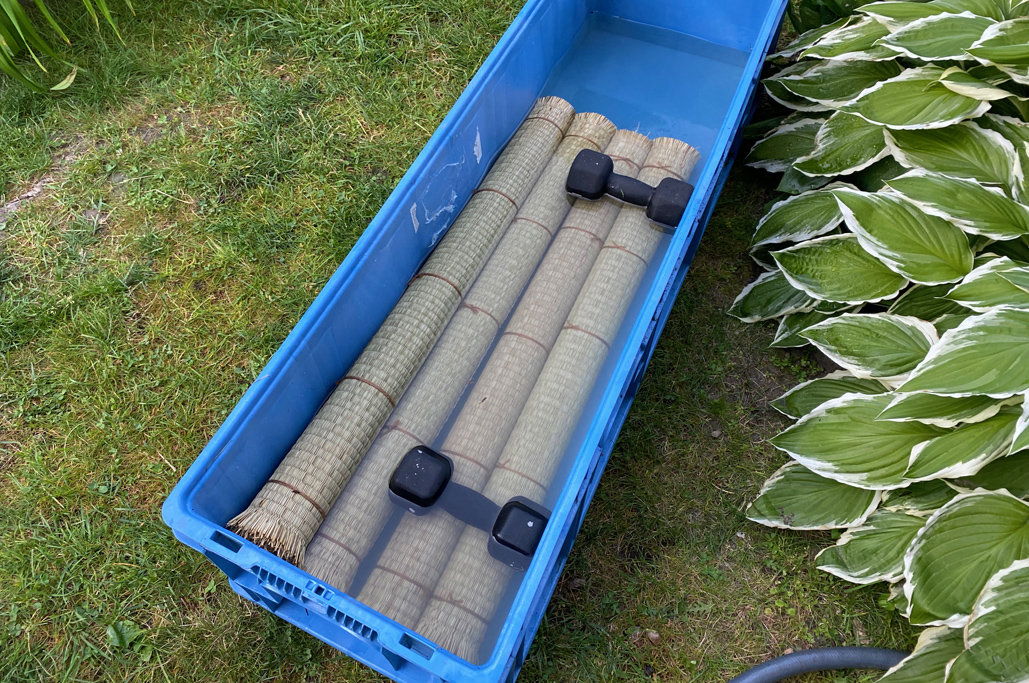
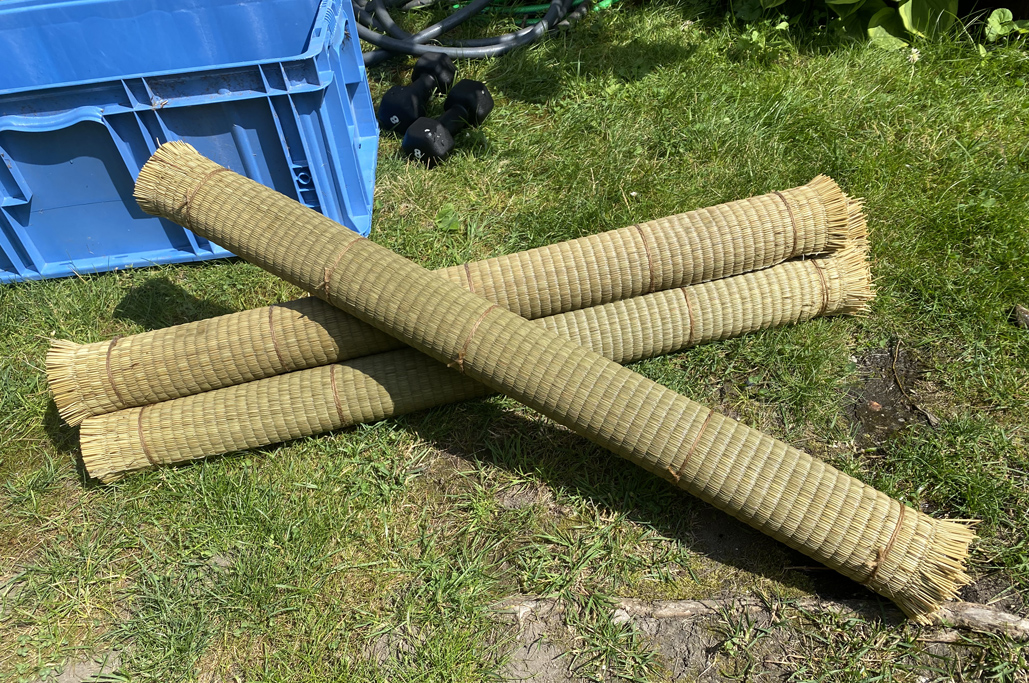
We used to do the cutting inside, but there is less of a mess when performed outside. The same is true of prepping the mats. The grassy aroma of the tatami rolls can be pungent, and best when not trapped indoors, especially when it is 95º out. Also, the tub of water is much easier to manage when emptying it means just tipping it over on the lawn 🙂

Tests
The tatami rolls were prepped last week, but we didn’t get around to the test cutting because of the heat wave. Once the oppressive heat disappeared, we set things up and got down to business.
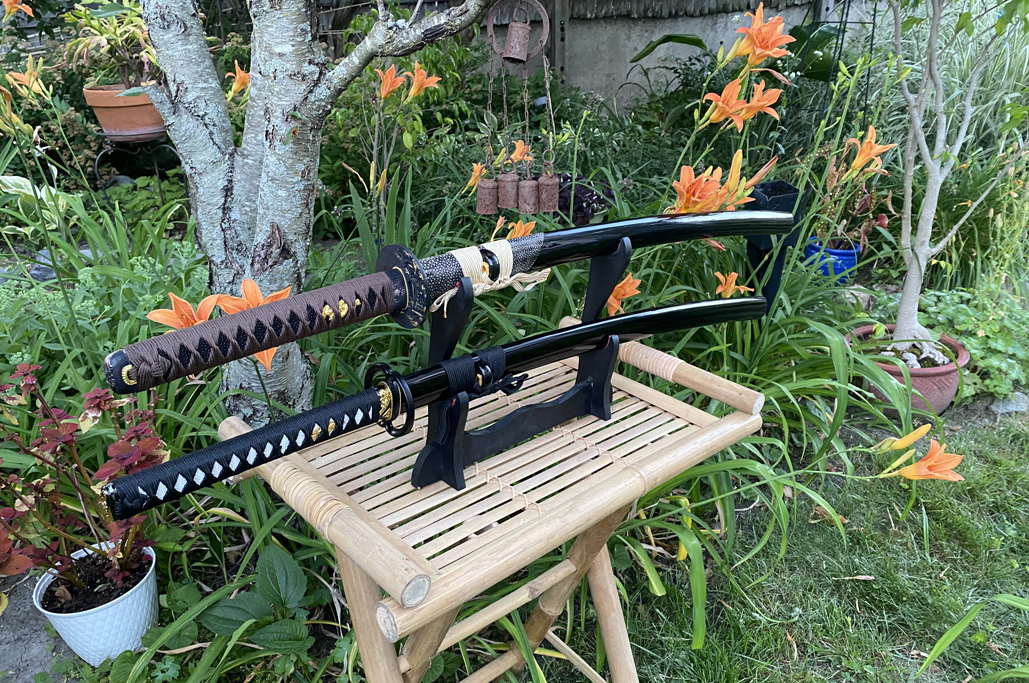
The temperature was a comfortable 80º at 8 PM, and we were able to get the testing done before it got any darker. The TL:DR version is both katanas cut equally nicely (Dragon, Musashi)!!!

- Practice
- Dragon : TestCut #1, TestCut#2
- Musashi : TestCut #1, TestCut#2
The katanas felt balanced, were easy to control, and we detected no resistance during the cuts. We did four cuts, and they were all “clean.”

FinalThoughts
When we started this project, we had no idea where it would lead: could we hit our price target, would we get good value for our money, would all the parts fit? And finally, how would the katana perform?
The answers to the first three questions are “Yes!” and were discussed in detail in previous posts. Now that both katanas have been assembled, the last question of whether we can cut with them is now answered.
What is next? We have a few ideas…refinements such as polishing and sharpening are being considered, trying different cutting sequences is definitely on the list, and there is even talk of modifying one of the blades by putting in a bo-hi. RainyDayReaders with suggestions should feel free to send them in!!!
Links to items mentioned:



Leave a comment